

Share on
Whether you're launching a subscription-based product or scaling an established SaaS business, your payment infrastructure decision shapes your revenue operations more than almost any other. The right payment solution keeps customers happy, reduces churn from failed transactions, and handles the unglamorous complexity of tax compliance so you don't have to.
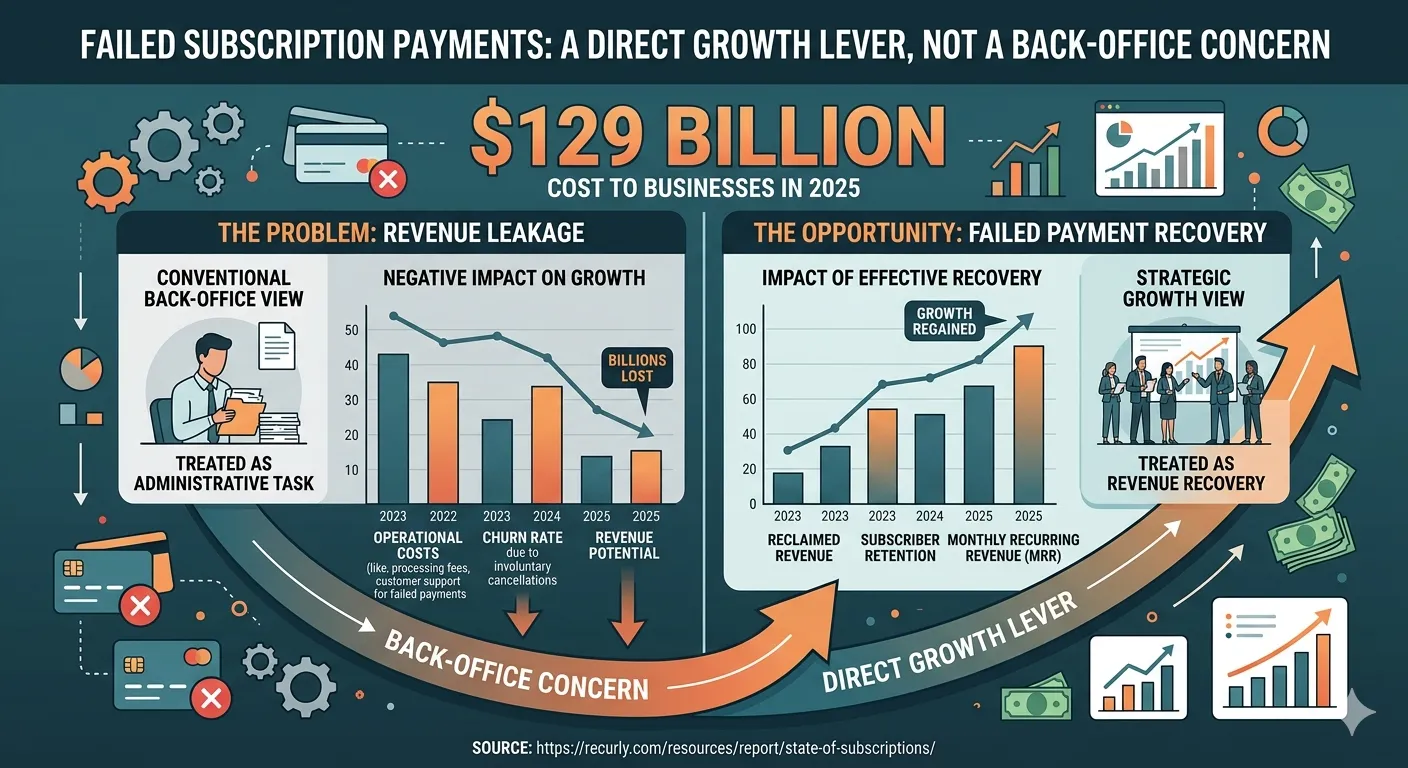
Failed subscription payments cost businesses $129 billion in 2025 — making it a direct growth lever, not a back-office concern. In this guide, we'll explore the challenges SaaS businesses face, the capabilities to look for in a payment platform, and how the right payment infrastructure can support global subscription growth.
What Is SaaS Payment Processing?
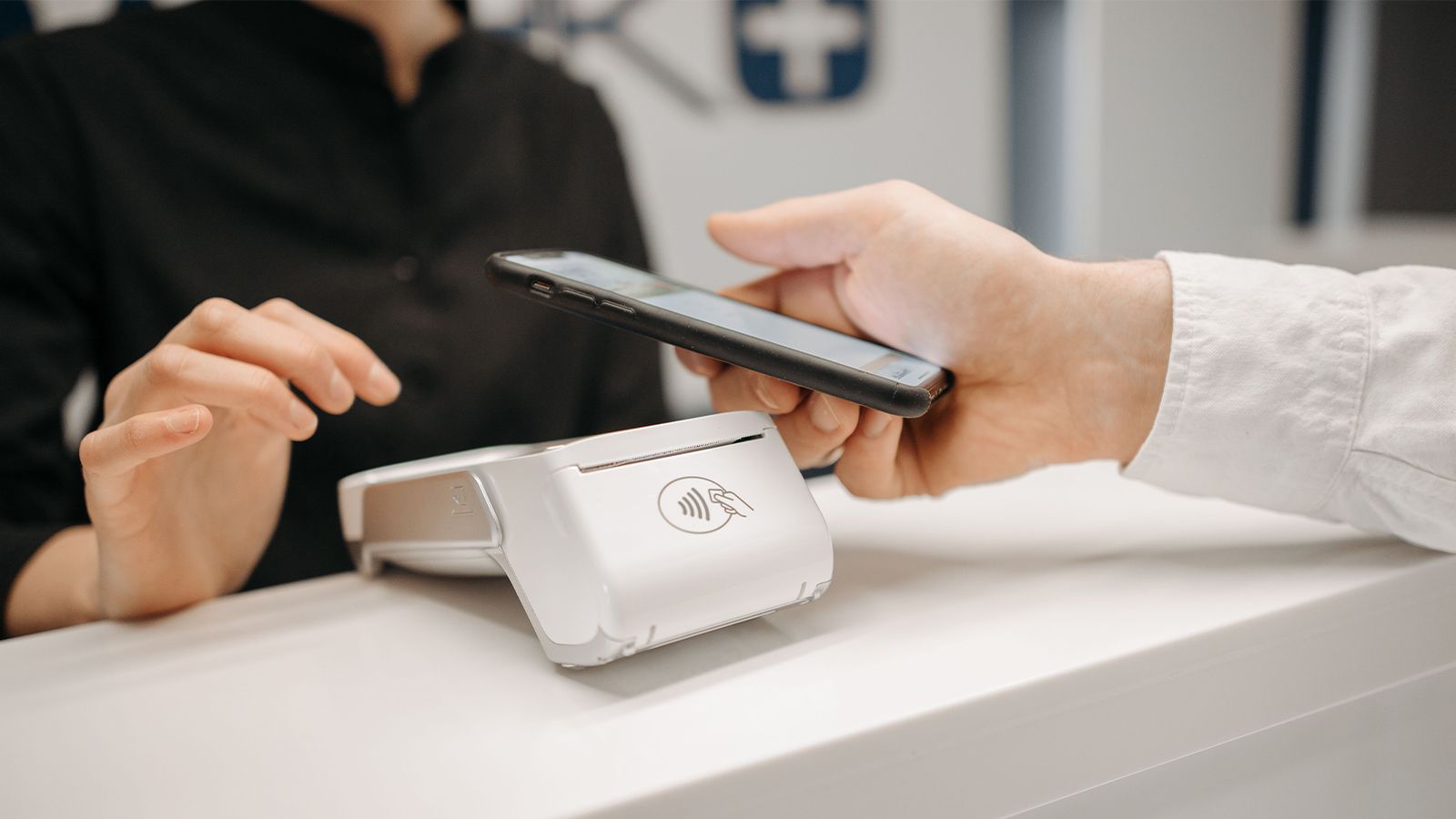
SaaS payment processing refers to the infrastructure that enables subscription-based software businesses to collect, manage, and reconcile payments from customers regularly, across multiple currencies and geographies.
Unlike traditional e-commerce transactions, SaaS payments involve recurring billing relationships that continue for months or years. Payment systems must support automated renewals, subscription upgrades, usage-based billing, failed payment recovery, and international transactions.
For example, a SaaS company based in the UK may sell subscriptions to customers in Singapore, Germany, Brazil, and Australia. Each customer may prefer different payment methods, currencies, and billing preferences.
A SaaS payment solution helps businesses manage these complexities through a single payment infrastructure.
Why SaaS Businesses Need Purpose-Built Payment Infrastructure
Many SaaS businesses begin with basic payment processing tools. As they expand internationally, payment operations often become a barrier to growth.
Customers expect localised experiences. Finance teams need visibility into recurring revenue. Engineering teams need reliable APIs. Meanwhile, business leaders want higher payment acceptance rates and lower churn.
A purpose-built SaaS payment solution helps address these requirements while reducing operational complexity.
Common SaaS Payment Challenges
Understanding where revenue leaks before choosing a platform is essential. These are the challenges that affect SaaS businesses most acutely:
Managing Recurring Billing at Scale
Recurring billing appears simple on the surface but becomes increasingly complex as subscription models evolve.
Businesses often need to support:
- Monthly and annual subscriptions
- Usage-based pricing
- Tiered plans
- Seat-based billing
- Free trials and promotional pricing
- Mid-cycle upgrades and downgrades
Without the right infrastructure, managing these scenarios can become operationally intensive.
Expanding Across Borders
International growth introduces new payment challenges.
Customers in different regions prefer different payment methods. While cards may dominate in some markets, digital wallets, bank transfers, QR payments, and Buy Now, Pay Later options are often preferred elsewhere.
A lack of local payment options can reduce conversion rates and increase cart abandonment.
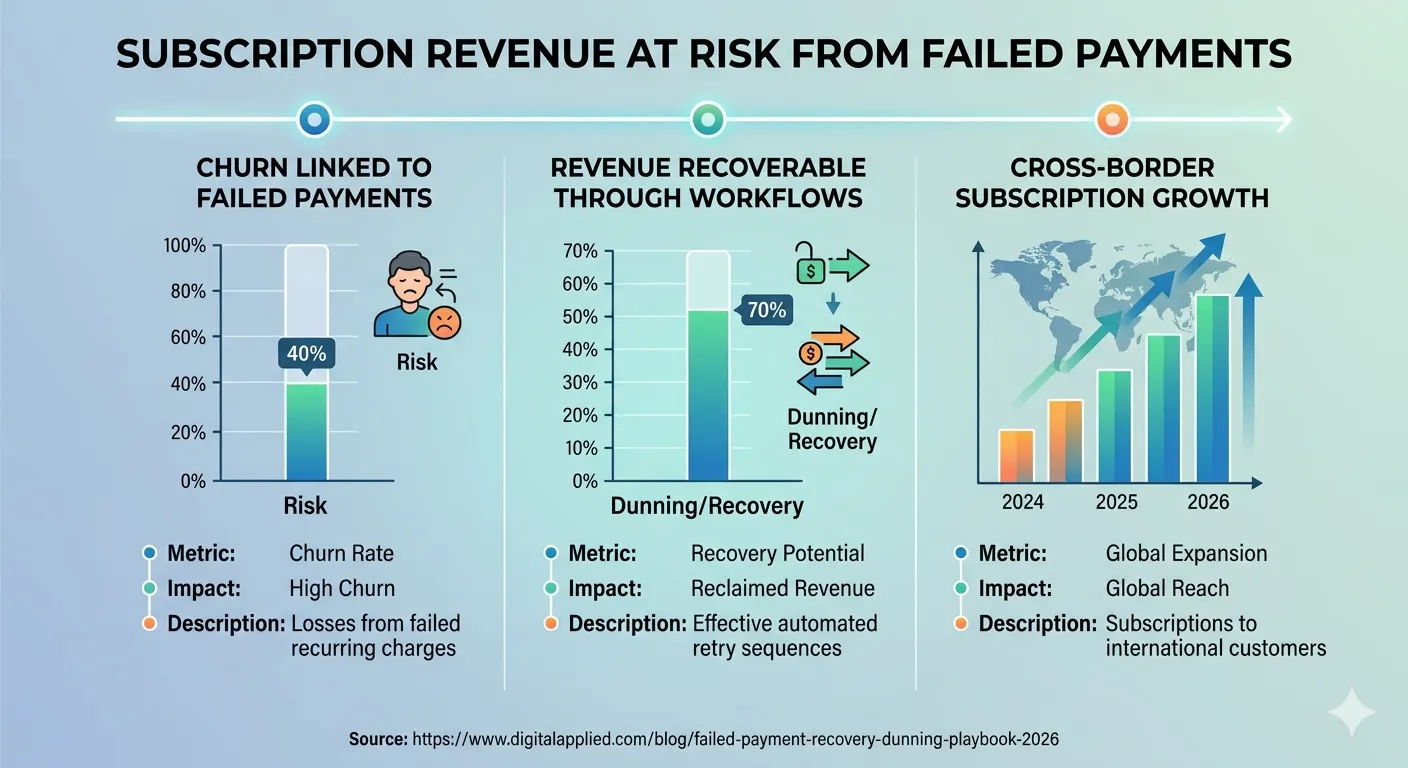
Failed Payments and Involuntary Churn
Expired cards, insufficient funds, and network issues can all cause subscription payments to fail.
Without intelligent retry logic and recovery workflows, businesses may lose customers who never intended to cancel their subscriptions.
Fraud and Compliance Risks
SaaS businesses must also navigate fraud prevention, PCI DSS requirements, data protection regulations, and regional compliance obligations. As transaction volumes increase, these risks become more significant.
Key Capabilities of a SaaS Payment System
When evaluating payment infrastructure, these are the capabilities that directly affect revenue, retention, and scalability:
Smart recurring billing. Automated invoice generation, trial-to-paid conversion, mid-cycle proration, and plan change logic must work reliably at scale. Weak billing logic creates revenue leakage and manual reconciliation overhead.
Multi-currency pricing and settlement. Charging customers in their local currency increases conversion and reduces friction. Settling in multiple currencies with transparent FX rates protects margins. These are distinct capabilities — both matter.
Local payment method support. Supporting local payment methods allows businesses to align with customer preferences in each market and improve payment success rates. Digital wallets, online banking transfers, and Buy Now Pay Later options are expected by customers in many markets, not optional extras.
AI-powered fraud and risk management. Precision fraud detection reduces both fraudulent transactions and costly false declines. Real-time risk decisioning, trained on large transaction datasets, is what separates sophisticated risk management from blunt rule-based blocking.
Developer-friendly integration. APIs, SDKs, webhooks, and a pre-built checkout reduce time-to-live and ongoing maintenance burden. For growing engineering teams, integration quality is an operational cost as much as a technical consideration.
How to Choose the Right SaaS Payment Solution?
Start with your geography. Where are your customers today, and where are you planning to expand in the next 18 months? Payment method support and local acquiring relationships directly affect authorisation rates. A platform optimised for the US market may quietly underperform in Asia-Pacific or MENA.
Assess your pricing model complexity. Usage-based billing, seat-based pricing, tiered plans, and hybrid models each require different billing logic. Not every platform handles all of them elegantly. Map your pricing model first, then filter.
Consider who owns the merchant of record. Merchant of Record (MoR) platforms like Paddle act as the seller of record, handling all tax liability and compliance on your behalf. This is enormously valuable for lean teams. However, it comes with less control over the checkout experience and transaction fees.
Calculate the real cost. Per-transaction fees, monthly platform fees, currency conversion charges, and payout fees add up differently at different revenue scales. Run the numbers at your current volume and projected 12-month volume before signing anything.
Evaluate integration depth. Consider your existing CRM, ERP, support tools, and analytics stack. A payment solution that integrates natively with Salesforce, HubSpot, or your data warehouse saves weeks of custom engineering.
Consider localisation capabilities. Localisation extends beyond language and currency. Businesses should evaluate whether a payment provider supports local acquiring, region-specific payment methods, local settlement options, and market-specific checkout experiences.
Providers with strong localisation capabilities can help improve authorisation rates, reduce checkout abandonment, and create a more familiar purchasing experience for customers in different regions.
How Antom Supports Global SaaS Growth?
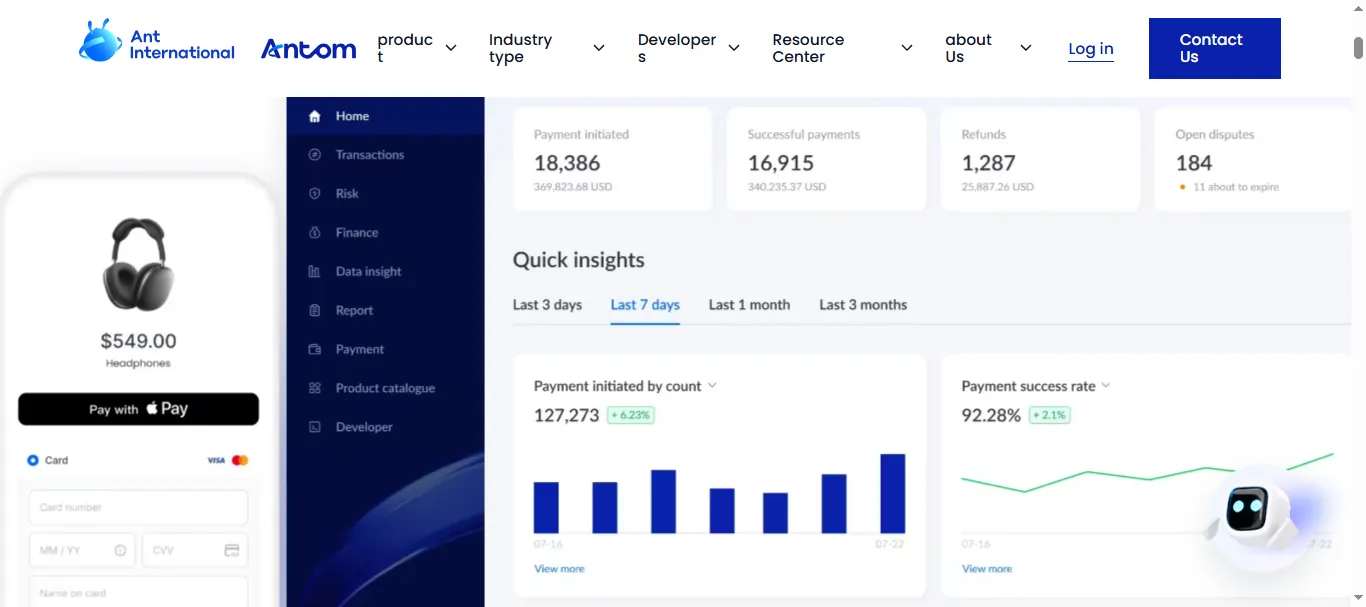
For SaaS businesses with cross-border ambitions, particularly in Asia-Pacific, Latin America, and other emerging markets, Antom is built to address the specific infrastructure gaps that general-purpose processors leave open.
For SaaS-specific needs, Antom provides:
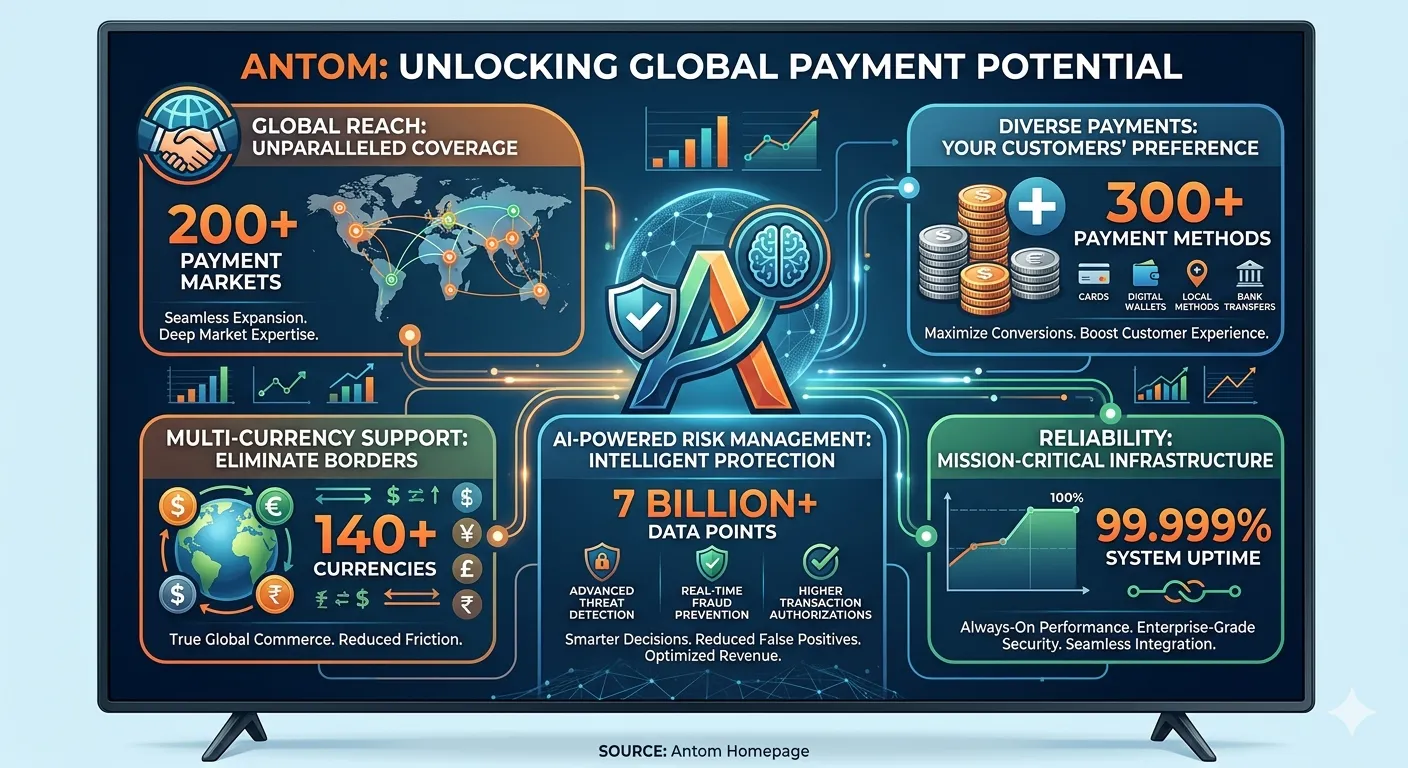
- Massive Local Network: Connects to 300+ payment methods — including debit and credit cards, digital wallets, online banking, and Buy Now Pay Later — across 200+ payment markets through a single API.
- Global Currency Support: Allows SaaS businesses to price and settle transactions in 140+ currencies.
- Enterprise-Grade Reliability: Operates at 99.999% system uptime to ensure checkouts are always active.
- Smart Routing Engine: Boosts payment success rates by an average of 5 percentage points using intelligent pathways, whilst cutting transaction development costs by 70% and improving reconciliation efficiency by 90%.
- Promotional Reach: Connects your business to 250 million+ mobile payment users across 10+ markets and 20+ mobile platforms.
- AI-Powered Risk Management: Secures transactions using 100% real-time decisions trained on over 7 billion data points, delivering a 55% improvement in risk coverage.
- Antom for Developers: Provides unified payment APIs, a pre-built checkout page, and customisable SDKs so your engineering team can skip complex global network setups and go live faster.
Antom’s key advantages
One of Antom's key advantages is its ability to simplify payment localisation through a single integration. Rather than building and maintaining separate connections for multiple payment providers, businesses can access hundreds of local payment methods, support multiple currencies, and optimise payment performance through a unified platform. This can help reduce development complexity while supporting faster international expansion.
Pricing
Antom uses a customised pricing structure tailored to each merchant's specific business scenario. Your rate is calculated based on merchant registration region and target markets, the specific payment methods used at checkout, monthly transaction volume and average ticket size, and your preferred settlement currency and cycle.
Important: Antom does not charge extra fees for currency conversion — a significant cost saving for global SaaS businesses. Transaction statements display net settlement amounts after all applicable fees are deducted, simplifying reconciliation. To get an accurate quote, contact Antom Merchant Service at global.service@antom.com (Mon–Sun, 09:00–18:00 UTC+8).
Final Verdict
Payment infrastructure directly influences customer acquisition, conversion rates, retention, and international growth. The right platform reduces friction, recovers lost revenue, and removes the compliance burdens that slow cross-border expansion.
For SaaS businesses scaling across Asia-Pacific and emerging markets, purpose-built infrastructure is not optional, but it is the difference between efficient growth and quietly losing revenue at checkout. Antom stands out for businesses focused on cross-border growth and localised payment experiences, combining direct local acquiring relationships, 300+ payment methods, and AI-powered risk management under a single API.
The most effective choice is the one that aligns with your customers, your business model, and your long-term expansion goals.
Ready to solve your cross-border payment challenges? Explore Antom's global payment solutions at antom.com →
Frequently Asked Questions
What is the best SaaS payment solution for international expansion?
Businesses targeting Asia-Pacific, Latin America, and other emerging markets often prioritise local payment methods, cross-border settlement, and multi-currency support. Antom is designed specifically to address these requirements.
What is a Merchant of Record?
A Merchant of Record (MoR) is a company that legally sells your product to customers and assumes responsibility for tax collection, compliance, payment processing, and chargeback management. Paddle operates under this model.
How important is dunning management for SaaS businesses?
According to Recurly, involuntary churn represents 20–40% of total subscription churn and occurs when subscribers are lost due to failed payments instead of intentional cancellations. In 2025 alone, the software industry reclaimed over $155 million in revenue through recovery tools. Platforms with automated retry logic, card-update prompts, and flexible dunning schedules recover a material proportion of this revenue that would otherwise be permanently lost.