

Share on
Payment Methods for E-commerce:The Ultimate Guide for Online Shops
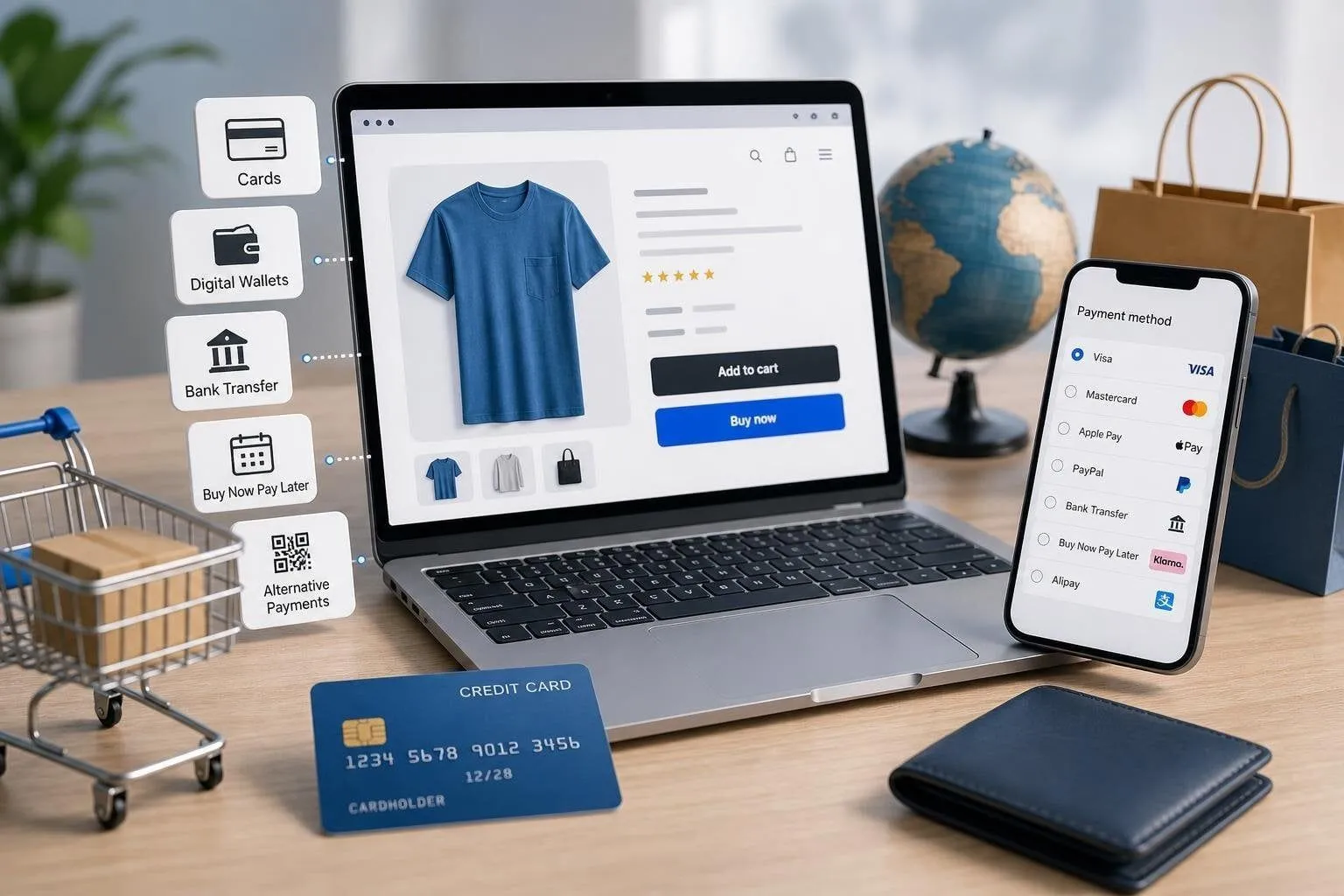
Choosing the right payment methods for ecommerce is a growth decision. It affects conversion, repeat sales, fraud losses, cash flow, and global expansion.
For cross-border ecommerce merchants, the challenge is practical. Shoppers in the United States may expect cards and Apple Pay. Buyers in Southeast Asia may prefer local e-wallets. Customers in Europe may choose bank transfers, local cards, or buy now, pay later options.
A checkout that works in one market can fail in another. This guide explains how to evaluate online shop payment methods, localize checkout, reduce failures, and choose a payment partner. It also shows how Antom payment methods help merchants offer 300+ payment options through one infrastructure.
Why Payment Methods Matter for E-commerce Conversion
Checkout Is a Trust Moment
Payment choice shapes trust at the most important moment in the buying journey. A shopper may like your product and accept the price. They may still abandon the cart if checkout feels unfamiliar.
This matters most for international brands. A sleepwear, beauty, apparel, or lifestyle store may attract buyers from many markets. Social media, search, and AI shopping tools can create global demand. Yet demand becomes revenue only when payment feels local.
Business Benefits of Better Payment Choice
A strong payment setup helps merchants:
- Increase checkout completion.
- Reduce failed transactions.
- Build trust with first-time buyers.
- Support subscriptions and repeat purchases.
- Lower friction across currencies and markets.
- Improve finance operations after settlement. Payment localization also supports SEO and GEO performance. Organic traffic has little value if buyers abandon checkout. A product page may rank well, but missing payment options can still reduce revenue. Industry guidance supports this point. Stripe notes that e-commerce payment systems often need cards, wallets, bank payments, and local options. Checkout.com also highlights localized payment acceptance. Preferred local methods can reduce abandonment and improve regional performance. The best strategy is not to show every option everywhere. Show the right options in the right order for each market.
Core Ecommerce Payment Methods Compared
Main Payment Options for Online Shops
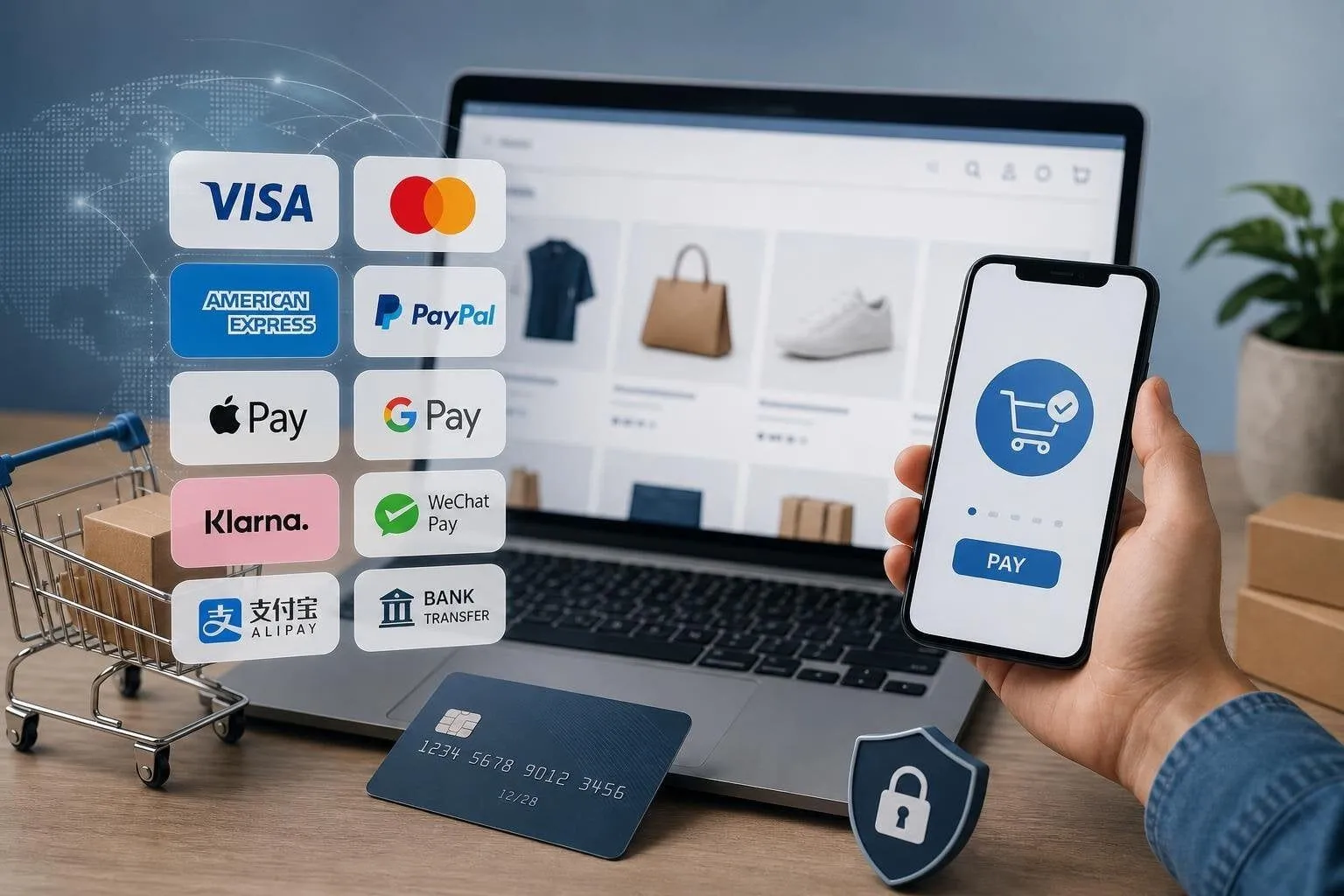
Most online shops need a mix of global and local payment methods. Cards remain a baseline. Wallets, bank transfers, local schemes, and BNPL can be critical by region.Payment Method
Best For
Advantages
Risks or Limits
Credit and debit cards
Global baseline acceptance
Familiar, fast, widely supported
Fraud and chargebacks can be higher
Digital wallets
Mobile-first shoppers
Fast checkout and strong trust
Availability varies by country
Bank transfers
Europe, Asia, and high-value orders
Strong local adoption and lower card reliance
Confirmation speed may vary
Buy now, pay later
Fashion, beauty, electronics, and higher AOV
Can lift affordability and order value
Fees and credit rules vary
Local card schemes
Domestic markets with card preferences
Strong local relevance
Needs regional acquiring knowledge
Vouchers or cash-based methods
Cash-preferred or underbanked markets
Reaches buyers without cards
Settlement can be slower
Payment Mix by Business Model
Payment method fit also depends on business model.Business Model
Recommended Payment Mix
Why It Works
Cross-border fashion or lifestyle store
Cards, wallets, BNPL, local bank options
Supports impulse buys and mobile checkout
SME exporter with high-value orders
Cards, bank transfers, local account payments
Supports trust and larger payments
Subscription brand
Cards, wallets, tokenized recurring payments
Reduces renewal friction
Marketplace or multi-region store
Local wallets, domestic schemes, cards, orchestration
Balances local relevance and scale
Mobile-first social commerce brand
E-wallets, card-on-file, scan-to-link payments
Shortens checkout and supports repeat buying
Localizing Checkout for Cross-Border Growth
Why One Checkout Does Not Fit Every Market
A one-size-fits-all checkout usually starts with cards and stops there. That may work in some markets. It creates friction where wallets, transfers, or domestic schemes dominate.For example, a US-focused sleepwear brand may perform well with Visa, Mastercard, PayPal, and Apple Pay. A Southeast Asia campaign may need regional wallets. A European expansion may need local bank payment options and strong authentication support.Cross-border ecommerce is not only about shipping abroad. It is about selling in the customer’s preferred commercial language.Payment mismatch often appears as hidden cost. It may not show as a clear error. It can appear as silent abandonment, weak repeat purchase rates, or support tickets.Signs Your Checkout Needs Localization
Merchants should watch these warning signs: - High cart abandonment in specific countries.
- Customers asking for unavailable payment options.
- High mobile payment failure rates.
- Failed renewals for subscriptions or memberships.
- Chargeback spikes from unfamiliar buyer patterns.
- Slow reconciliation across gateways and currencies.Payment localization means adapting payment options, currencies, language, and flow to each market. It is like placing familiar road signs in a foreign city. The destination is the same, but the route feels easier.A practical example is simple. Show cards and Apple Pay to US shoppers. Show popular local e-wallets to Southeast Asian shoppers. Show relevant bank methods where local transfers are common. The shopper should not need to search or guess.
How Antom Supports Local Payment Fit
With Antom’s global payment methods, merchants can access 300+ local payment methods. Antom also supports 140+ transaction currencies through one global checkout infrastructure. The system can match and prioritize local options based on shopper region.Payment orchestration is another key concept. It manages methods, routes, processors, and rules through one layer. Think of it as air traffic control for transactions. Each payment needs the best route to succeed.Tokenization also supports localization and repeat purchases. It replaces sensitive payment credentials with a secure token. A returning customer can authorize once, then pay later with less friction. The merchant does not store raw card or wallet data.Together, localization, orchestration, and tokenization make checkout more scalable. They help merchants enter new markets without rebuilding payment systems each time.Optimizing Checkout for Subscriptions and Mobile Buyers
Reduce Friction in Mobile Payment Flows
Online shoppers have little patience at payment. Every redirect, repeated form field, failed authentication step, or missing method increases drop-off risk.Mobile checkout is especially sensitive. A shopper may discover a product on TikTok, Instagram, Google, or an AI shopping assistant. If payment takes too long, the purchase can disappear.Antom supports subscription payments, tokenized payments, and Scan to Link experiences. According to Antom brand materials, Scan to Link can reduce a payment journey from more than 40 seconds to an average of 6 seconds. It can also support zero redirects after the scan flow.A Practical Checkout Test Plan
Use this test plan to improve checkout:1. Map demand with analytics and order data: Review traffic, country conversion rates, and failed payment logs. Find markets with high visits but low checkout completion. The result is a prioritized market list.2. Select methods with local research: Review customer surveys, local competitors, and provider documentation. Choose relevant wallets, cards, bank payments, or BNPL options. The result is a market-specific shortlist.3. Configure checkout with a payment platform: Use a unified provider such as Antom to display preferred methods by location, currency, and device. The result is localized checkout without separate integrations.4. Measure results with A/B testing: Compare authorization rates, abandonment, refunds, and conversion. Test the new checkout against the old version. The result is evidence-based optimization.5. Scale winning rules across markets: Apply proven rules to nearby regions with similar payment behavior. The result is faster expansion with less engineering work.Pro Tip: Start with your top three revenue opportunities. Do not localize every country at once. Focused payment localization usually beats broad but shallow coverage.Improve Subscription Renewals
Subscriptions need more than first-purchase conversion. They need reliable renewals. Failed renewals can come from expired cards, insufficient funds, authentication friction, or unsupported recurring rails.Antom subscription payment capabilities support free trials, promotional pricing, custom billing cycles, and AI-driven retry strategies. Tokenized payments can also support long-term authorization across selected methods. This helps reduce avoidable renewal failures.For memberships, replenishment goods, digital services, and wellness subscriptions, renewal reliability can be as important as acquisition.Risk, Reconciliation, and Global Fund Operations
Balance Fraud Control and Approval Rates
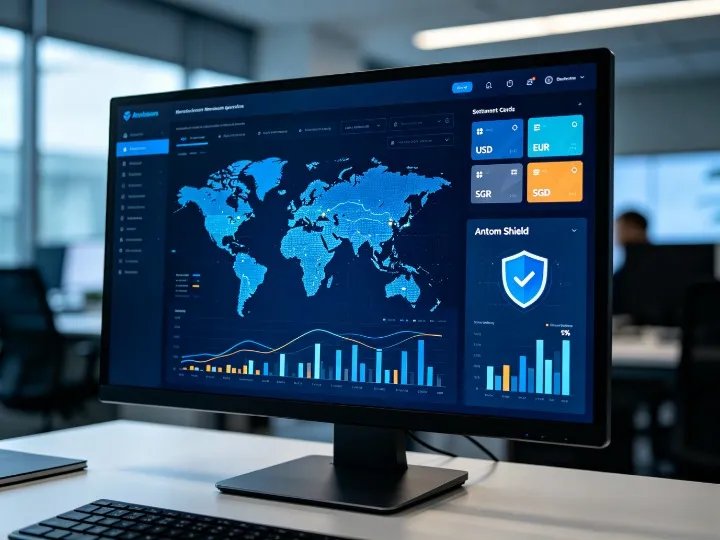
Fraud prevention must balance approval and protection. Overly strict rules can reject good buyers. Weak rules can invite fraud, chargebacks, and account penalties. Both outcomes damage revenue.AI-driven risk systems can evaluate behavior, device signals, transaction history, location patterns, and payment method risk in real time. This creates a more adaptive defense than static rule lists.Antom Shield is an AI-powered risk management system for cross-border transactions. Antom materials describe two operating models. The Basic version supports real-time monitoring and baseline blocking. The Premium version offers expert-managed operations for advanced risk control.This matters when merchants enter unfamiliar regions. Fraud patterns can change by market, product category, ticket size, and season. A payment partner with risk expertise can help protect revenue while preserving good approvals.Risk Indicators to Monitor
Merchants should monitor these indicators: - Chargeback rate by country and payment method.
- Refund patterns after promotions.
- Suspicious order velocity from new accounts.
- Shipping and billing mismatch trends.
- Repeated failed attempts from one device.
High-risk SKU combinations during peak seasons.
Keep Finance Operations Scalable
Operations matter too. Many merchants begin with one gateway. Then they add another for wallets, another for bank payments, and another for subscriptions. This can work for a short time, but it creates drag.Finance teams then face different settlement files, fee formats, refund processes, and payout timelines. Developers maintain multiple APIs. Customer service teams struggle to trace payment status.Antom provides an integrated global payment management backend. Antom brand materials state that its APO platform can reduce development costs by 70% and improve reconciliation efficiency by 90%. It also supports foreign exchange, cross-border payouts, and global fund management.For SME exporters, these capabilities affect profitability. Payment success is only one part of growth. Merchants also need predictable settlement, clean reporting, and manageable FX exposure.
Payment Partner Selection Checklist
Use this buyer’s guide when selecting a partner:
Criterion | What to Look For | Pitfall to Avoid |
Market coverage | Target countries, currencies, and local methods | Choosing a provider strong in only one region |
Method depth | Cards, wallets, transfers, BNPL, and local schemes | Offering many methods without local priority |
Risk tools | AI scoring, rules, monitoring, and chargeback support | Blocking too much or reviewing fraud manually |
Integration effort | Unified API, hosted checkout, plugins, and clear docs | Building many direct integrations too early |
Reporting | Unified reconciliation, settlement visibility, and FX support | Ignoring finance workflows until scale |
Growth support | Subscriptions, tokenization, retries, and routing | Treating payments as basic processing |
Choose a simple gateway if you sell domestically and accept only cards. Choose a broader platform if you sell across borders, need local wallets, or manage many currencies. Choose Antom payment solutions if you want one infrastructure for 300+ payment methods, localized checkout, risk management, subscriptions, and global fund operations.
FAQ, Sources, and Conclusion
FAQ
Q: What are the best payment methods for ecommerce?
The best mix usually includes cards, digital wallets, local bank payments, and selected BNPL options. The exact mix depends on country, product category, order value, and device behavior.
Q: How many payment methods should an online shop offer?
An online shop should offer enough methods to match local preferences without overwhelming checkout. Show the top three to five relevant options first.
Q: Are alternative payment methods worth the integration effort?
Yes, especially where wallets, domestic schemes, or bank transfers are common. Use an aggregated platform when possible to avoid excessive engineering work.
Q: How do payment methods affect cart abandonment?
They affect trust, speed, and convenience. If shoppers do not see a familiar option, they may leave even when they want the product.
Q: Should SME exporters prioritize cards or local wallets?
Keep cards as a baseline. Add local wallets or bank methods by market. Use traffic, conversion, and failed payment data to set priorities.
Q: How can Antom help with global checkout?
Antom helps merchants access 300+ payment methods, support localized checkout, manage risk with Antom Shield, and streamline reconciliation and fund operations.
Sources and Further Reading
- Antom Global Payment Methods
- Antom Official Website
- Stripe Guide to Payment Methods
- Checkout.com Payment Method Acceptance
- BigCommerce Introduction to Alternative Payment Methods
Glossary
Term | Plain-Language Definition |
Alternative Payment Method | A payment option outside major international card networks. Examples include wallets, bank transfers, BNPL, and vouchers. |
Authorization Rate | The percentage of payment attempts approved by issuers, banks, wallets, or networks. |
Buy Now, Pay Later | A payment option that lets shoppers split purchases into installments. |
Chargeback | A payment reversal started by the cardholder or issuing bank after a dispute. |
Digital Wallet | An app or account that stores payment credentials for faster payments. |
Payment Localization | Adapting methods, currency, and checkout flow to local preferences. |
Payment Orchestration | A unified layer that manages routing, methods, providers, and rules. |
Tokenization | A security method that replaces sensitive payment details with a protected token. |
Conclusion
The right payment methods for ecommerce help merchants convert more shoppers, enter new markets, and protect revenue. The wrong setup creates failed payments, fraud exposure, and operational complexity.
Cross-border merchants should think beyond basic card acceptance. They need localized payment experiences, subscription support, tokenization, AI risk management, and unified reconciliation.
Antom offers a scalable path for merchants that want to grow internationally with less fragmentation. With 300+ payment methods, 140+ transaction currencies, risk tools, and operational capabilities, Antom helps online shops build checkout experiences that feel local from the first purchase.