

Share on
A payment gateway is the technology that lets a business accept online payments by securely connecting its checkout to the banks and card networks that move the money. If a customer has ever entered card details on your site and seen an instant "payment approved" message, a payment gateway made that possible. This guide explains what a payment gateway is, how it works step by step, how it differs from a payment processor and a payment service provider, and what to look for when choosing a payment gateway for cross-border sales.
What is a payment gateway?
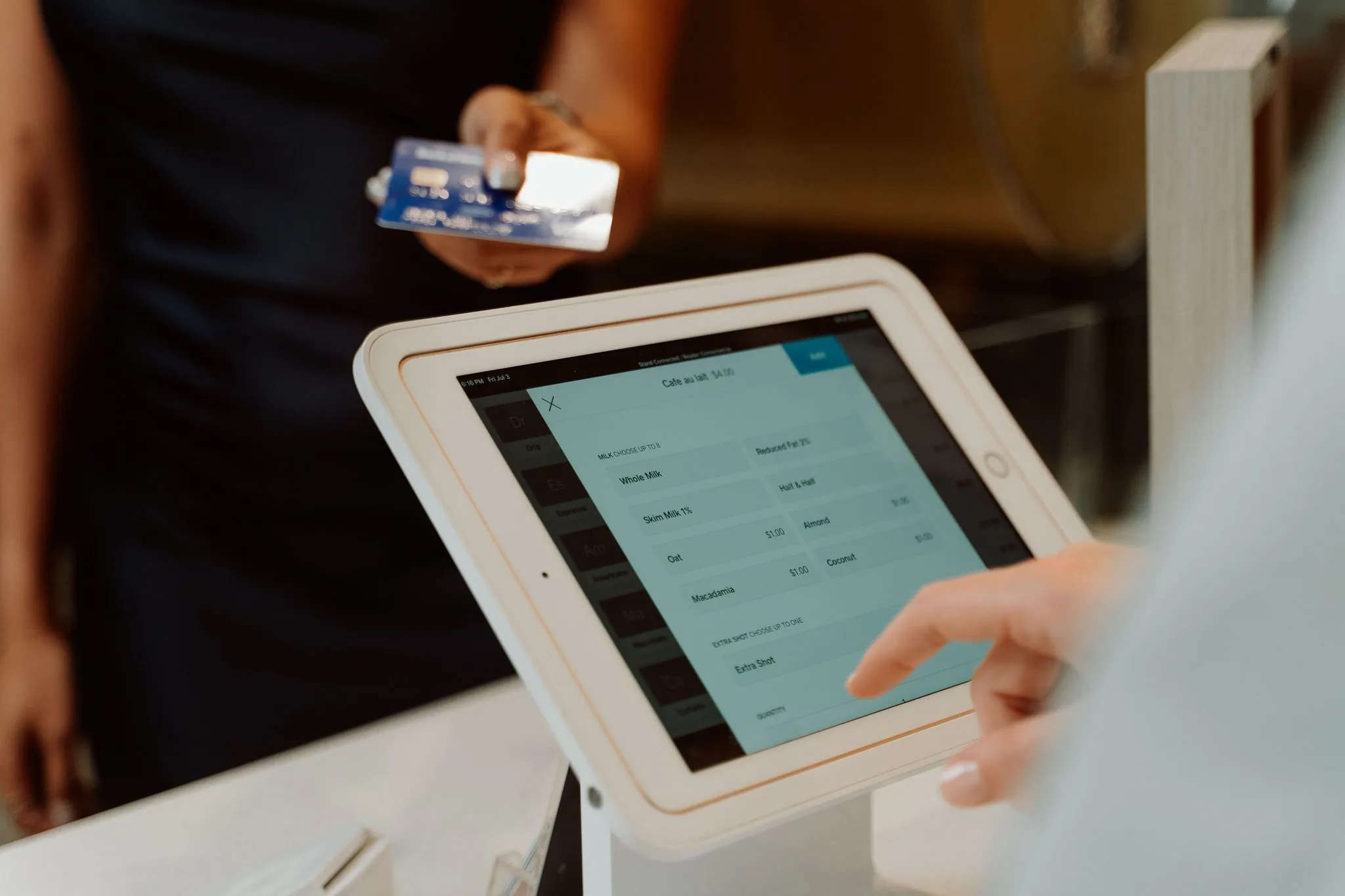
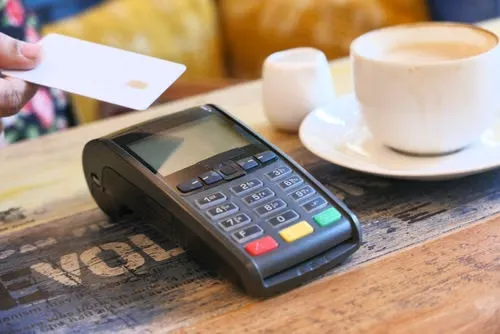
A payment gateway is a software service that captures a customer's payment details at checkout, encrypts them, and passes them securely to the parties that authorise and settle the transaction. Think of it as the secure "front door" of online payments: it collects the card or wallet information, protects it, and relays the approve-or-decline decision back to your website in real time.
The gateway itself does not hold the merchant's funds. Instead, it acts as the communication layer between the checkout and the wider payment chain. Because it sits at the point where sensitive data is entered, a gateway is also where much of a transaction's security and fraud screening begins. Many merchants access a gateway as part of a platform that supports a broad range of payment methods, so a single connection can handle cards and local options together.
How does a payment gateway work?
Although it happens in a couple of seconds, a gateway coordinates several steps behind the scenes.
Step by step
First, the customer enters their card or wallet details at checkout and confirms the purchase. The gateway encrypts this data and sends it to the payment processor used by the merchant's acquiring bank. The processor forwards the request through the relevant card network to the customer's issuing bank, which checks funds, runs risk checks, and approves or declines. The response returns along the same path, and the gateway displays the outcome to the shopper. For online card payments, a 3-D Secure prompt may ask the customer to verify the transaction before it is approved.
Where security fits in
Because a gateway handles sensitive card data, it is expected to meet PCI DSS security standards, encrypt data in transit, and often tokenise card details so raw numbers are not stored. Pairing a gateway with real-time fraud management helps screen suspicious transactions without adding friction for genuine customers.
Payment gateway vs processor vs payment service provider
These terms overlap and are often used loosely, so it helps to separate them.
Term | Main role |
Payment gateway | Captures and securely transmits payment details from checkout to the processor. |
Payment processor | Routes the transaction between the acquirer, card network, and issuing bank. |
Payment service provider (PSP) | Bundles gateway, processing, and acquiring into one account so merchants can accept payments without assembling each piece. |
In modern setups, these functions are frequently delivered together. A merchant using a ready-to-use checkout typically gets the gateway, processing connections, and security built in, rather than integrating each component separately.
Choosing a payment gateway for cross-border sales
Any gateway can accept a domestic card, but selling internationally raises the bar. Cross-border transactions face more declines, more currencies, and more local payment preferences, so the gateway you choose has a direct effect on conversion.
Key considerations include method and currency coverage, approval-rate optimisation, fraud tooling, and integration effort. Merchants that expect to grow into several markets often prefer a platform with wide method coverage and built-in approval-rate optimisation tools, so that smart routing and retries can lift the share of transactions that succeed. When multiple acquirers or methods are in play, a payment orchestration layer helps route each transaction along the best path. For teams that want to plan the build in advance, reviewing the integration guide early clarifies the effort involved.
Worth checking early: before committing to a gateway, it is worth confirming it supports the payment methods, currencies, and optimisation features your target markets will need — switching gateways later is more disruptive than choosing well the first time.
Summary
A payment gateway is the secure link between your checkout and the banks and networks that authorise payments. It captures and encrypts payment details, relays the authorisation request, and returns the result in seconds, while playing a central role in security and fraud prevention. For businesses selling across borders, the right gateway is one that combines broad method and currency coverage with strong approval-rate optimisation and fraud control — the combination that keeps international checkouts converting.
Getting started: merchants comparing options can start by listing the markets, currencies, and payment methods they need to support, then reviewing how a single checkout integration would cover them.
Frequently Asked Questions
Q: Is a payment gateway the same as a payment processor?
A: No. A payment gateway captures and securely transmits payment details from the checkout, while a payment processor routes the transaction between the acquirer, card network, and issuing bank. Many providers deliver both together.
Q: Do I need a payment gateway to accept online payments?
A: Yes. To accept card and most online payments, you need a gateway to securely collect and transmit payment data. It is usually included when you work with a payment service provider or use a hosted checkout.
Q: Is a payment gateway secure?
A: A reputable gateway meets PCI DSS standards, encrypts data in transit, and often tokenises card details. Adding real-time fraud screening further protects both the merchant and the customer.
Q: How much does a payment gateway cost?
A: Costs vary by provider and can include per-transaction fees and, in some cases, monthly fees. The exact structure depends on your volume, markets, and the payment methods you enable, so it is best confirmed with the provider.
Q: What should I look for in a payment gateway for international sales?
A: Prioritise broad payment method and currency coverage, approval-rate optimisation such as smart routing and retries, strong fraud tools, and a straightforward integration that can serve several markets from one connection.