
Share on
Given how businesses are stepping beyond domestic markets, it makes sense that overseas payments have become a strategic component of growth rather than a simple back-office function. You may be an e-commerce retailer entering US markets, a gaming company trying to grab users across Europe, or an airline serving international travellers. Regardless of the business, your payment infrastructure can directly influence revenue and market expansion.
The global cross-border payments market continues to grow as digital commerce expands worldwide. At the same time, customer expectations are evolving. Buyers prefer paying via familiar payment methods rather than relying solely on international card networks.
This shift is reflected in industry forecasts. For example, the global payment processing market is expected to reach $139.90 billion by 2030, growing at a 14.5% compound annual growth rate over seven years. Against this backdrop, selecting the right overseas payment solution has become a critical decision for businesses that want sustainable international growth.
Importance of Choosing the Right Overseas Payment Method
Global commerce is becoming increasingly interconnected. Businesses of all sizes can now reach customers across multiple regions through digital channels, marketplaces, and direct-to-consumer websites.
However, cross-border sales require much more than just translating a website and physically shipping goods internationally. Consumer payment preferences vary greatly by country.
For example:
- Indonesian consumers frequently use digital wallets such as OVO, GoPay, and DANA.
- Thailand has seen widespread adoption of PromptPay for instant transfers.
- Dutch shoppers often prefer iDEAL over traditional card payments.
- South Korean consumers commonly use Kakao Pay for mobile transactions.
Merchants who do not provide localised payment experiences for their customers will likely see lower conversion rates and higher cart abandonment rates. On the other hand, businesses that offer localised payment experiences can improve customer trust. Eventually, this spikes the number of completed transactions.
Although commendable, overseas payments come with their own baggage of complexities. Merchants require payment processing capabilities that can support multiple currencies, payment types, and regulatory compliance requirements within each geographic region.
You might need to go over a learning curve to meet these, but when you do, you enter a world of amazing opportunities.
How Traditional Banks Handle Overseas Payments
The Traditional Banking Model
Traditional commercial banks have been the primary channel for international payments for decades. Most overseas transactions originating from US business accounts are facilitated through correspondent banking networks and the SWIFT messaging system.
Despite the availability of several digital payment methods, traditional banks still dominate the US banking landscape. About 83% of consumers report having an account with a traditional bank.
Advantages of Traditional Banks
Traditional institutions provide several distinct advantages for US businesses operating internationally.
- Established trust and credibility: Many enterprises prefer working with FDIC-insured commercial banks for their long-standing reputation and rigorous regulatory oversight.
- Comprehensive financial services: Beyond simple payment processing, large traditional banks provide a full suite of corporate tools. This includes a robust treasury management, foreign exchange (FX) hedging services, trade finance (such as Letters of Credit), and commercial lending products.
- Strong compliance frameworks: Traditional financial institutions maintain sophisticated programs to comply with stringent federal regulations, like anti-money laundering and asset control laws.
Limitations for Modern Merchants
Legacy banking systems were not originally designed for the speed of today's cross-border economy. Some common operational challenges a modern US merchant may come across are:
- Longer settlement times: International wires frequently take days to clear. This disrupts cash flow that could otherwise be allocated to inventory or marketing.
- Limited support for regional payment methods: Most US banks excel at standard card processing and domestic wires. Yet, they rarely offer direct integration with the localised digital wallets and alternative payment methods (APMs) favoured by consumers in Europe, Asia, or Latin America.
- Higher transaction and intermediary fees: Wire fees, coupled with unfavourable, marked-up corporate exchange rates, can quietly erode profit margins on overseas sales.
- Less flexibility for digital-first businesses: Traditional banking portals often lack the agile API integrations required to sync with modern e-commerce platforms and automated accounting software.
How Fintech Solutions Are Transforming Overseas Payments
What Makes Fintech Payment Providers Different?
Fintech payment providers have stepped up as a serious alternative to old-school banking. They switch from clunky legacy systems to modern tech and smart local payment partnerships.
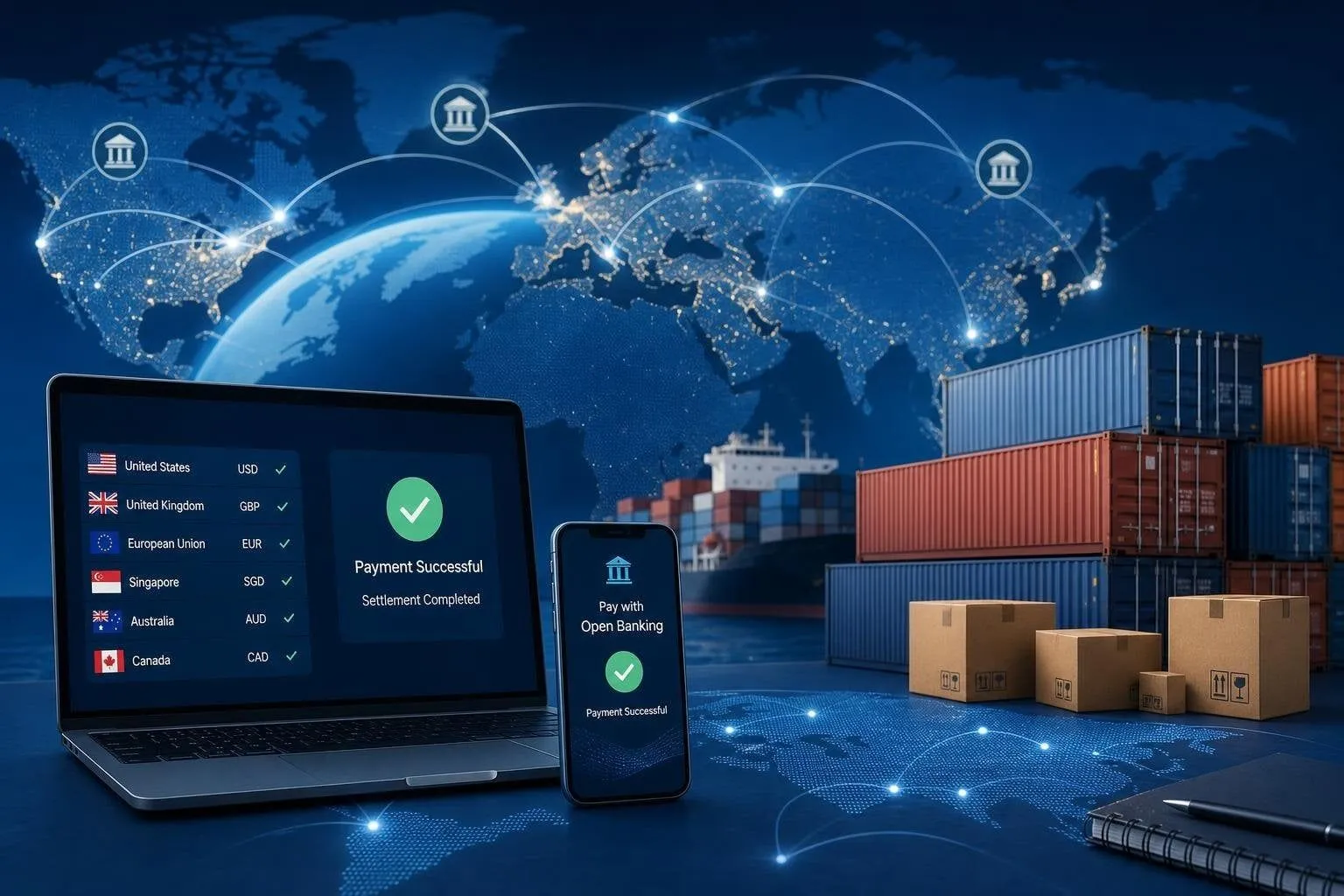
Instead of routing everything through the web of correspondent banks, many fintech companies set up direct acquiring partnerships and payment networks right inside specific countries. This indicates that you can accept whatever payment method locals prefer to use abroad.
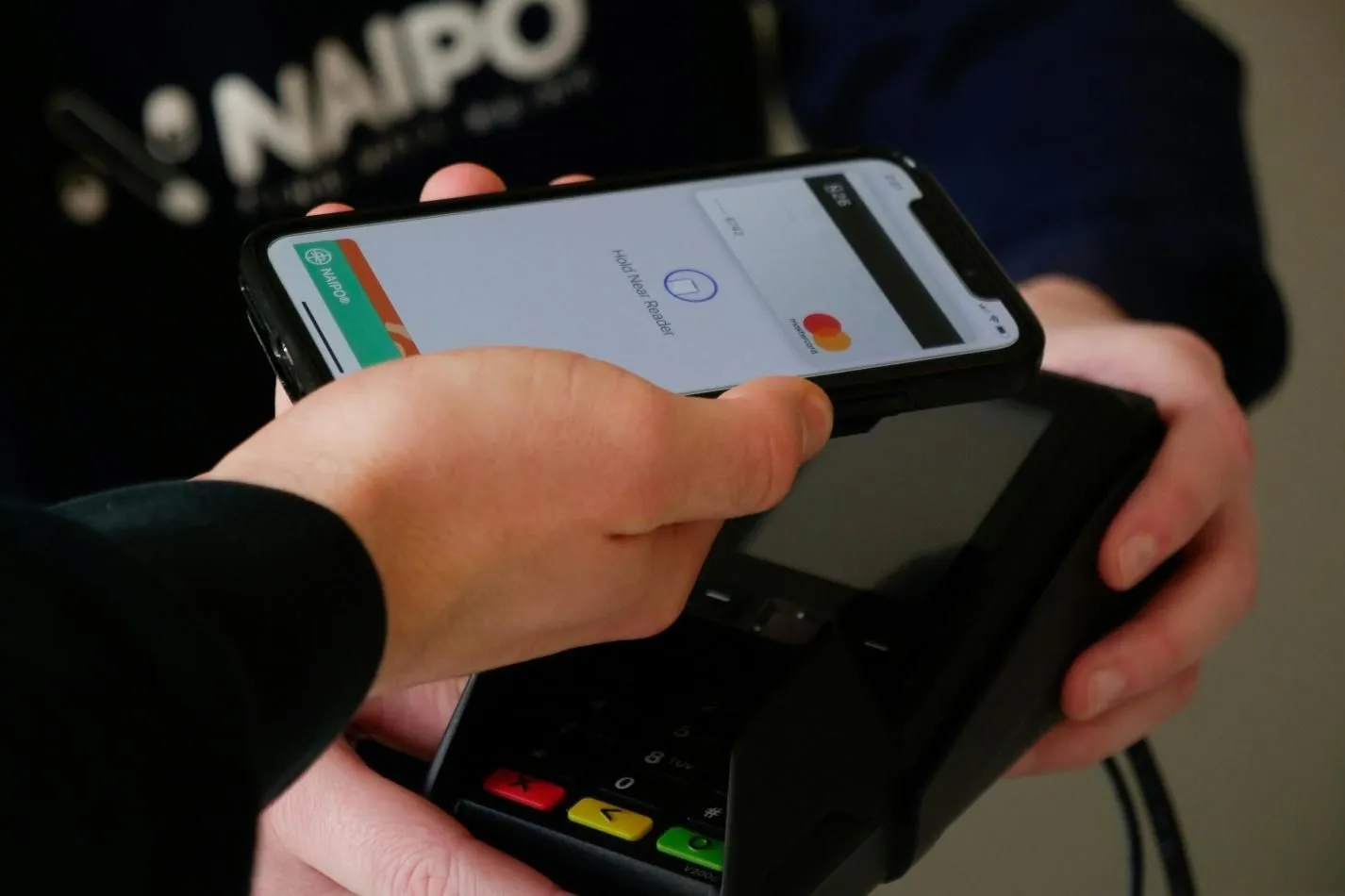
Image source: unsplash
Businesses no longer need to deal with traditional cross-border logistics.
Many fintech platforms go beyond basic payment processing. They offer API-based integrations, multi-currency payment support, real-time transaction monitoring, and centralised payment management. All of it happens in a single framework. This means businesses can gain better visibility into their finances by closely monitoring overseas payment activities.
Perks for Cross-Border Merchants
Fintech solutions are designed to address many challenges associated with traditional international payment systems.
Key benefits include:
- Faster settlement cycles
- Greater transparency into transaction status
- Support for multiple local payment methods
- Enhanced payment analytics and reporting
- Improved checkout experiences for international customers
Such advantages are quite important for businesses operating in highly competitive sectors such as gaming, travel, and e-commerce. They can enjoy higher conversion rates and improved customer satisfaction.
Quick tip: Airline, gaming, and e-commerce are Antom’s key verticals. It can help them connect global users and spike conversions with smooth payment solutions.
Perhaps this is why around 2 out of 5 American consumers use a non-traditional digital banking provider. The listed benefits and stats like this are pushing more merchants to integrate fintech solutions into their payment systems.
Traditional Banks vs. Fintech Solutions: A Quick Comparison
When evaluating overseas payment infrastructure, merchants should consider several critical factors.
Factor | Traditional Banks | Fintech Solutions |
Settlement Speed | Often slower | Typically faster |
Integration | Complex and manual | API-driven and scalable |
Local Payment Coverage | Limited | Extensive |
Cost Transparency | Varies | Generally higher transparency |
Merchant Analytics | Basic reporting | Advanced insights |
Scalability | Moderate | Designed for rapid expansion |
Customer Experience | Less flexible | Optimized for digital commerce |
Traditional banks still excel at large-scale corporate treasury tasks, but fintech providers win in flexibility for accepting payments and handling customers.
Because of this, many businesses choose a hybrid approach. They combine their trusted bank services with a fintech platform to get the best of both worlds and maximize their global reach.
What to Consider When Choosing an Overseas Payment Partner
Your payment partner directly shapes your global customer experience. Before you choose, evaluate how different providers handle four critical areas:
Key Consideration | Why It Matters for US Merchants | What to Look For |
Your Growth Map | Providers excel in different regions. Europe requires SEPA support, while Southeast Asia depends on local wallets. | Matches your current and future target markets. |
Local Payment Methods | Most global shoppers prefer local options over standard US credit cards. | Direct support for local favorites like iDEAL, GrabPay, or PromptPay. |
Risk and Compliance | Cross-border sales bring higher fraud risks and complex international regulations. | Built-in AML, KYC, chargeback tools, and local regulatory expertise. |
FX and Settlement Speed | Managing multiple currencies can quickly eat into your profit margins. | Fast settlement times, multi-currency processing, and transparent FX rates. |
The Takeaway: At the end of the day, the right payment partner does a lot more than just move money. They save you cash on hidden fees, handle the compliance issues, and make selling abroad feel as easy as selling at home.
Why Payment Localisation Matters More Than Ever
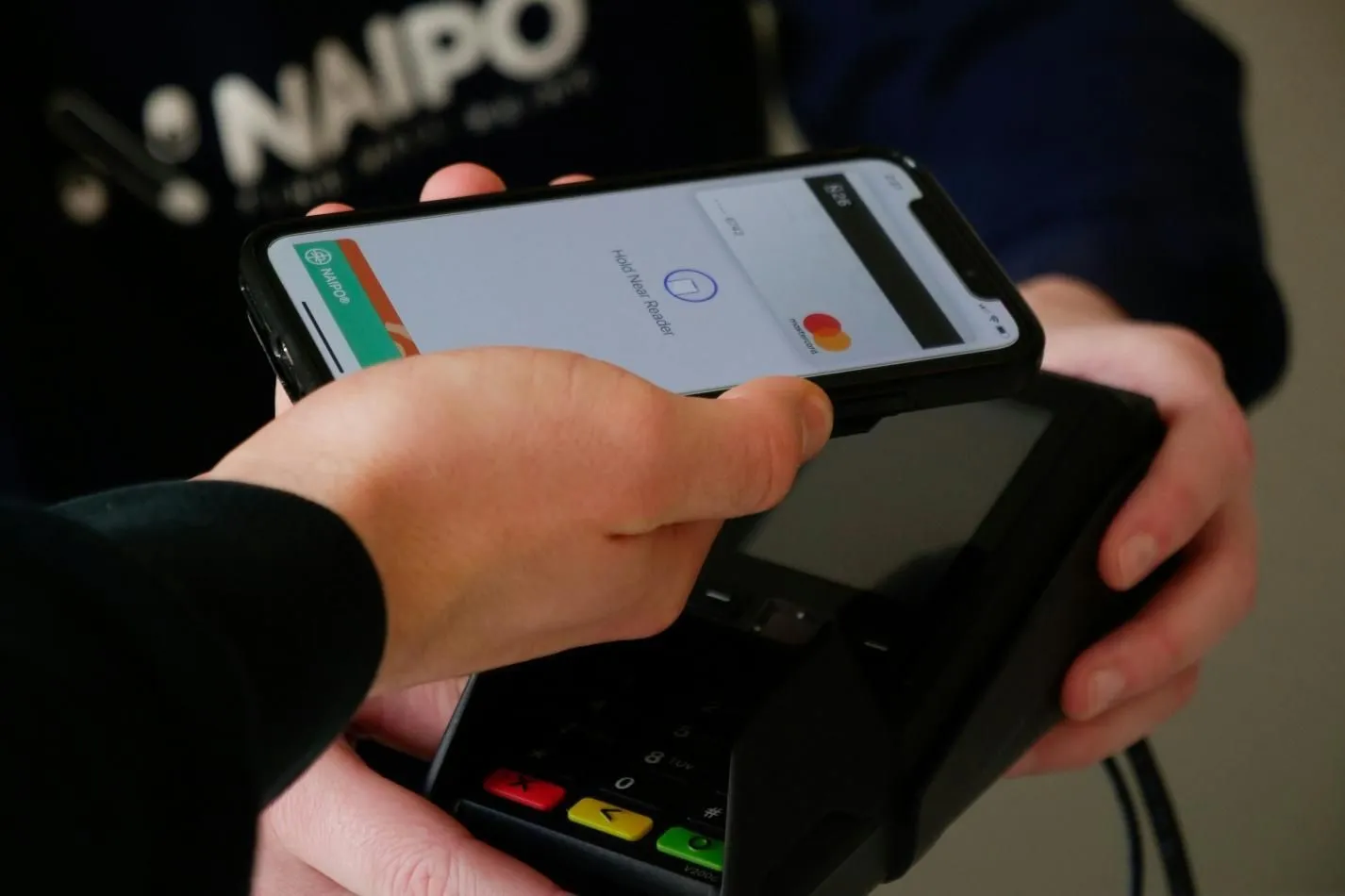
Global shoppers expect a familiar and frictionless experience at checkout. When you provide localised payment options, you instantly build trust. It boosts your payment authorisation success rates and captures cart abandonment before they happen.
In fact, according to recent data from the Baymard Institute, the absence of local payment options is a primary deal-breaker for cross-border buyers. This can cause roughly 13% of online shoppers to abandon their carts at checkout because a merchant didn't offer their preferred payment method.
This shift is crucial in global markets where digital wallets and real-time bank transfers have completely eclipsed traditional credit cards. If your business relies solely on international card acceptance, you are missing out on massive segments of local consumers.
As global commerce grows, providing the right local payment options can make a big difference in retaining international customers.

Image source: unsplash
Platforms like Antom go the extra mile to keep this connection strong. It has an extensive network of payment methods and cross-border payment infrastructure. Using this, businesses can deliver a better checkout experience and expand into new markets with greater confidence.
Supporting Global Growth with Modern Payment Infrastructure
Growing your business across borders doesn't have to mean dealing with a messy tangle of different systems. To keep things simple, many companies are switching to all-in-one payment platforms. They handle global credit cards, local wallets, multiple currencies, and fraud protection all in one place.
Platforms like Antom can help you streamline your overseas payments while giving your international customers the local checkout experience they expect. When you manage everything through a single dashboard, you don’t face operational issues and can focus 100% on scaling into new markets.
FAQs
How can local payment methods improve international sales?
Local payment methods allow customers to pay using familiar options. They can reduce checkout friction, increase trust, and improve conversion rates in overseas markets.
What should businesses look for in an overseas payment provider?
Businesses should consider payment method coverage, settlement speed, fees, compliance support, fraud protection, and the provider's ability to support future expansion plans.
Are fintech solutions suitable for large enterprises?
Yes. Many fintech providers support businesses of all sizes and offer scalable infrastructure. They also support multi-currency processing, advanced reporting, and enterprise-level security features.
Conclusion
In a digital-first world, your approach to overseas payments can either stall your global growth or supercharge it. Even though traditional legacy banks still hold value for heavy-duty corporate treasury needs, fintech platforms deliver quick payments that modern customers actually want to use.
Know that there is no one-size-fits-all strategy. The right choice depends on where you are expanding and how fast you want to scale. Pick a payment infrastructure with seamless local checkouts and transparent pricing. Doing so can transform your checkout experience into a powerful driver of global growth!
Also, stay connected to the latest payment methods and learn the ins and outs of each to ensure your business stays at a competitive edge.