


Share on
South Korea has a digital-first economy where buyers choose fast, familiar, and secure ways to pay. You see this across both physical and online channels, with a strong preference for cards and mobile wallets. Local behaviour continues to shift toward cashless payments, and global merchants entering the market need a clear view of what drives successful transactions.
Overview: How South Koreans pay today
Market size and growth
South Korea has one of the highest levels of digital payment usage worldwide. Card payments alone reached KRW 1,272 trillion (USD 865 billion) in 2024. Growth is expected to continue, with card payments projected to reach KRW 1,510 trillion (USD 1.1 trillion) by 2029 at a 3.7% CAGR.
Digital payments more broadly are expanding at a faster pace. Estimates suggest the digital payments market will grow from USD 3.54 billion in 2024 to USD 17 billion by 2035. Mobile payments are a major driver, increasing from USD 1.22 billion in 2023 to a projected USD 4.79 billion in 2030.
These figures show a market moving steadily toward cashless payments and higher transaction volume across channels.
Channel split: POS vs e-commerce
South Koreans rely heavily on cards at physical checkout, with digital wallets gaining steady ground. Credit cards make up more than half of POS transactions, supported by strong consumer confidence in card payments and a well-established terminal network. Wallet usage continues to rise as more buyers choose familiar apps that shorten the payment process. Cash now plays a smaller role and appears mainly in settings where digital acceptance is limited.
E-commerce follows a similar pattern, with credit cards accounting for most online transactions and wallets growing year after year. Debit cards hold a smaller share, while A2A transfers and BNPL serve more specific needs. The mobile-first nature of Korean e-commerce shapes these preferences. Around 75% of online purchases in 2024 took place on mobile devices, encouraging merchants to streamline checkout and support local wallet options that buyers use daily. This signals that Korean buyers expect checkout flows to be quick, mobile-optimised, and friendly to local payment method preferences.
Credit and debit cards: top preferred method
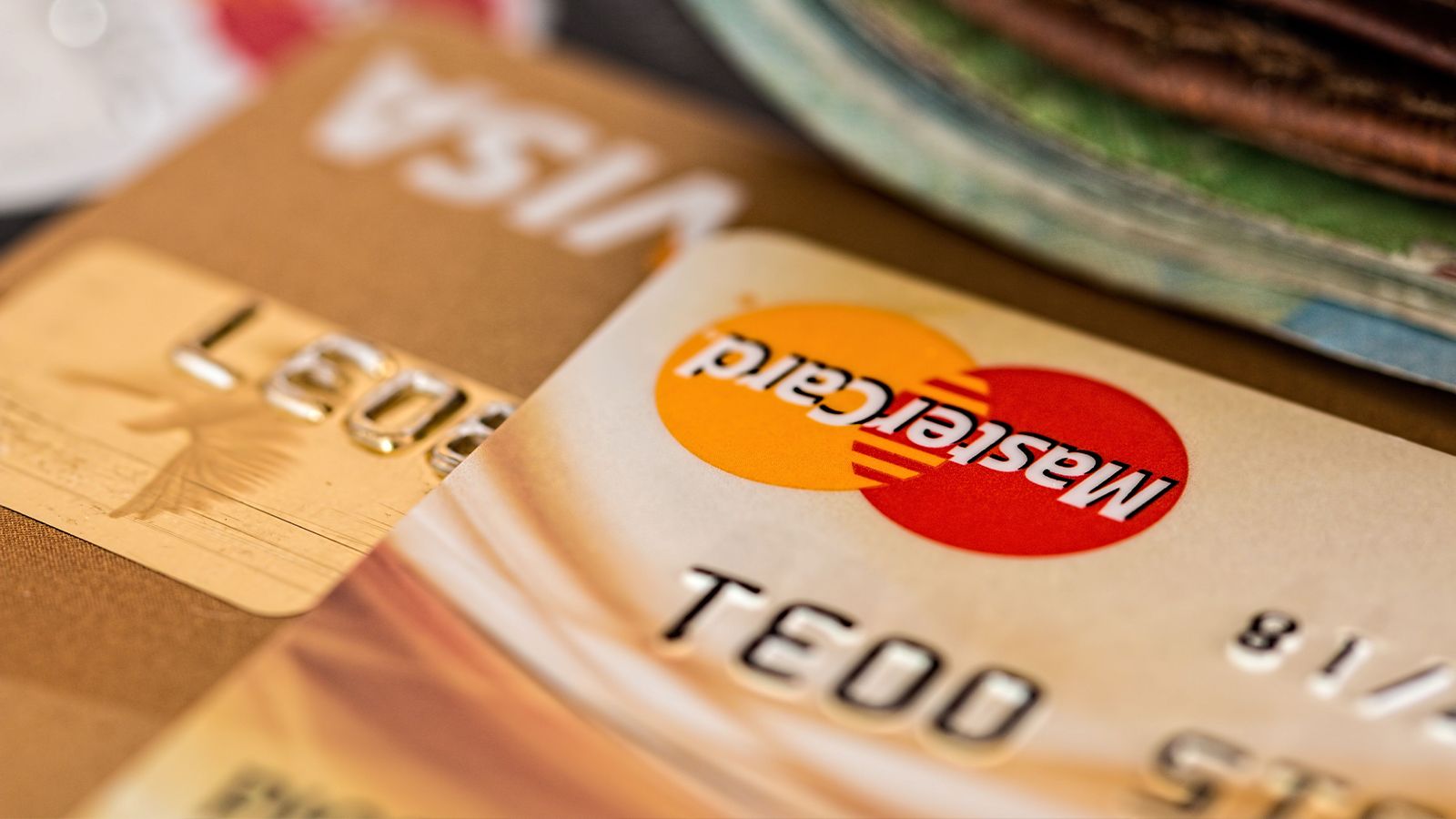
Cards remain the most widely used payment method in South Korea. Adoption is high, with around 61% of adults holding credit cards and 47% holding debit cards. Credit cards represent 78.7% of card payments by value, while debit cards account for 21.3%.
International brands are well represented. Visa accounts for roughly 40% of branded card usage, and Mastercard holds about 26%. Local schemes and co-branded cards also play a meaningful role. The regulatory environment, shaped by the Bank of Korea and the Specialised Credit Financial Business Act, influences interchange structures and settlement rules.
For merchants, card acceptance is essential both online and in-store. It also provides access to a broad base of buyers who rely on instalment payments, which function as a common feature of the Korean card experience.
Digital and mobile wallets
Mobile wallets form a growing part of South Korea’s payment ecosystem. Wallets are expected to reach 42% of e-commerce transactions by 2027. The domestic digital wallet market was valued at USD 3.2 billion in 2023 and is projected to reach USD 12.9 billion by 2032.
Korean buyers often choose wallets to speed up checkout and reduce friction, particularly on mobile devices. Wallets also allow buyers to pay without entering card details, which supports higher conversion.
Leading mobile wallet providers
- Naver Pay offers a familiar payment experience for buyers who already use the Naver ecosystem for search, shopping, and services. It supports card-on-file payments, loyalty points, and quick checkout flows.
- Kakao Pay is widely adopted thanks to KakaoTalk’s reach. Buyers use it for everyday transactions, bill payments, peer transfers, and online shopping.
- Samsung Pay provides strong coverage at physical terminals through NFC and MST technology. It appeals to buyers who prefer mobile-first payments that work across many retail environments.
- Toss focuses on simplicity and speed. It integrates bank transfers, cards, insurance, and financial tools into a single app, letting buyers complete transactions with minimal steps.

Bank transfers and real-time payments (A2A)
Account-to-account payments have a smaller share but remain an important method for specific uses. A2A accounts for around 4% of POS transactions and 3% of e-commerce transactions.
Buyers commonly use bank transfers to pay bills, settle invoices, or complete B2B and P2P transfers. Korean bank apps, including Shinhan SOL Pay, as well as wallets like Toss and Kakao Pay, incorporate A2A transfers directly. This gives buyers a familiar and quick option that does not require card details.
Cash: still relevant but fading
South Korea continues to reduce its reliance on cash, reflecting the country’s long-running move toward a cashless environment. Cash now represents only 7% of POS transaction share. At the same time, cash still accounts for about 15.9% of all transactions, showing that it retains influence in certain situations.
Cash usage remains common among older demographics, small merchants in traditional markets, taxis that do not support digital terminals, and everyday micro-purchases. ATMs remain accessible, although their relevance is slowly decreasing as digital wallet adoption expands.
Other emerging methods
Buy now, pay later is a small but growing category in South Korea. BNPL represents around 2% of e-commerce transactions and 1% of POS transactions. Growth is steady, but card-based instalment plans already satisfy much of the local appetite for deferred payments, which affects BNPL’s share.
South Korea also has a large crypto user base, with over 16 million people holding accounts with major exchanges. Crypto is mainly used for investment rather than retail payments. Even so, it is worth watching as regulations and acceptance models develop.

What merchants should accept in South Korea
For domestic e-commerce brands
To serve Korean buyers effectively, you need to offer:
- Credit cards from domestic issuers and international schemes
- Leading local digital wallets
- A mobile-optimised checkout flow with minimal steps
Strong payment method coverage supports conversion and reduces friction, especially in a mobile-first environment.
For cross-border merchants entering Korea
Cross-border sellers often focus on international card rails, but this may not be enough. Korean buyers expect:
- Local digital wallets such as Naver Pay, Kakao Pay, Toss Pay, and Samsung Pay
- Local card routing where available
- Clear checkout flows that display prices in familiar currency formats
Working with a payment partner that supports local payment methods helps improve transaction success rates.
For physical retailers
In-store payments continue to favour cards and mobile wallets. Retailers should support:
- Card terminals with NFC capability
- QR-based payments and digital wallet acceptance
- Government-backed options such as ZeroPay for SMEs
These methods help you serve buyers who prefer to go cashless while still accommodating those who carry cash.
Conclusion
South Korea’s payment landscape reflects a market that embraces digital choice and mobile-first behaviour. Merchants entering the South Korean market gain an advantage by supporting the payment methods buyers trust most. Combining card acceptance, leading wallets, and strong mobile experiences creates a smoother path to completed transactions and stronger customer engagement.