
Share on
A digital payment is any transfer of value that happens electronically — no cash, no paper. That simple idea now covers an enormous range of methods, from tapping a card to scanning a QR code to paying with a wallet balance, and it differs market by market. For a business selling across borders, understanding digital payments isn't academic: the methods you accept determine whether a buyer in Jakarta, Seoul or São Paulo can actually check out. This guide walks through the main types, how they work, and how merchants accept them at global scale.
What is a digital payment?
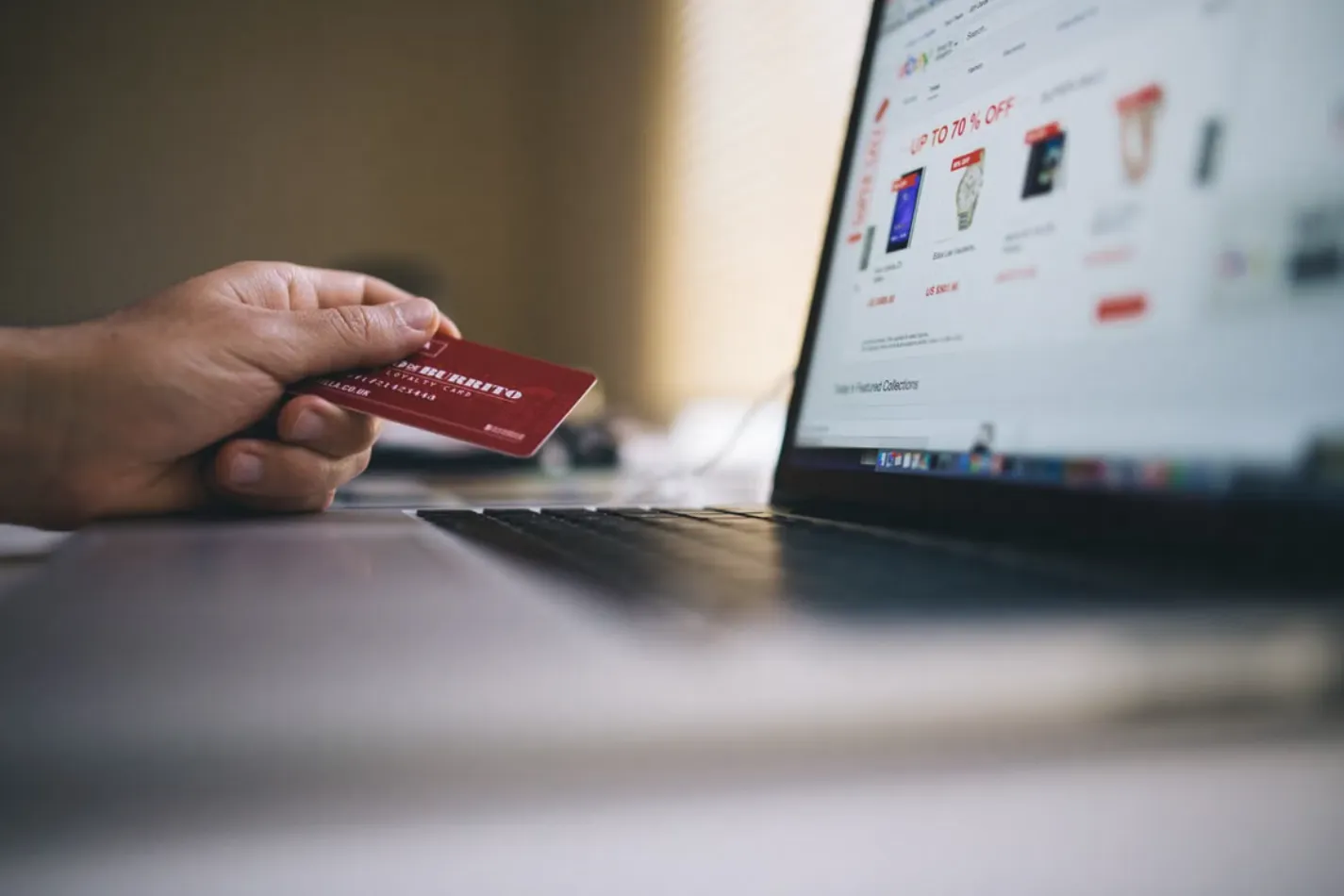
A digital payment moves money from a payer to a payee through electronic channels, with the transaction authorized and recorded digitally. It replaces the physical exchange of cash with a data exchange between the buyer's payment instrument, a provider, and the receiving account. The category keeps expanding because it absorbs whatever is faster and more convenient, which is why a modern checkout often needs to support hundreds of payment methods rather than just cards.
The main types of digital payments
Cards
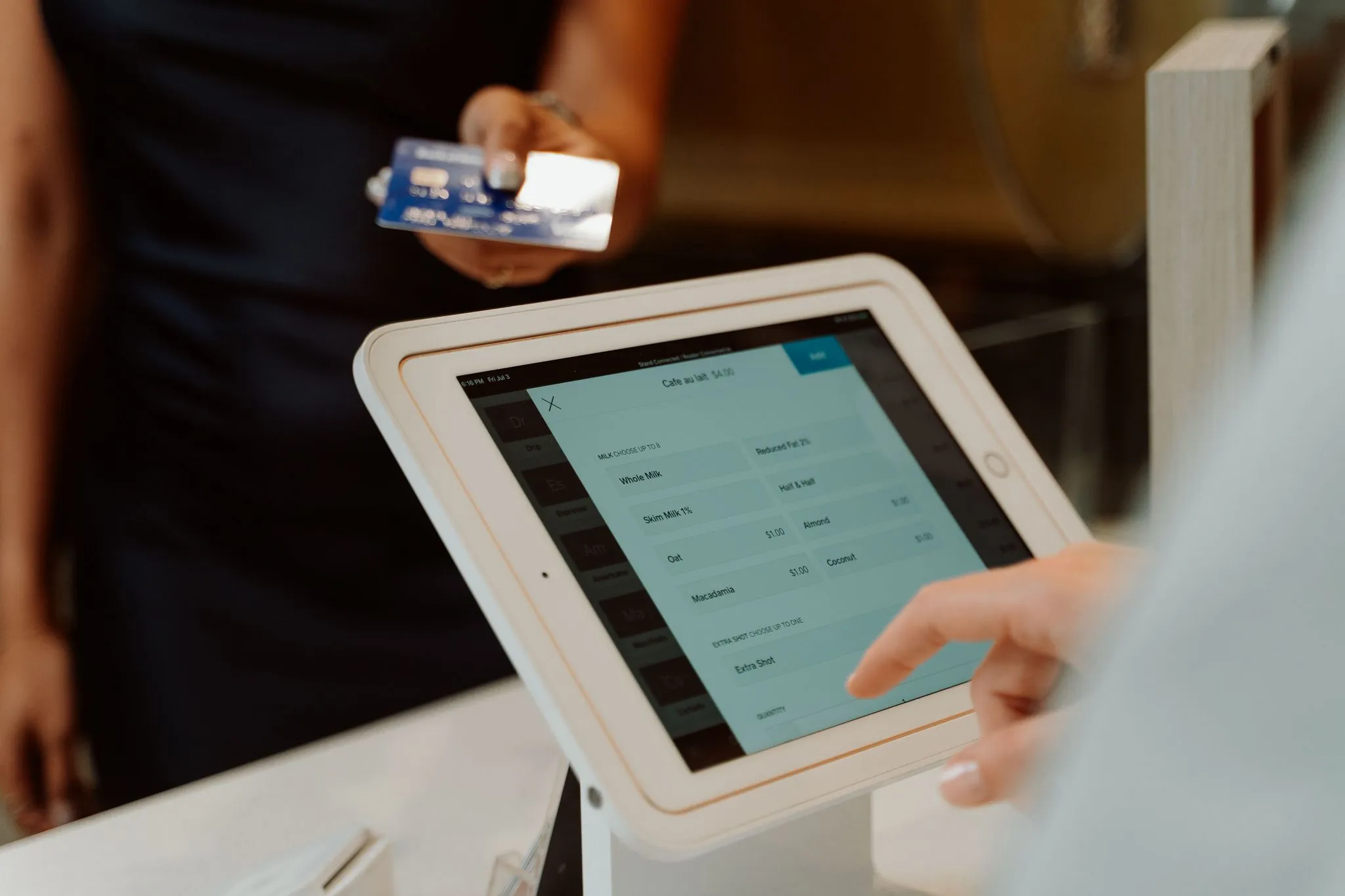
Debit and credit cards remain a backbone of online payment, processed through global schemes and increasingly stored as tokens for one-click reuse.
Digital wallets
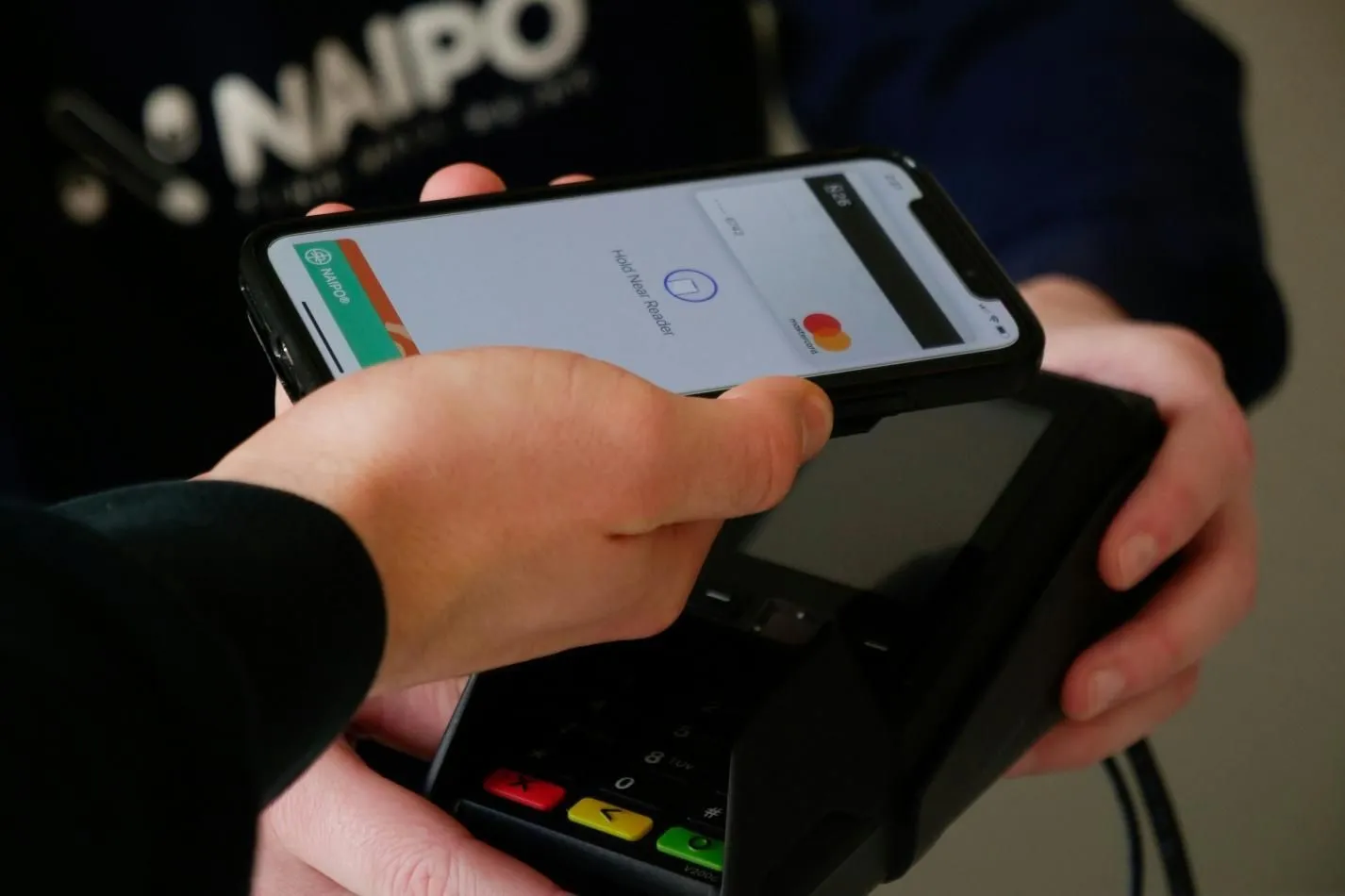
Wallets store funds or card credentials and pay with a tap. They dominate many Asian and emerging markets, making them essential for cross-border sellers.
Bank transfers & account-to-account
Real-time bank transfers and online banking let buyers pay directly from their accounts, popular where card penetration is lower.
Buy Now, Pay Later (BNPL)
Installment options at checkout that can lift conversion and average order value.
QR and scan-to-pay
QR codes bridge online and offline, and scan-to-link flows let buyers bind a wallet across devices with a single scan.
How a digital payment works
Whatever the method, the flow rhymes: the buyer chooses a method at checkout, the request is authorized by the issuer or wallet, the result is confirmed back to the merchant, and funds are settled. The work a merchant doesn't see — routing, fraud screening, currency handling — is exactly what decides whether the payment succeeds.
Why digital payments matter for cross-border growth
The shift is structural, not seasonal. Digital and cross-border commerce continue to grow rapidly, with cross-border payment flows projected to surpass $250 trillion by 2027. The practical implication for merchants: accepting the right local digital methods in each market is now a precondition for capturing that demand. A buyer who can't pay with their preferred wallet simply leaves — and the documented average cart abandonment rate of around 70% shows how unforgiving checkout friction is.
Entering a new market and unsure which digital methods to offer? Begin by checking which wallets and local methods lead in that country, then make sure your checkout supports them.
How merchants accept digital payments globally
The efficient path is a single integration that exposes many methods, currencies, and flows — one-time payments, tokenised recurring billing, and subscriptions — rather than integrating each provider separately. That keeps engineering light while letting buyers everywhere pay the way they prefer.
Summary
Digital payment is the umbrella over cards, wallets, bank transfers, BNPL, and QR — and the mix that wins varies by market. For cross-border businesses, the takeaway is direct: accept the local digital methods your buyers actually use, deliver them through a smooth, secure checkout, and do it through one integration so adding methods or markets stays simple. That's how digital payments turn global demand into completed sales.
Ready to accept the digital payment methods your global buyers prefer? You can browse global and local payment methods or talk to a payments team about your markets.
Frequently asked questions (FAQs)
Q: What counts as a digital payment?
A: Any electronic transfer of value — card payments, digital wallets, bank transfers, BNPL and QR all qualify. The common thread is that authorization and records are digital.
Q: Which digital payment methods should a merchant accept?
A: The ones buyers actually use in each target market. That usually means global cards plus the leading local wallets and methods per country.
Q: Are digital wallets bigger than cards?
A: In many Asian and emerging markets, yes — wallets lead. Cards still dominate elsewhere, which is why broad coverage matters for cross-border sellers.
Q: How do recurring digital payments work?
A: Through tokenization: credentials are stored securely so the merchant can charge later via tokenised / auto-debit or subscription billing.