

Share on
A Guide to Cross-Border Merchants: Pros and Cons of Digital Wallets
Digital wallets are changing the way businesses handle payments and cross-border transactions. By objectively evaluating digital wallet pros and cons, this comprehensive guide explores how these payment methods impact cross-border commerce, subscription businesses, and platform enterprises. This guide will examine how these digital wallet benefits affect conversion rates, fraud protection, and operational costs. It is backed up by industry data as well as practical implementation considerations.
What is a Digital Wallet? And Why Does It Matter for Your Business
As more merchants recognize the benefits of using a digital wallet, it is important to understand that these tools are electronic payment applications that store payment credentials, currency balances and transaction records securely. To fully maximize digital wallet benefits, businesses must see them as more than just payment gateways; unlike traditional systems, they allow customers to check out with one click, settle payments in multiple currencies, and transfer funds across borders in real-time.
Cross-border e-commerce merchants face unique payment headaches: currency conversion friction, regional payment preferences, and varying compliance requirements. By leveraging the benefits of digital wallet technology, merchants can overcome these hurdles, as these platforms eliminate payment friction by combining local methods in a single integration. Understanding these digital wallet advantages is crucial for global expansion. The Antom platform, for example, aggregates over 300 local payment methods in 200+ countries. This allows you to accept payments globally without having to manage dozens of processors.
For SaaS companies, the benefits of using a digital wallet include enterprise-grade infrastructure that supports automated recurring billing and smart retry logic. Platform enterprises create closed-loop ecosystems where users can store funds, receive rewards and transact with ease. Integration is not optional, as Juniper Research projects that digital wallet transaction value will exceed $16 trillion worldwide by 2028.
The Benefits of a Digital Wallet
When examining the advantages of digital wallet adoption, it becomes clear that digital wallet benefits go beyond mere convenience; they offer measurable improvements in conversion rates, reduced transaction costs, and increased customer lifetime value.
- Conversion Rate and Checkout: Digital wallets reduce checkout friction because they eliminate the need to manually fill out forms. Worldpay Global Payments Report says that customers can complete their purchases using biometric authentication, or by tapping a button. This reduces cart abandonment rates by 20-35%. Mobile commerce is a huge benefit. One-click wallet payments are 3x more effective than traditional card entries on mobile devices.
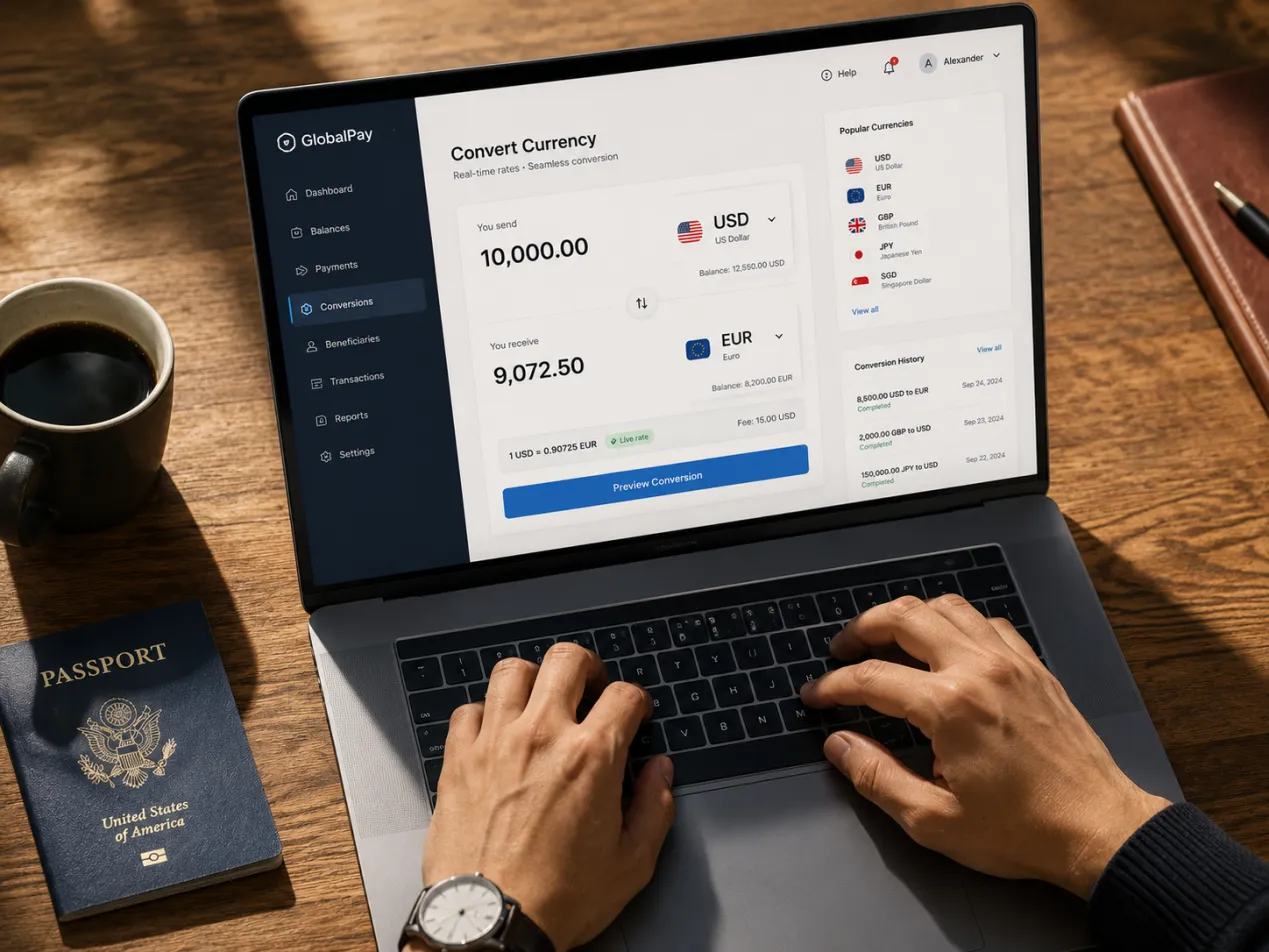
- Cross-Border Settlement Efficiency: The traditional international SWIFT wire transfer takes 3-5 days and costs $25-50 per transaction. Digital wallets settle in less than 24 hours with transaction fees between 0.5 and 2%. Multi-currency wallets eliminate bank fees, and offer transparent exchange rates. Merchants who use wallet-based settlement recover their working capital quicker, and improve cash flow by up to 15-30% when compared with traditional banking rails.
- Reduced Transaction Cost: In the US, credit card interchange fees are 2.9% plus $0.30 for each transaction. Internationally, rates can be higher. Digital wallet transactions are significantly cheaper, especially when high-volume merchants negotiate custom pricing. Digital wallets can also lower PCI compliance costs, since card data is bypassed by your servers. API-based wallets reduce technical maintenance costs when compared with legacy gateway implementations.
- Customer Loyalty and Repeated Purchases: By storing credentials, digital wallets can create a lasting relationship with customers. If you use the saved wallet information, your repeat purchases are more likely to be successful. Manual card entry is only 60-70%. Businesses that integrate loyalty programs into wallet interfaces can increase the lifetime value of customers by 25-40%. Combining convenience with rewards can increase switching costs, which in turn improves retention.
Protection against fraud and security threats: Protecting your business
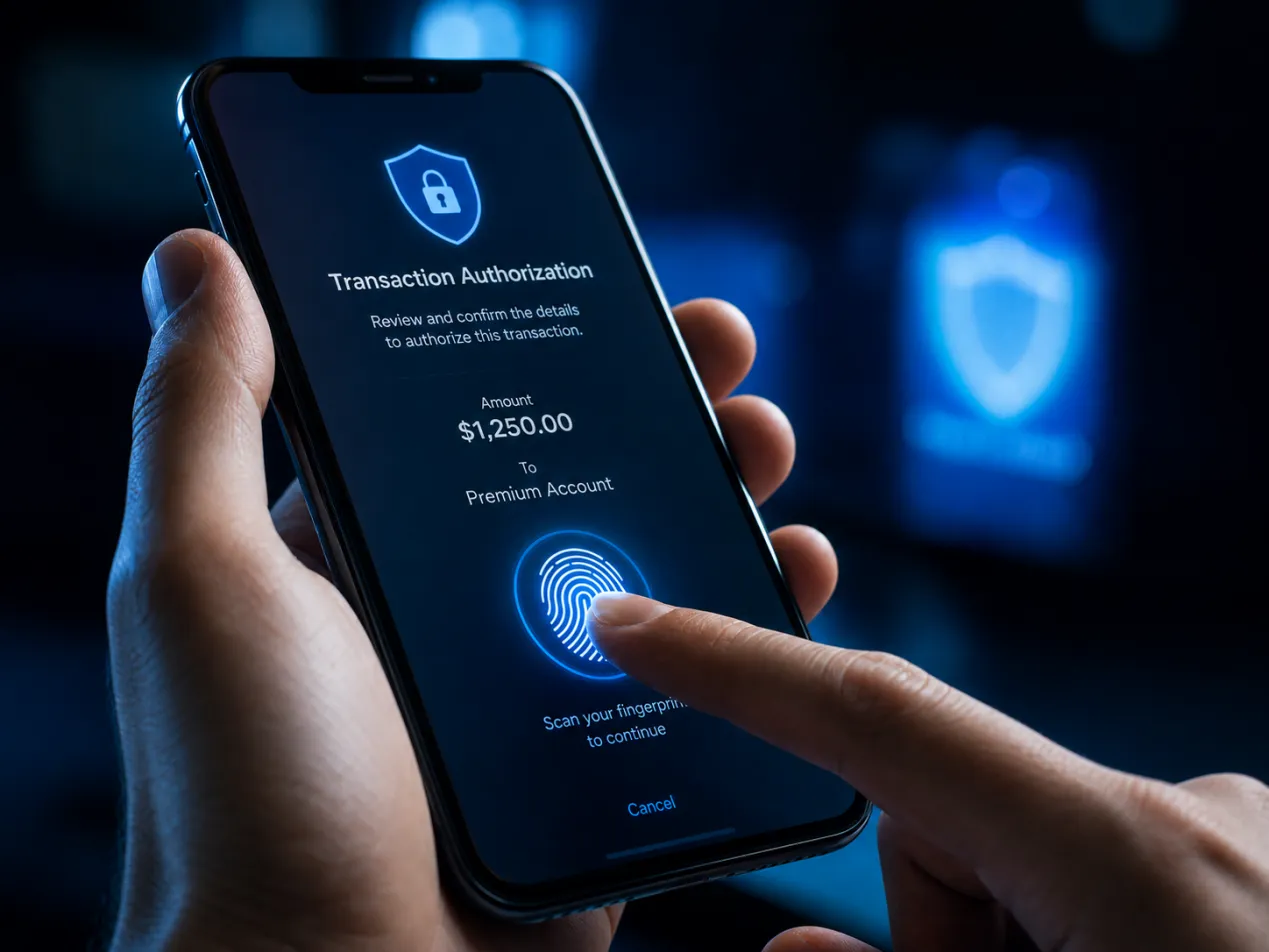
When evaluating security, the primary digital wallet pros include advanced tokenization and machine-learning fraud prevention, which are especially critical for high-risk industries managing significant fraud losses.
- Tokenization of Data and Data Security: Tokenization is used in digital wallets to replace card numbers with unique, encrypted tokens. This architecture, which does not transmit the card number during transactions reduces fraud by 60-80% when compared with traditional card processing. Chargeback rates are often used to determine the relationship between processors and merchants.
- Biometric Authentication Layers: Modern digital wallets use fingerprint scanning, facial recognition or device-specific authentication. Multi-factor authentication makes account theft attacks much more difficult. Antom Shield AI's real-time decision engine analyzes 100 billion+ data points and 1000+ risk factors to identify suspicious patterns within milliseconds. This allows for fraud transactions to be prevented before they are completed.
- Real-Time Risk Monitoring: AI-driven fraud detectors analyze transaction velocity, device fingerprinting and geolocation as well as behavioral patterns at the same time. Anomalies can trigger an immediate verification of suspicious transactions or block them. Compliance with anti-money laundering (AML), through automated Know Your Customer verification and transaction monitoring, is embedded directly into the infrastructure.
- Chargebacks and Dispute Resolution: Digital wallets keep detailed logs that include device information, IP addresses, geolocation and authentication records. These records are used to support chargeback defenses and reduce representment costs. They also improve win rates. Chargeback rates for merchants who use wallet-based payment systems are 0.3-0.5%. This is well below the industry average of 2-3% for transactions where a card was not present.
Global Standards and Regulatory Compliance
The complexity of international payment regulations is a major challenge, but one of the most overlooked digital wallet benefits is how this infrastructure facilitates compliance through embedded verification systems.
- Automated AML and KYC Processes: Digital wallets verify customer identities during the account creation process, which shifts the compliance burden away from the merchant. KYC electronic processes automatically verify IDs, compare sanction lists and create risk profiles. Automation can reduce compliance teams' headcount by 40%-60% in high-volume companies.
- Differences in Regional Regulation: The European market requires Strong Customer Authentication, while Asian markets place a high priority on local licensing and US FinCEN regulations impose stringent registry requirements. Antom's solutions network covers 90+ settlement currencies as well as 140+ transaction currencies. This allows it to manage regional compliance variations by establishing local partnerships.
- High-Risk Industries Considerations: The crypto industry, gaming, adult content and businesses that deal with cryptocurrency are all under increased scrutiny. Digital wallets with specialized infrastructure can be used when traditional processors refuse to provide service. However, they might require higher reserves. Geographic diversification across multiple wallet providers mitigates single-point-of-failure risks if platform policies change.
The Limitations and Disadvantages of Digital Wallets
To make an informed decision, a thorough analysis of the pros and cons of digital wallet integration is required. Despite their operational efficiency, businesses must also critically evaluate potential digital wallet cons, such as geographic fragmentation and complex API integration overhead.
- Geographic Coverage Gaps: There is no universally accepted digital wallet. PayPal is the dominant player in Western markets, but it has a limited presence in Southeast Asia. Alipay and WeChat Pay are the leaders in China, but they face Western regulatory limitations. In order to target multiple regions, you need to integrate 5-10 different providers. This increases technical complexity and reconciliation overhead.
- Costs of Technical Integration: API integration can take 3-6 months for wallets that are built using point-to-point connections. This requires dedicated engineering resources. This often requires custom middleware for mid-market companies using legacy financial systems. The cost of this must be weighed with the projected volume. Platforms like Antom can reduce development costs up to 70% by allowing unified API access. However, the initial integration requires a substantial investment in terms of technical resources that many smaller merchants are unable to afford.
- Consumer Trust and Data Reconciliation: Demographics affect consumer awareness. Consumers in certain emerging markets and older consumers often prefer cash or traditional banking (e.g. Japanese convenience store payment). Digital wallets also create data silos. Accounting software is required to reconcile transaction records, settlement times, and currency conversions. Even though orchestration systems can improve efficiency by up to 90%, merchants still have to manage disparate data formats.
Digital wallets for different business models
The specific digital wallet advantages you can leverage will vary significantly depending on your core business model and revenue structure.
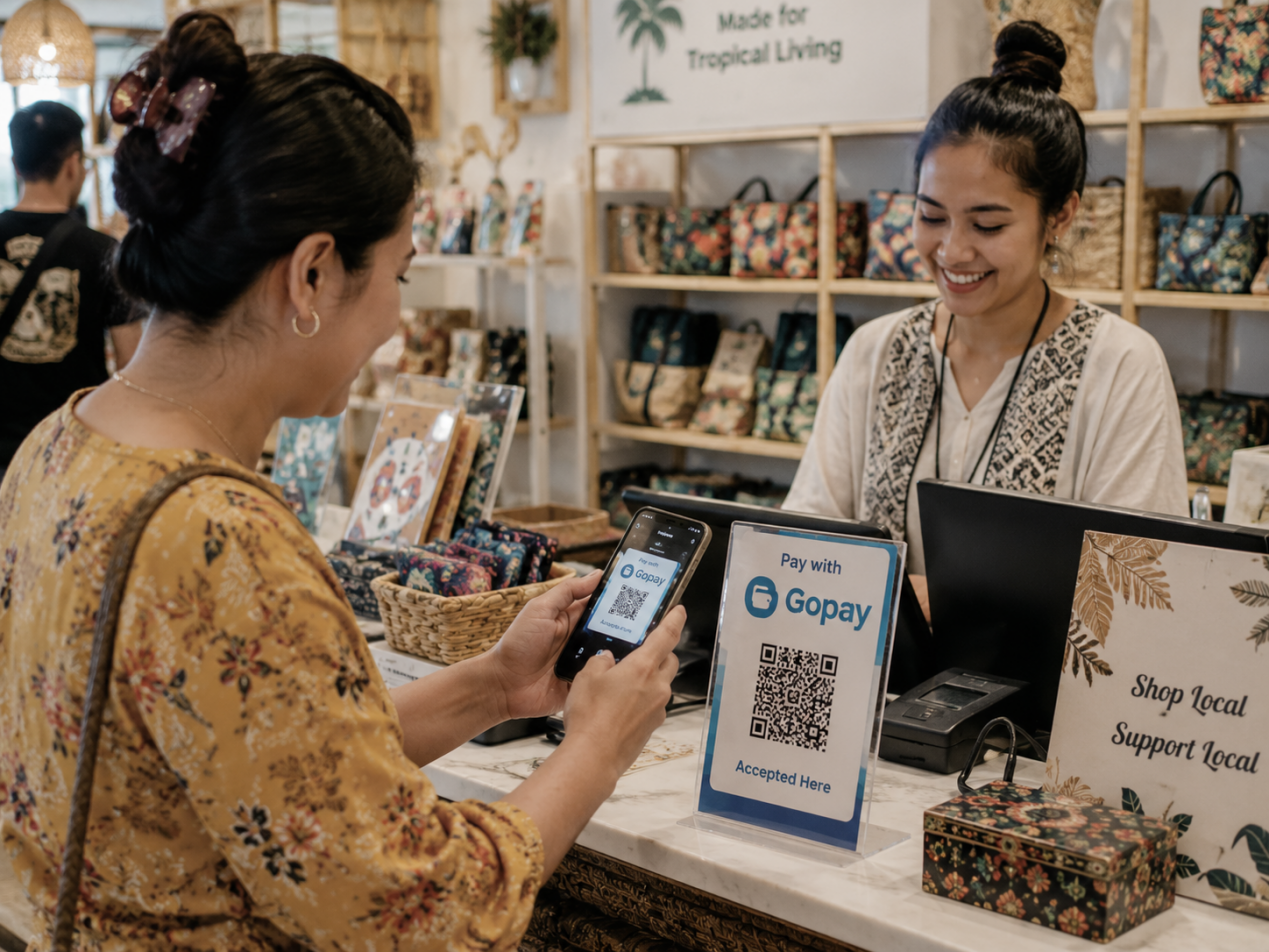
- Merchants who do business across borders: Multi-currency settlement and local payment methods are important to international merchants. Worldpay data shows that region-specific wallets increase conversion rates between 30-50%. Indian customers prefer UPI. Southeast Asians use GCash/GrabPay. And Latin American consumers choose Mercado Pago. Working capital turnover is accelerated by faster settlement cycles.
- SaaS and Subscription Businesses: Payment persistence is a key factor in recurring billing models. Digital wallets have higher authorization rates, because tokens are automatically updated when customers get replacement cards. Intelligent retry logic tries failed payments based upon historical success patterns. This reduces involuntary customer churn from 15-25%, and stabilizes monthly recurring revenue.
- Platforms, Marketplaces, and Social Commerce: Marketplaces with multiple sides benefit from wallet systems that facilitate seller payments and fee collection. Loyalty programs embedded in the website increase purchase frequency by 40%-60%. A+ Rewards, for example, distributes 300M+ coupons per year to 2.5 billion users through 11 eWallets. Digital wallet payments are completed in social commerce in just 6-10 seconds, as opposed to the 40+ second wait for cards. This boosts first-payment success from 43% up to 66%.
Cost Analysis: Wallets vs. Traditional Methods

To make a comprehensive cost comparison and truly understand digital wallet benefits, you must consider transaction fees, integration costs, operational overhead and fraud losses.
- Transaction Fee Structures: Interchange fees for credit cards range between 1.5-3.5%. International cards add 1% in cross-border fees, and 2-3% in conversion fees. SWIFT transfers can cost between $25 and $75 per transaction. Digital wallet fees, on the other hand, typically range between 0.5 and 2% when converted to transparent currency. High-volume merchants are able to negotiate rates as low as 1%.
- Integrating and Savings on Fraud: Initial API integration can cost between $10,000 and $50,000, with maintenance costs ranging from $2,000 to $5,000 per month. Platforms like Antom, however, enable integration within 30 minutes by using the Antom AI assistant. This reduces setup costs. Digital wallet tokenization can reduce merchants' revenue losses from card fraud to as little as 0.3-0.5%. Fraud reduction costs alone can pay for wallet integration within six to twelve months.
- Working Capital: The traditional settlement process takes between 3 to 5 days. Digital wallets settle within 24 hours and reduce the days of outstanding sales. This cash conversion is accelerated, which reduces the need for short-term funding. Inventory turnover ratios can be improved by 15-30%.
What is the Best Digital Wallet Solution?
The selection of the appropriate digital wallet infrastructure must be based on a systematic evaluation of digital wallet pros and cons that takes into account all critical dimensions. While digital wallet pros like fast settlement are attractive, they must be carefully weighed against integration costs.
- Geographic Coverage and API Maturity: Prioritize solutions that offer local methods your customers use. Antom's platform aggregates more than 140 payment methods in Asia, and over 120 bank transfer methods worldwide. This provides regional depth. Evaluation of API documentation, SDK accessibility, and sandbox environment. Well-designed APIs can reduce implementation times by up to 50%.
- Compliance, Risk Management and Pricing: Verify that providers have the appropriate AML/KYC capabilities and licensing. Use tools such as Antom Shield’s enterprise-grade fraud protection to ensure that the fraud prevention technology is aligned with your risk tolerance. Ask for detailed fee schedules that include conversion markups and settlement charges as well as monthly minimums. Negotiate pricing based upon projected volumes, and check contracts for hidden fees or lock-ins.
According to McKinsey & Company merchants who implement digital wallet infrastructure experience a 15-30% reduction in total payment costs within 24 months. Ultimately, unlocking the full spectrum of digital wallet benefits requires a strategic selection that aligns with business needs, rather than adopting trendy technology without economic justification.
FAQs
Q1: Am I required to set up local business entities in order to accept global digital wallets for my business?
Not necessarily. Antom can be your acquiring partner if you choose to work with them. This allows you to avoid the complex licensing and incorporation requirements of markets such as LATAM and APAC.
Q2: What is the process for refunding cross-border transactions using digital wallets?
Digital wallet refunds are routed automatically through the original network using API. They are usually settled much quicker without the need for traditional dispute or representation fees.
Q3: Can digital wallets process high-value B2B transactions?
Yes. Although consumer wallets are limited, enterprise-tier wallet infrastructure can support high-limit corporate transaction, split payouts for multiple parties, and escrow service designed specifically for B2B platform and wholesale economies.
Ready to Optimize Your Global Checkout?
Stop battling fragmented APIs, and compliance burdens. Antom Payment Architects is here to help you. Discover how our unified platform connects you to over 300 global payment methods within 30 minutes. Get started with Antom today and build your tailored payment strategy.