
Share on
Indonesia has become a significant market for online businesses, with the use of digital payments expanding rapidly. It’s a busy environment filled with local expectations, unique payment habits, and regulations that shape how your checkout should work. Selecting a payment gateway in Indonesia requires a clear view of the factors that support conversion, security, and smooth operations.
Indonesia’s commerce and payment landscape
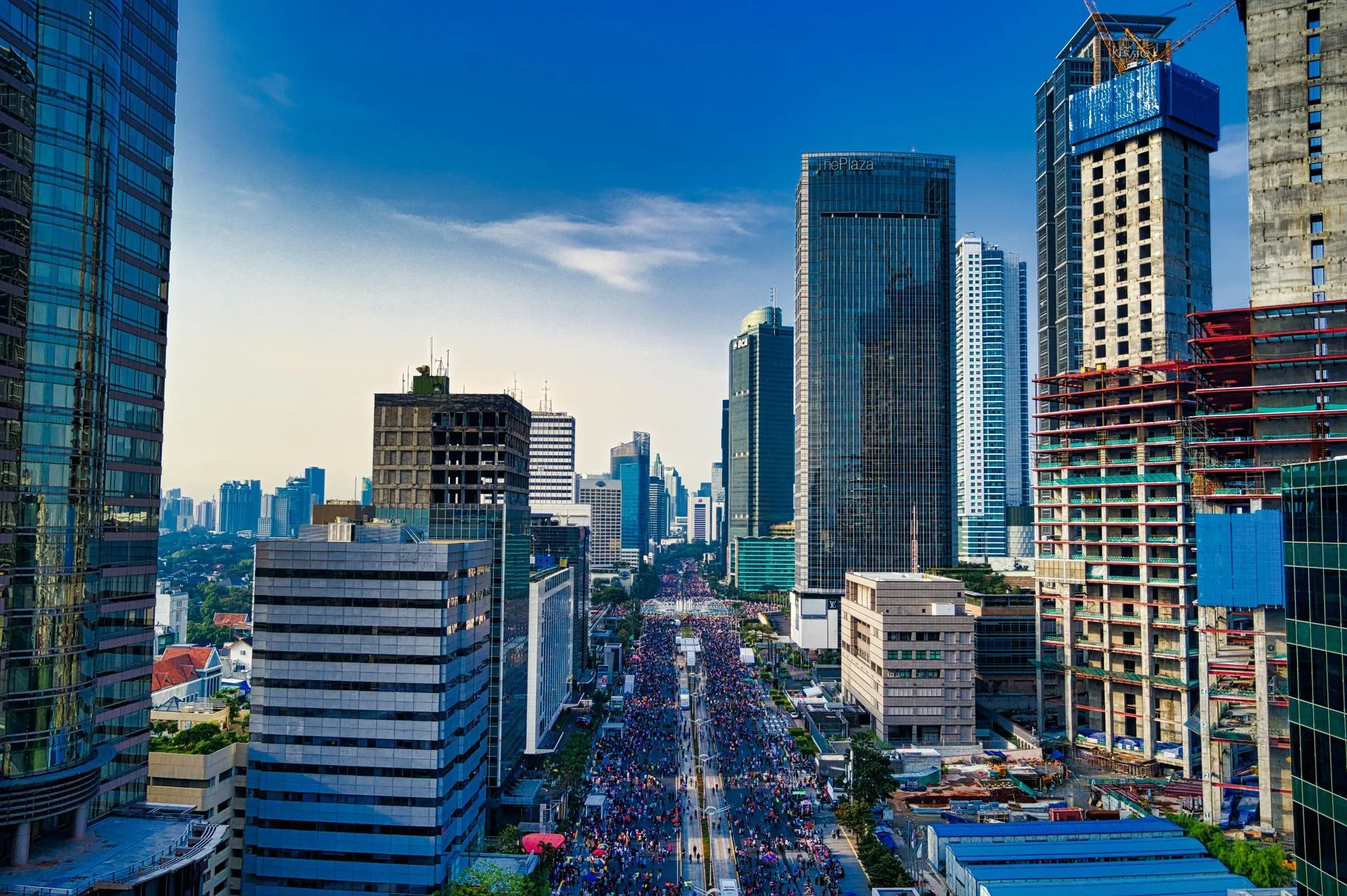
Indonesia’s online market continues to grow at a strong speed. In 2024, the country’s e-commerce market reached around USD 75 billion. Forecasts indicate growth to USD 94.5 billion in 2025 and a future projection of USD 194.2 billion by 2030. Indonesia is ranked as the third-largest e-commerce market globally. It represents more than half of ASEAN’s online business volume.
Consumer behaviour also shows a strong shift towards mobile. Around 67% of Indonesians shop through e-commerce apps. Half of them buy via social media e-shops. Nearly all online shoppers use smartphones, with a large portion completing purchases at least monthly.
Several structural drivers support this expansion. Internet penetration continues to rise, and mobile connections are estimated to exceed the size of the population. A growing middle class has also contributed to steady digital adoption.
Top payment methods in Indonesia
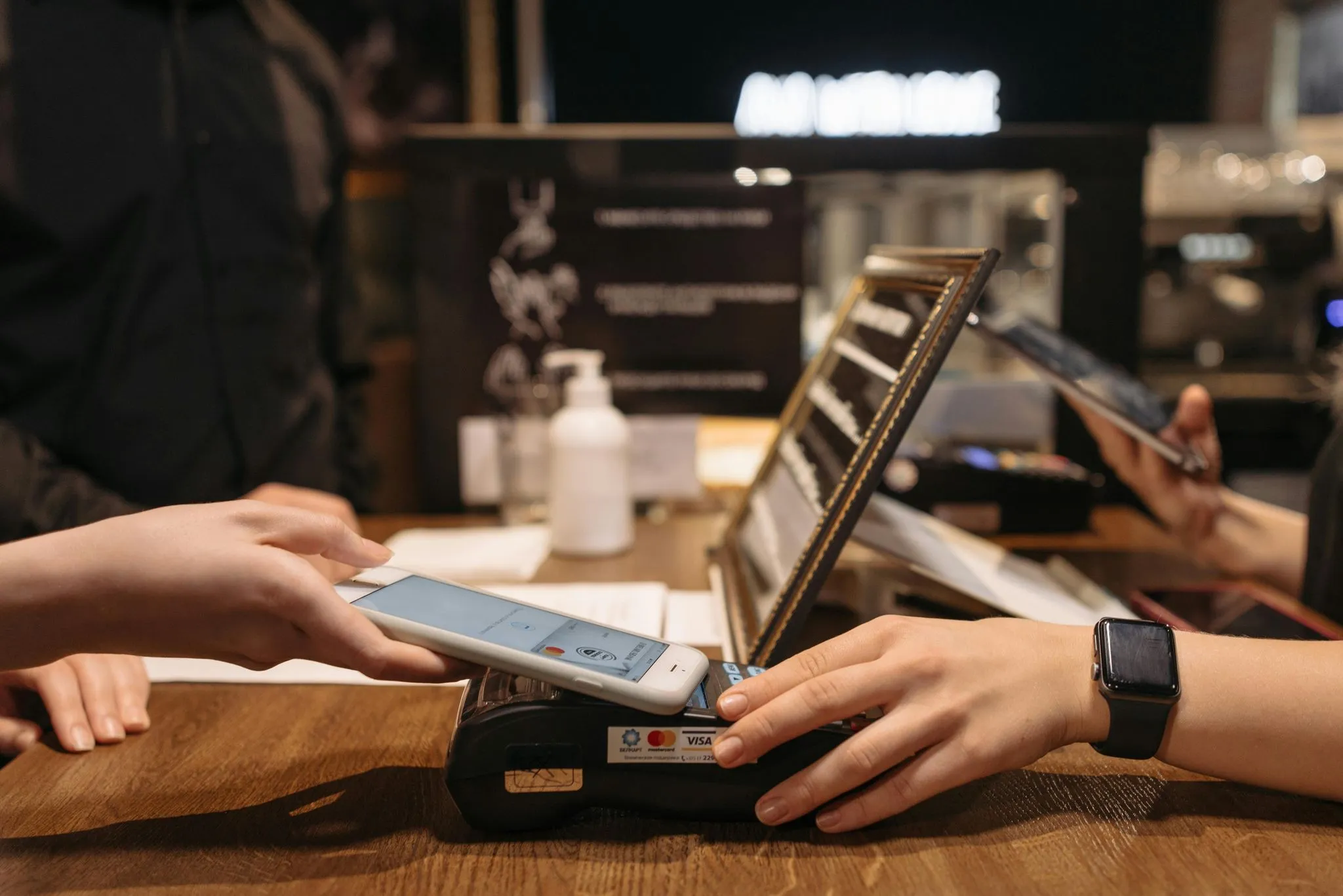
Digital payments have gained a major presence. In 2024, digital payment methods accounted for close to half of all e-commerce transactions. Among these, e-wallets held the largest share, followed by bank transfers, credit cards, BNPL services, cash-on-delivery, and debit cards.
Mobile wallets such as GoPay and DANA have expanded quickly, with GoPay alone reaching tens of millions of downloads. Cash payments once dominated but have fallen significantly over recent years.
BNPL usage continues to rise as well. Projections show the BNPL market reaching billions of dollars in value. QRIS, Indonesia’s unified QR code system, has become widely accepted, with significant year-on-year growth and more than 30 million MSMEs participating.
Real-time bank payments through BI-FAST are becoming more common, supported by customer trust in security. Merchant digitalisation is expected to continue expanding each year.
Indonesia payment gateway: Factors to consider
Security and fraud prevention
Fraud remains a concern across digital transactions. Fraudsters often target high-value categories, digital goods, and busy campaigns. You need a gateway that provides real-time monitoring, risk scoring, 3D Secure 2.0, and device intelligence. Look at how well the provider adapts to local transaction patterns.
Questions to ask:
- How does the provider detect suspicious activity in real time?
- Does the gateway offer market-specific rules for Indonesia?
- How easily can you customise risk controls to match your transaction mix?
Supported payment methods and localisation
Indonesian shoppers expect access to digital wallets, bank transfers, virtual accounts, QRIS, e-wallets like GoPay, and other local options. A gateway should support this full range and present each method in a clear, localised checkout.
Questions to ask:
- Which local payment methods are supported out of the box?
- Does the gateway keep up with new payment methods as they enter the Indonesian market?
- Can the checkout experience adjust based on the buyer’s language and device?
Integration and technical ease
A smooth integration process helps your teams move faster. Check whether the gateway provides ready-made e-commerce plugins, testing environments, and modern API documentation.
Questions to ask:
- How long does a standard integration take?
- Is there a sandbox for testing different flows?
- Which client types (web, WAP, app) does the gateway support?
Fees and pricing structure
Every provider uses a slightly different pricing model. Understand the key components to compare costs transparently.
Questions to ask:
- What are the transaction fees for each payment method?
- Are there fixed fees for bank transfers or virtual accounts?
- Are there monthly or annual costs separate from transaction fees?
- Are there extra charges for refunds, chargebacks, or currency conversion?
Compliance and licensing
Payment gateways operating in Indonesia must follow local rules, including those set by Bank Indonesia. This includes licensing requirements, data handling rules, and settlement flows.
Questions to ask:
- Is the gateway licensed to operate in Indonesia?
- How does the provider manage local compliance obligations?
- Does the provider have experience with region-specific regulations?
User experience and checkout flow
A clear checkout reduces abandonment. Since most Indonesian shoppers buy on mobile, you need a checkout that loads quickly and aligns with local habits.
Questions to ask:
- How many steps does the buyer see before payment confirmation?
- Does the flow adjust automatically for mobile users?
- How does the checkout present different payment options?
Reliability, settlement, and support
Settlement speed affects your cash flow. Reliable support matters when you experience high order volume or need quick issue resolution.
Questions to ask:
- How fast does the gateway settle funds to your preferred currency?
- Is customer support available during peak Indonesian sales periods?
- What is the provider’s track record for uptime?
Scalability and growth
If you expect to expand in Southeast Asia or handle rising transaction volumes, choose a gateway that can scale with you.
Questions to ask:
- Can the provider manage significant transaction spikes?
- Does the provider support cross-border payments?
- How easily can you add new markets or payment methods?
Indonesia payment gateway fees: What you’re not being told
Understanding the full cost is crucial for accurate financial planning. Since payment method mixes differ, your effective cost per transaction depends on how your customers choose to pay.
- Transaction fees vary by method. Card payments often carry a percentage plus a fixed fee. Digital wallets and QRIS may use alternative models.
- Bank transfer and virtual account fees are often fixed per transaction. These can add up if you process many smaller orders.
- Subscription or monthly fees may apply depending on the provider’s pricing structure.
- Setup or installation charges may be required for complex integrations.
- Hidden or extra fees may arise from chargebacks, refunds, FX conversion, or settlement delays. Longer settlement times can affect your available cash and act as an indirect cost.
- VAT at 11% applies to many services in Indonesia. Review invoices carefully to understand whether fees already include VAT.
- Currency and cross-border fees matter if you accept foreign cards or currencies. You should check how the gateway handles the conversion.
- Volume discounts may be available if your transaction levels reach certain thresholds.
Practical tips for online merchants expanding to Indonesia
- Prioritise local payment methods and test them before launch.
- Localise your checkout with familiar payment names, simple prompts, and mobile-friendly layouts.
- Prepare for high mobile usage by reducing loading times.
- Understand regulations early to avoid delays later.
- Monitor settlement times to protect your cash flow.
- Plan for key seasonal events such as 11.11, 12.12, Harbolnas, Ramadan promotions, and pay-day shopping.
- Keep in mind that certain categories still see higher use of cash-on-delivery.
Conclusion
Selecting the best payment gateway for Indonesia requires a practical view of buyer behaviour, local payment preferences, compliance needs, and the performance you expect from your provider. One final reminder: keep reviewing your payment setup even after launch. Indonesia’s digital payment habits change quickly, and regular checks help you catch gaps early, adjust methods that underperform, and stay aligned with buyer expectations.