
Share on
Cashless payments have moved from convenience to expectation in the United States. Whether consumers are tapping a phone at a grocery store, paying for a rideshare, or splitting a restaurant bill with friends, digital payments increasingly sit at the center of everyday commerce.
The numbers make the trend difficult to ignore. According to Pew Research Center (2024), 90% of U.S. adults own a smartphone, creating the foundation for widespread mobile payment adoption.
At the same time, payment providers, merchants, banks, and technology companies continue investing heavily in digital payment infrastructure. The result is a growing ecosystem where consumers can leave physical wallets at home and still complete nearly every transaction.
Understanding what is a digital wallet and how does it work has become increasingly important—not just for technology enthusiasts, but for anyone who shops, pays bills, or manages money digitally.
What Is a Digital Wallet?
A digital wallet definition can be surprisingly simple: a digital wallet is a software application that securely stores payment credentials and allows users to make electronic transactions using a smartphone, computer, smartwatch, or other connected device.
A digital wallet can store:
- Credit cards
- Debit cards
- Bank account information
- Gift cards
- Loyalty program memberships
- Coupons and rewards
- Event tickets
- Transit passes
- Identification documents in certain jurisdictions
If asked to define digital wallet in one sentence, the most useful answer is this: it is a secure digital container for payment credentials and related financial information that enables fast electronic transactions.
How Does a Digital Wallet Work?
Understanding the digital wallet meaning requires looking beyond the interface and examining what happens behind the scenes during a transaction.
At a basic level, a digital wallet works by securely storing payment credentials, verifying the user's identity, and transmitting payment information to merchants or recipients when a transaction is initiated.
While the process happens in seconds, several technologies work together behind the scenes to make payments both convenient and secure.
Storing Payment Information Securely
When a user adds a credit card, debit card, or bank account to a digital wallet, the wallet does not simply save the payment information in the same way a notes app stores text. Instead, the payment provider verifies the account and typically replaces the actual card number with a unique digital token.
This process, known as tokenization, helps protect sensitive payment information. During future transactions, the token is used instead of the real card number, reducing the risk of payment credentials being exposed if transaction data is intercepted.
For users, this means payment methods can be stored once and used repeatedly without manually entering card details for every purchase.
Making Payments In-Store
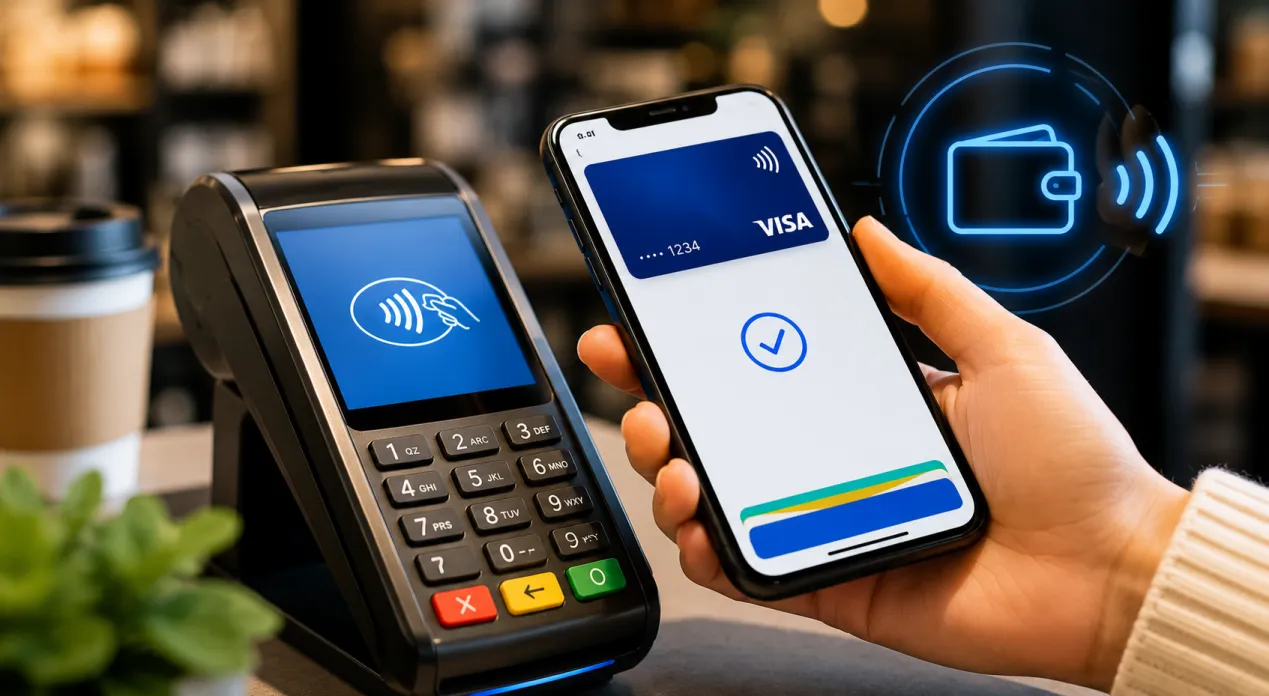
When a customer taps a smartphone or smartwatch at a contactless payment terminal, the digital wallet communicates with the terminal using Near Field Communication (NFC) technology. Before payment information is transmitted, the wallet typically verifies the user's identity through Face ID, a fingerprint scan, or a device passcode.
Once authentication is completed, the wallet sends a tokenized payment credential to the merchant's payment system. The payment network and issuing bank then authorize the transaction, often within a few seconds.
From the user's perspective, the process feels simple: tap, authenticate, and pay. Behind the scenes, multiple security checks occur before the transaction is approved.
Paying Online or In-App
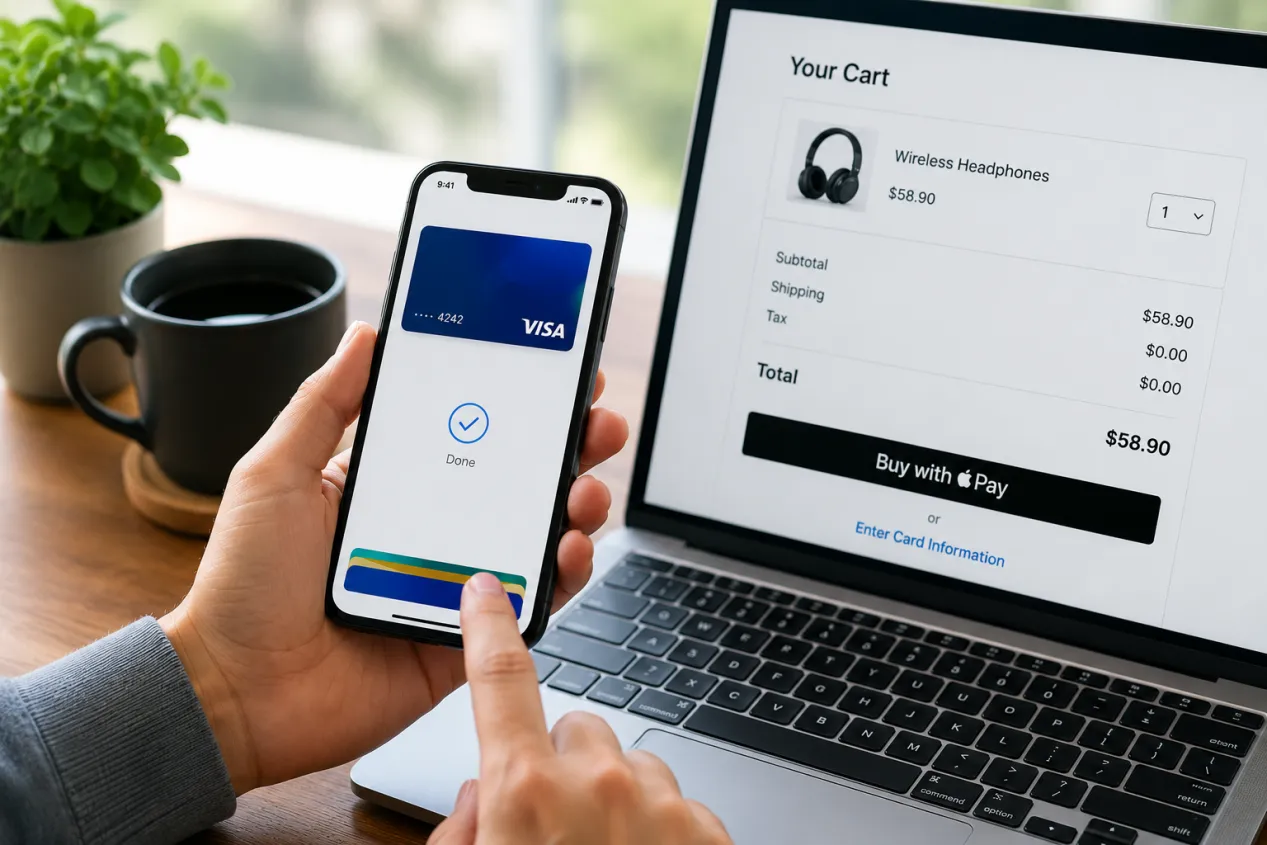
For online purchases and in-app payments, the digital wallet retrieves previously stored payment credentials and securely shares the necessary payment information with the merchant. Instead of requiring users to enter card numbers, billing addresses, and security codes manually, the wallet handles this process automatically after authentication.
The payment is then routed through the appropriate payment network and financial institution for authorization, just as it would be during a traditional card transaction.
This streamlined process helps reduce checkout friction while allowing users to complete purchases more quickly across websites and mobile applications.
Peer-to-Peer (P2P) Transfers
When a user sends money to a friend or family member through a digital wallet, the wallet first identifies the funding source linked to the account, such as a bank account, debit card, credit card, or stored wallet balance.
The platform then processes the payment instruction and transfers funds to the recipient's account according to its settlement process. Depending on the provider and funding method, transfers may be completed instantly or within a few business days.
For consumers, P2P functionality eliminates many of the traditional steps involved in transferring money, making it easier to split expenses, reimburse friends, or send funds directly from a mobile device.
Types of Digital Wallets Explained
Not all digital wallets operate the same way.
The differences largely depend on where the wallet can be used.
Closed Wallets
Closed wallets function within a specific merchant ecosystem.
A retailer may issue a wallet that can only be used within its own stores, websites, or services.
Examples include:
- Starbucks Rewards wallet, which allows customers to load funds and pay within Starbucks locations.
- Amazon Gift Card balances, which can be used for purchases on Amazon but not at other retailers.These wallets often provide a highly integrated customer experience but limited payment flexibility.
Semi-Closed Wallets
Semi-closed wallets can be used across a network of participating merchants.Examples include:
- Venmo balances used at merchants that accept Venmo checkout.
- PayPal balances used across PayPal's merchant network.
Users gain broader acceptance than with a closed wallet, but transactions remain limited to approved businesses.
These wallets often emerge through partnerships among merchants, payment providers, and financial institutions.
Open Digital Wallets
Open wallets offer the broadest functionality.
They are typically linked to:
- Bank accounts
- Credit cards
- Debit cards
Users can make purchases across a wide range of merchants and, in many cases, withdraw funds or transfer money.
Most major U.S. digital wallet platforms fall into this category.
Examples of Popular Digital Wallets in the US
Apple Pay
Apple Pay is integrated into Apple's ecosystem and allows users to make in-store, online, and in-app purchases using iPhones, Apple Watches, iPads, and Macs.
Its strong integration with biometric authentication has helped drive adoption.
Google Wallet
Google Wallet, formerly known as Google Pay, is Google's digital wallet platform for Android users that supports both online and in-store transactions.
The platform integrates with Google's broader ecosystem while offering secure contactless payments, digital credential storage, and a seamless checkout experience across supported devices and merchants.
PayPal
PayPal remains one of the most recognized digital payment platforms in the United States.
Its strength lies in online payments, peer-to-peer transfers, and merchant acceptance across e-commerce channels.
Cash App
Cash App combines digital wallet functionality with peer-to-peer payments, direct deposits, debit card services, and additional financial features.
Its popularity has been especially strong among younger demographics seeking simple money transfers.
Benefits of Using a Digital Wallet
The conversation around digital wallets often focuses on convenience. While convenience matters, several other practical benefits deserve equal attention.
Faster Checkout Experience
Speed remains one of the clearest advantages.
Consumers can complete transactions in seconds without handling cash, swiping cards, or entering payment details repeatedly.
For merchants, faster checkout can reduce queue times and improve customer flow.
Improved Payment Security
Security is frequently misunderstood.
Many consumers assume digital wallets introduce additional risk because payment information resides on a device.
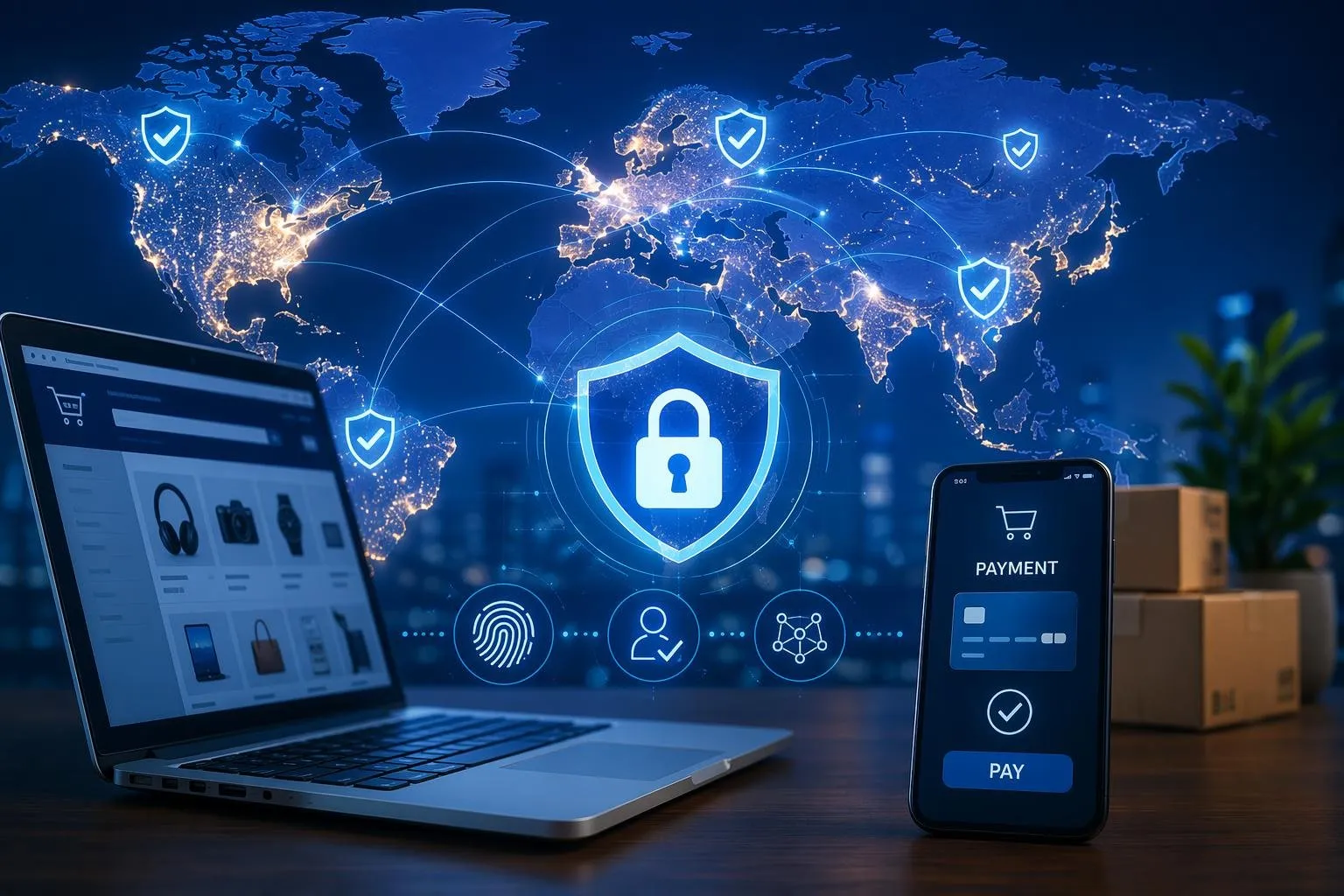
In practice, tokenization, encryption, and biometric authentication often create security layers that exceed those of traditional physical cards.
Reduced Fraud Risk
Tokenized credentials help reduce exposure to certain forms of payment fraud.
According to the Federal Reserve Payments Insight Brief (2024), digital wallets and mobile apps were used by 62% of businesses in 2023, up from 47% in 2022, reflecting growing confidence in digital payment methods.
As adoption grows, security infrastructure continues evolving alongside it.
Convenience and Accessibility
Digital wallets centralize payment methods and related credentials in one location.
Users can access:
- Multiple payment cards
- Rewards programs
- Stored passes
- Purchase histories
without carrying additional physical items.
Contactless and Touch-Free Payments
Contactless transactions have become a standard expectation.
The appeal extends beyond hygiene considerations.
Consumers increasingly value the speed and simplicity of tap-to-pay experiences in everyday commerce.
Are Digital Wallets Safe?
The short answer is yes—when used properly.
The more useful answer is that digital wallets are generally designed around multiple layers of protection rather than a single security feature.
Encryption and Tokenization
Encryption protects data during storage and transmission.
Tokenization reduces exposure of actual payment credentials.
These technologies work together to limit the value of intercepted payment information.
Biometric Authentication (Face ID, Fingerprint)
Most major wallets require authentication before authorizing a transaction.
Common methods include:
- Face recognition
- Fingerprint scanning
- Device passcodes
This additional verification layer helps prevent unauthorized payments.
What Happens If You Lose Your Phone?
Losing a phone is one of the most common consumer concerns.
Fortunately, most digital wallets can be remotely disabled through device management tools.
In many cases:
- Wallet access remains protected by biometrics.
- Payment credentials remain tokenized.
- Users can lock or erase devices remotely.
The practical risk is often lower than losing a physical wallet containing multiple cards.
Digital Wallet vs. Mobile Banking App: What’s the Difference?
Many consumers use these terms interchangeably, but they serve different purposes.
Feature | Digital Wallet | Mobile Banking App |
Primary Purpose | Making payments | Managing bank accounts |
In-Store Payments | Yes | Usually limited |
Contactless Payments | Yes | Often no |
Peer-to-Peer Transfers | Often yes | Sometimes |
Account Management | Limited | Extensive |
Bill Pay | Sometimes | Usually |
Transaction History | Payment-focused | Full banking records |
A mobile banking app focuses on account management.
A digital wallet focuses on payment execution.
The two often work together, but they are not the same product.
Final Thoughts: Should You Use a Digital Wallet?
For most U.S. consumers, the answer is increasingly yes.
The discussion should not be framed as digital wallets replacing every other payment method. That is an incomplete way to evaluate the technology.
The more relevant question is whether a digital wallet improves convenience, security, and payment flexibility in everyday situations.
For many consumers, the answer is clearly positive.
At Antom, we've seen that adoption tends to accelerate once users experience the practical benefits firsthand: faster checkout, fewer payment interruptions, and simpler credential management.
Digital wallets are no longer a niche financial technology feature. They have become a core component of how modern commerce operates.
FAQs
Which is safer credit card or digital wallet?
In many situations, a digital wallet can offer additional protection because it uses tokenization and biometric authentication. The underlying payment may still be funded by a credit card, but the wallet adds security layers that reduce exposure of actual card details.
Is a digital wallet the same as Apple Pay?
No. Apple Pay is one example of a digital wallet. Other examples include Google Pay, PayPal, and Cash App. A digital wallet is the broader category; Apple Pay is a specific product within that category.
Do digital wallets charge fees?
Most consumer purchases made through major digital wallets do not involve direct user fees. However, certain services such as instant transfers, currency conversion, or business transactions may include charges depending on the provider.
Can I use a digital wallet without a bank account?
Yes, in some cases. Certain wallets allow users to maintain stored balances or receive funds without a traditional bank account. However, linking a bank account or payment card usually provides broader functionality and easier access to funds.