
Share on
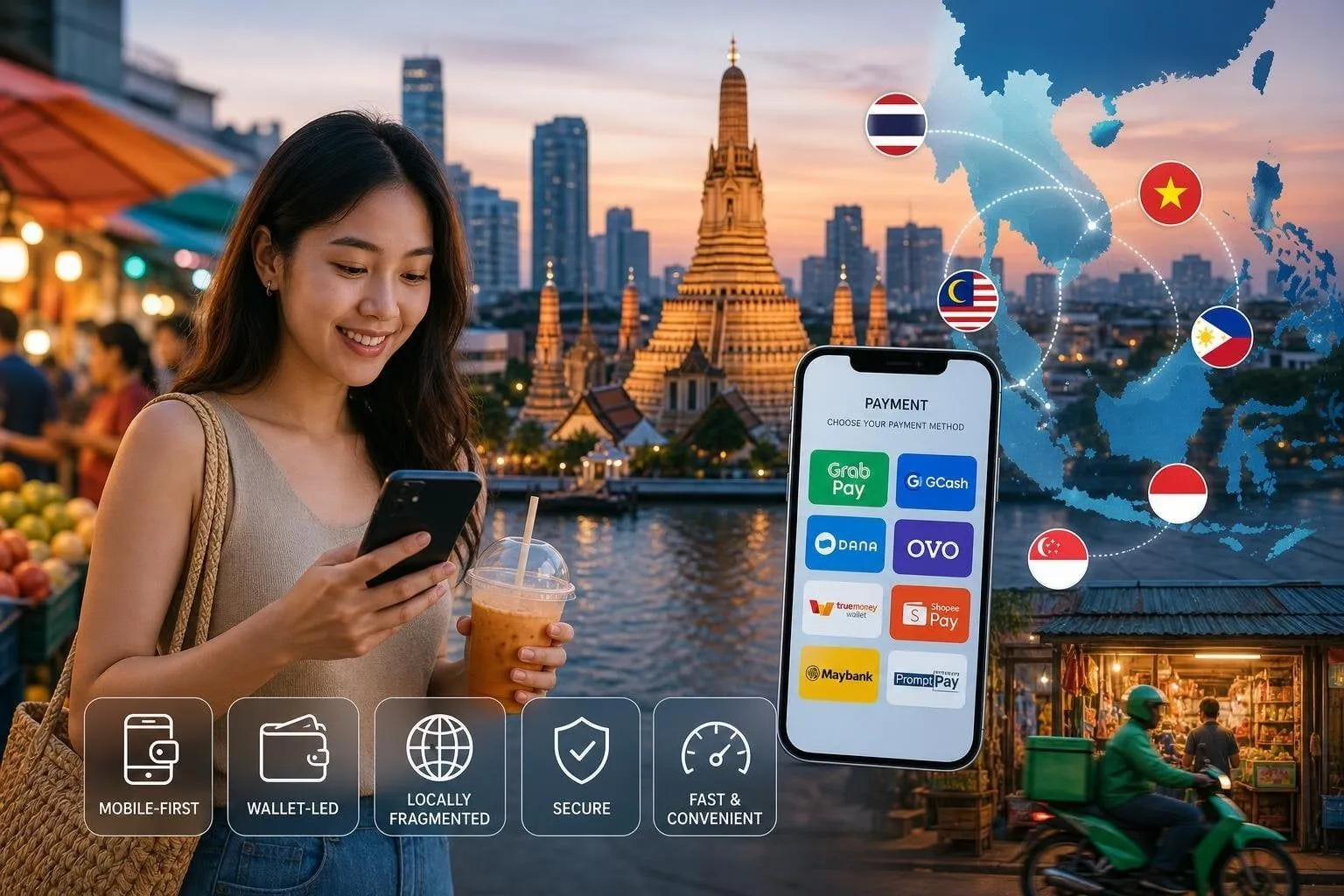
Southeast Asia is no longer a card-first growth market. It is a mobile-first, wallet-led, and locally fragmented commerce region. For cross-border e-commerce merchants, SMEs, and B2B trade enterprises, understanding Southeast Asia payment trends now affects conversion, retention, fraud exposure, and settlement efficiency.
In 2026, buyers expect familiar payment options at checkout. They also expect fast authorization, local currency clarity, and fewer redirects. Merchants that only offer international cards can lose customers before payment begins.
This guide explains the most important mobile payment trends in Southeast Asia 2026, why local methods matter, and how a Southeast Asia e-wallet aggregator strategy can simplify expansion. It also shows how Antom helps businesses support 300+ payment methods, 140+ transaction currencies, risk management, and unified fund operations.
The 2026 Southeast Asia Payment Outlook
A Mobile-First, Country-Specific Region
Southeast Asia includes highly diverse markets such as Indonesia, Thailand, Vietnam, Malaysia, Singapore, and the Philippines. Each market has different banking penetration, wallet adoption, QR standards, and local payment rails. A checkout that works in Singapore may underperform in Indonesia. A method trusted in Thailand may be unfamiliar in Vietnam.
The shared trend is clear: consumers increasingly use mobile wallets, bank apps, real-time transfers, and QR payments for daily purchases. This behavior now extends to cross-border e-commerce, digital services, travel, subscriptions, online gaming, and B2B procurement.
Research from KOMOJU highlights the importance of country-specific payment preferences across Southeast Asia. Broader e-commerce payment research from Rapyd also shows why merchants need more than card acceptance. Alternative payment method analysis from Prove further reinforces the region’s shift toward mobile-first behavior.
What This Means For Merchants
For cross-border sellers, local competitors already offer preferred wallets, bank transfers, QR options, and localized checkout flows. International merchants need to match that convenience without building separate integrations in every country.
Market Factor | 2026 Merchant Reality | Commercial Impact |
Wallet Usage | Mobile wallets are common for daily commerce. | Better wallet coverage can improve checkout completion. |
Local Transfers | Bank transfer and QR rails remain important. | Missing local rails can reduce trust and conversion. |
Cards | Cards remain relevant for travel, premium goods, and corporate purchases. | Cards should complement local methods, not replace them. |
Currency | Buyers prefer local pricing and clear settlement paths. | Poor currency handling can increase abandonment and disputes. |
Risk | Fraud patterns vary by market and channel. | Static rules may reject good users or miss attacks. |
For SMEs, the challenge is not only growth. Every new payment connection can add contracts, engineering work, compliance checks, reconciliation tasks, and customer support complexity.
Why Local Payment Methods Are Now A Conversion Standard
Local Trust Drives Checkout Completion
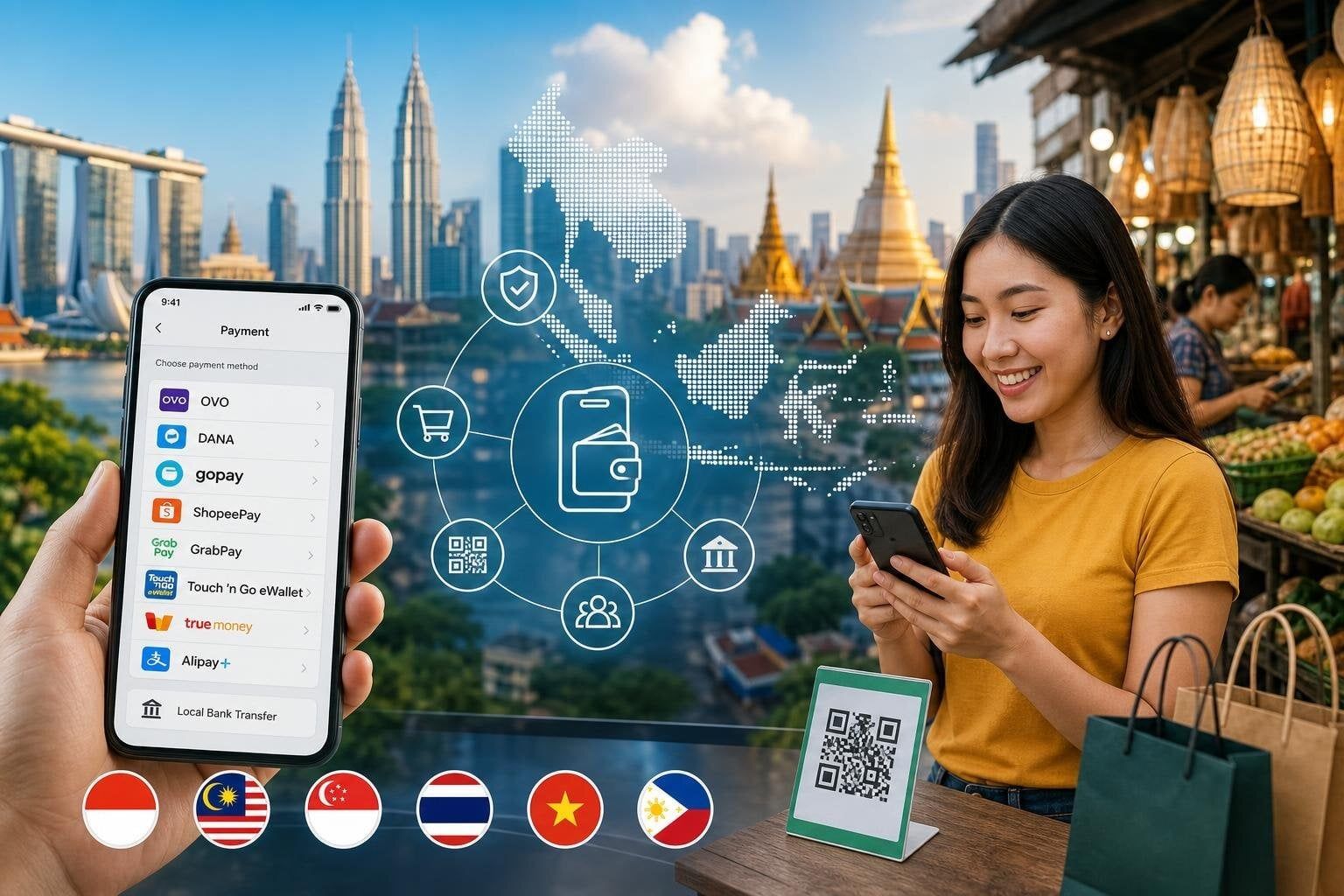
Local Payment Methods are payment options that buyers in a specific country already know and trust. Examples include domestic wallets, bank transfers, QR payment schemes, and over-the-counter payment options.
A practical example is an Indonesian buyer choosing a familiar e-wallet instead of entering card details. The wallet feels safer because the buyer already uses it for food delivery, transport, and daily purchases. A checkout without local methods is like a store that accepts only foreign currency: customers may want the product, but payment feels inconvenient.
This is why local payment methods in Southeast Asia can reduce hesitation at the final purchase step. Familiarity can improve trust, authorization, and repeat purchase behavior.
Aggregation Reduces Fragmentation
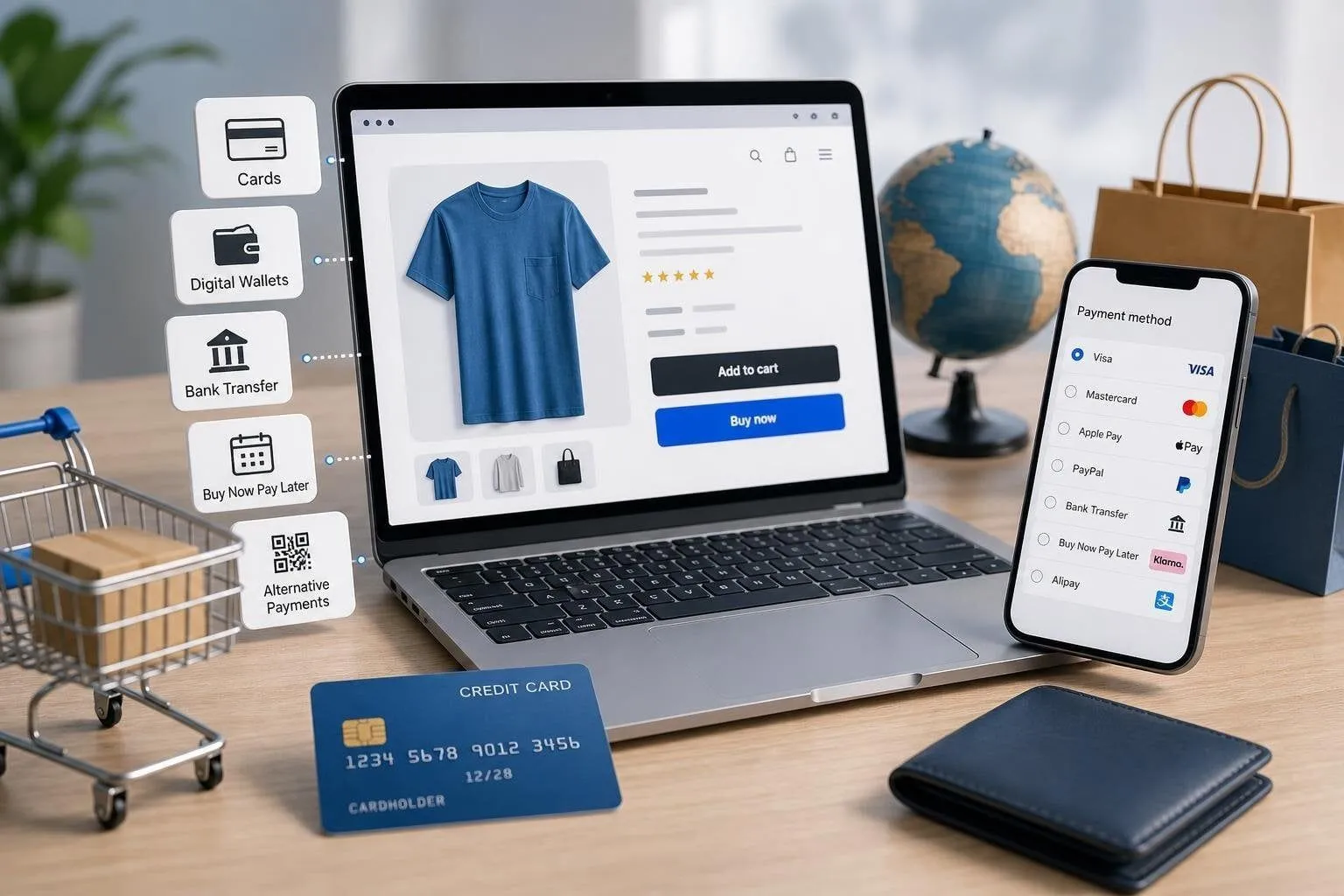
E-Wallet Aggregation means connecting multiple wallets and local payment methods through one payment platform. Instead of integrating every wallet separately, merchants use one provider to access many methods.
For example, a merchant selling skincare, apparel, digital goods, or B2B parts across Malaysia, Thailand, and the Philippines can use one aggregator connection while displaying relevant local options by buyer location.
The analogy is a universal travel adapter. You still enter many countries, but you do not carry a different plug for every destination. This matters because a Southeast Asia e-wallet aggregator approach reduces technical complexity and shortens time to market.
Orchestration Is More Than Acceptance
Payment Orchestration is the logic that decides how payments are displayed, processed, retried, routed, and reconciled. It connects the customer-facing checkout with backend payment operations. A real-world example is intelligent routing: if one acquiring path performs poorly, the system may route qualified transactions through a better-performing path.
Conversion is not only about adding more payment logos. Merchants also need reliable success rates, fraud controls, and clean settlement workflows.
How E-Wallet Aggregators Simplify Regional Expansion
Why Direct Integrations Become Expensive
One-off integrations may work for a single market. They often fail at regional scale. Each direct connection can require separate contracts, APIs, settlement files, dispute processes, and reporting formats. As merchants expand, those differences create operational drag.
Antom’s global checkout helps address this gap by aggregating 300+ payment methods across cards, wallets, online banking, and local tools. It supports 140+ transaction currencies and can prioritize payment options based on the buyer’s region. Merchants can explore supported options through Antom payment methods.
What To Evaluate In A Payment Partner
When selecting a Southeast Asia payment partner, merchants should evaluate more than headline pricing. The right provider should help improve conversion, control risk, and simplify finance operations.
Evaluation Area | What To Look For | Pitfall To Avoid |
Market Coverage | Priority countries, wallets, cards, bank transfers, and QR methods. | Choosing broad card coverage but weak local wallet reach. |
Integration Model | Unified API, hosted checkout, SDKs, and configurable display rules. | Building direct integrations for every wallet. |
Risk Controls | Real-time screening, monitoring, rules, and expert support. | Treating fraud tools as optional after launch. |
Settlement And FX | Multi-currency settlement, clear timelines, and reconciliation support. | Ignoring settlement currency until finance teams face gaps. |
Subscription Support | Tokenization, recurring billing, retries, and lifecycle tools. | Using one-time payment flows for recurring revenue. |
Support Quality | Regional expertise, onboarding help, and responsive issue handling. | Selecting only by the lowest processing fee. |
Matching The Model To Business Size
For startups entering one market, a hosted checkout with key local wallets may be enough. For SMEs expanding across three or more countries, aggregation becomes more important than point integrations. For B2B trade enterprises, settlement, FX, reconciliation, and risk management should carry equal weight with acceptance coverage.
Merchants with lean teams should prioritize a single provider that combines payment acceptance, local methods, risk tools, and fund management. Antom fits this profile for businesses that want scalable Southeast Asia coverage through one integration and one operating backend.
Optimizing Checkout For Mobile Wallets, Subscriptions, And QR Flows
Design For Mobile Completion
Payment method coverage is only part of the conversion equation. Checkout flow also matters. Buyers may abandon if they face too many redirects, unclear wallet instructions, unexpected currency changes, or failed mobile handoffs.
In mobile-heavy markets, the best checkout experience is short, recognizable, and adapted to the buyer’s device. It should display the most relevant methods first, preserve cart context, and support quick completion.
Checkout Capability | Best For | Conversion Benefit |
Local Wallet Display | Mobile-first consumer purchases. | Increases familiarity and trust. |
Tokenized Payments | Repeat purchases and subscriptions. | Reduces future payment friction. |
Scan-To-Link | Desktop browsing with mobile wallet payment. | Shortens payment flow and reduces redirects. |
Smart Retry | Renewals and failed payments. | Recovers revenue from temporary failures. |
Local Currency Pricing | Cross-border commerce. | Improves transparency and buyer confidence. |
Launch With A Focused Payment Roadmap
A practical launch plan should be disciplined:
1. Map Payment Demand Using Country Analytics: Use web analytics, order data, and market research to identify top Southeast Asia traffic sources. The expected outcome is a ranked list of countries and payment methods to prioritize.
2. Configure Local Methods Through an Aggregator: Use Antom payment methods or your platform dashboard to activate relevant wallets, cards, transfers, and QR options. The expected outcome is a checkout that shows familiar local options by buyer location.
3. Test Mobile Checkout With Real User Flows: Use device testing, sandbox transactions, and QR handoff testing to validate completion. The expected outcome is fewer redirects, clearer instructions, and lower abandonment on mobile devices.
4. Monitor Success Rates and Retry Logic: Use payment reporting, failed transaction codes, and smart retry settings to improve authorization outcomes. The expected outcome is higher payment success and better recovery of failed renewals.
Pro Tip: Segment performance by country, payment method, device, and currency instead of relying on one blended approval rate.
Support Recurring And Cross-Device Payments
Subscription models are growing across digital services, memberships, SaaS, online learning, consumer goods, and replenishment categories. These models need recurring payment capabilities, tokenized credentials, retry logic, and clear cancellation flows.
Antom subscription payment capabilities support free trials, promotional pricing, custom billing cycles, and AI-driven retry strategies. Antom token payment encrypts payment credentials and enables long-term payment tokens after user authorization.
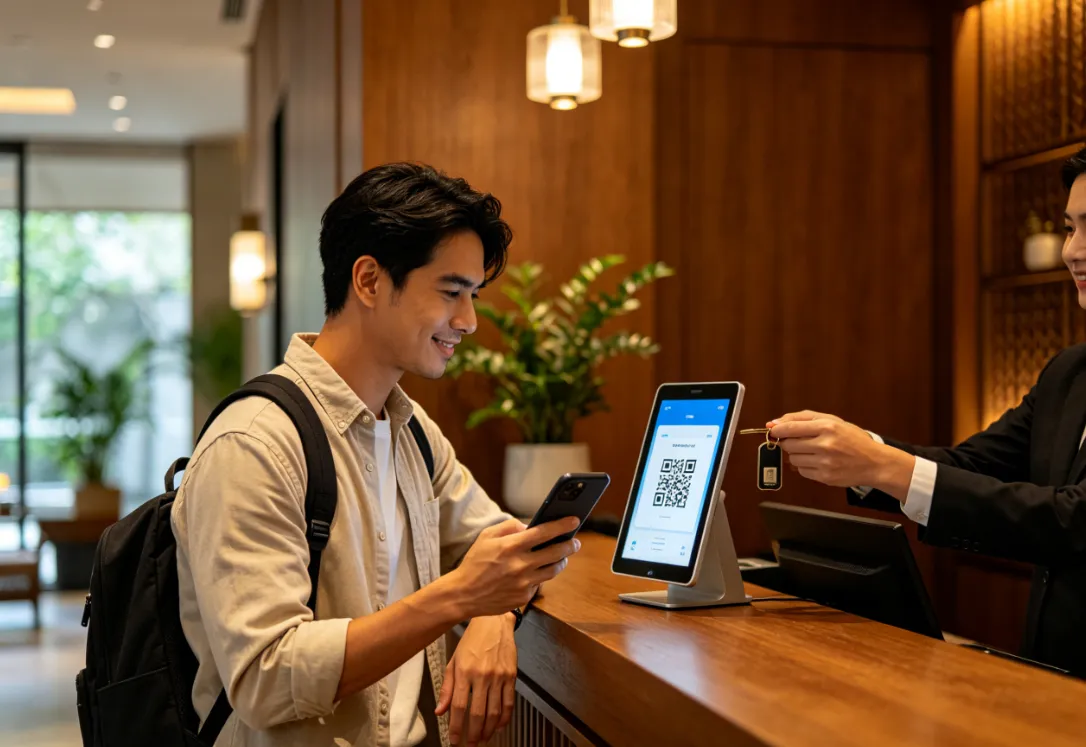
Scan-to-Link is useful when users browse on desktop but prefer paying through a mobile wallet. According to Antom brand materials, this flow can reduce a payment journey from more than 40 seconds to an average of 6 seconds, with zero redirects after scanning.
Managing Risk, Reconciliation, And Funds At Scale
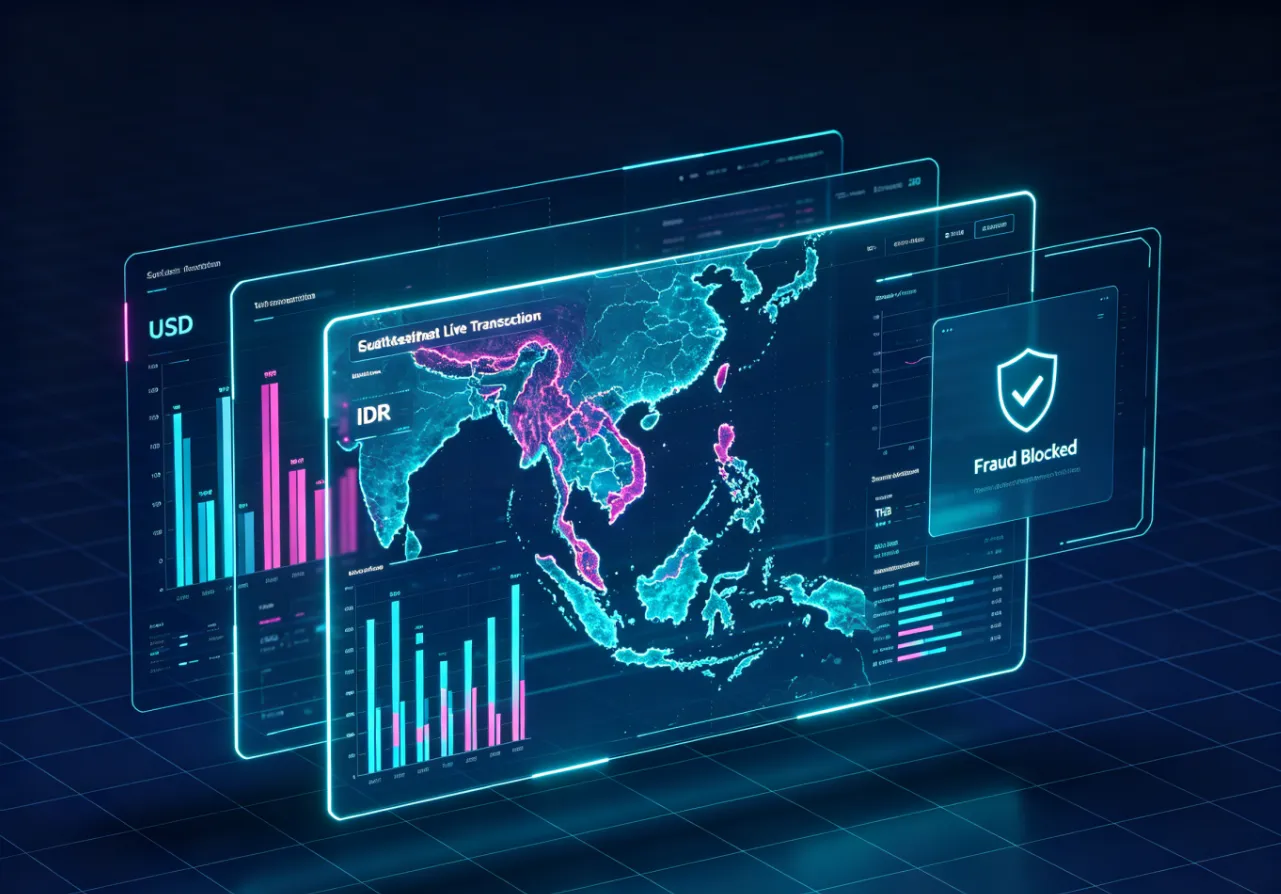
Control Fraud Without Blocking Good Buyers
Payment growth also increases exposure to fraud, account abuse, chargebacks, and synthetic identity risks. Southeast Asia’s diversity makes static rules less effective because transaction patterns vary across markets.
Antom Shield uses AI-based real-time decisioning to identify fraud signals in cross-border transactions. Basic configurations can support monitoring and baseline blocking. Premium managed operations can add expert oversight for more complex risk environments.
Risk teams should review fraud by market, product type, order value, device, and payment method. A wallet transaction for a low-value digital good has a different risk profile from a high-value B2B order.
Make Finance Operations Scalable
Many merchants focus on front-end conversion first. Finance teams often discover later that local methods create operational challenges. Different providers may deliver different settlement files, fee logic, refund rules, and timelines.
Antom provides an integrated global payment operations backend. Its brand materials state that Antom’s APO backend can reduce development cost by 70% and improve reconciliation efficiency by 90%. It also includes foreign exchange and cross-border payout capabilities.
For growing SMEs, this backend advantage is useful. Clean reconciliation helps finance teams close books faster, resolve disputes, and understand margin by market.
Pre-Launch Controls To Review
Review these controls before regional launch:
- Confirm Method-Level Refund Rules: Check refund windows, partial refund support, and customer notification behavior.
- Validate Settlement Currency: Confirm whether funds settle in local currency, preferred currency, or multiple currencies.
- Monitor False Declines: Track legitimate buyers rejected by overly strict fraud rules.
- Separate Risk By Segment: Apply different rules for new users, repeat buyers, digital goods, and high-value orders.
- Prepare Dispute Workflows: Define ownership between customer support, finance, and risk teams.
- Audit Reporting Fields: Ensure order IDs, transaction IDs, fees, taxes, and FX fields match accounting needs.
Merchants that manage both checkout and backend operations well are better positioned to scale profitably.
FAQ, Sources, And Next Steps
FAQ
Q: What Are The Most Important Southeast Asia Payment Trends In 2026?
The most important Southeast Asia payment trends are wallet adoption, QR-based payments, real-time bank transfers, local currency expectations, and integrated risk management. Merchants should treat local methods as core infrastructure, not optional enhancements.
Q: Why Do Local Payment Methods Improve Conversion?
Local methods reduce buyer uncertainty. Customers are more likely to complete payment when they see wallets, bank options, or QR methods they already use. This is especially important in mobile-first markets.
Q: Should My Business Use An E-Wallet Aggregator In Southeast Asia?
An aggregator is usually best when you sell across multiple Southeast Asian markets or lack engineering resources for direct integrations. A Southeast Asia e-wallet aggregator strategy can reduce contracts, development work, maintenance, and reconciliation complexity.
Q: Are Cards Still Important In Southeast Asia?
Yes. Cards remain important for travel, premium goods, corporate purchases, and international buyers. However, card-only checkout can underperform in markets where wallets and local bank methods dominate daily commerce.
Q: How Can SMEs Reduce Payment Integration Costs?
SMEs can reduce costs by using a unified checkout, prioritizing high-impact local methods, avoiding unnecessary direct integrations, and choosing a provider with built-in reporting. Antom’s single integration model can help merchants launch faster through Antom’s platform.
Q: How Should B2B Trade Enterprises Think About Payments?
B2B enterprises should evaluate acceptance, settlement, FX, invoice matching, payer verification, and operational reporting together. A successful payment strategy should support both buyer convenience and finance team control.
Q: How Do I Start With Antom?
Merchants can review available payment methods, learn more on the Antom homepage, or speak with the team through Antom Contact Us.
Sources And Next Steps
This article combines Antom brand materials with publicly available industry perspectives, including KOMOJU’s Southeast Asia payment overview, Rapyd’s e-commerce payment method analysis, and Prove’s alternative payment method research. Antom brand materials referenced include details on 300+ payment methods, 140+ transaction currencies, subscription tools, token payment, Scan-to-Link, Antom Shield, and unified reconciliation capabilities.
Southeast Asia rewards merchants that localize payment experience and simplify backend operations. The practical approach is not adding every method blindly. It is selecting the right local methods, displaying them intelligently, managing risk, and reconciling funds efficiently.
To explore coverage, visit Antom payment methods. To learn more about global payment solutions, visit Antom. To discuss your Southeast Asia rollout, contact the team through Antom Contact Us.