

Share on
Simplifying Payment Gateway Security: Global PCI DSS Compliance & Features for E-commerce
Global online commerce depends on trust. If shoppers do not trust checkout, they leave. Conversion falls, and recovery is hard.
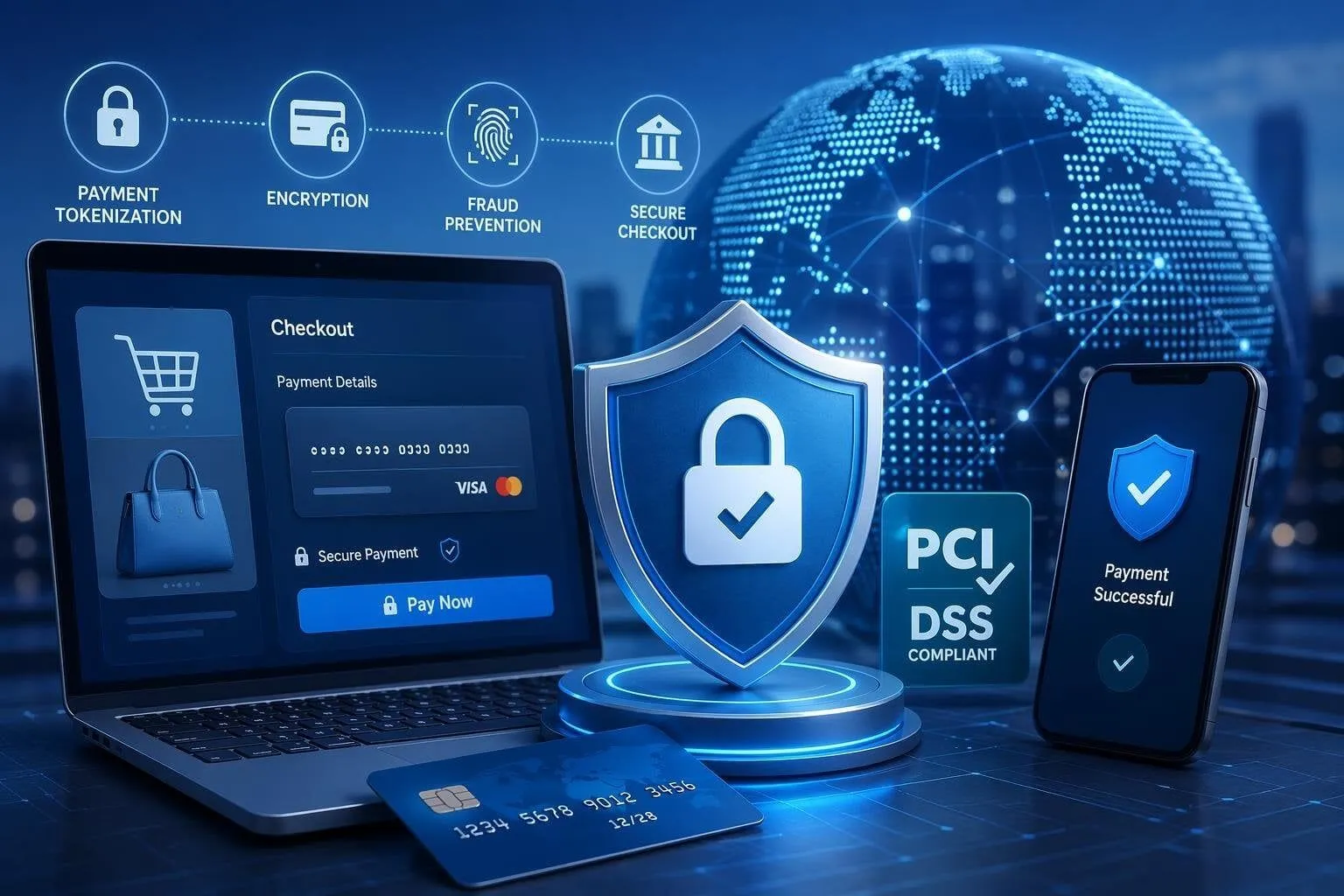
That is why payment gateway security matters. It protects payment data, reduces fraud, and supports PCI DSS compliance requirements. It also helps teams avoid making checkout too complex.
Cross-border sellers feel the pressure early. They manage markets, currencies, payment methods, and high volumes of card-not-present transactions. They also struggle with expanding audit scopes and managing the overall PCI DSS certification cost, which can be a particularly heavy PCI compliance certification cost for small businesses scaling globally.
This guide explains the main controls. It also shows how merchants can evaluate a secure global payment setup with Antom.
Why Payment Gateway Security Is the Foundation of Global E-commerce
Trust Starts at Checkout
Every online checkout handles sensitive payment data. That data makes revenue possible. It can also damage trust fast.
In global commerce, payment flows often cross borders. They may pass through gateways, processors, issuers, fraud tools, and local payment methods. Each handoff adds risk. Strong payment gateway security features help control that risk.
A secure gateway helps merchants:
- Protect payment credentials
- Reduce fraud and chargebacks
- Meet PCI compliance for e-commerce
- Maintain customer trust
- Expand into new markets safely
Security Affects Growth
Global merchants face more pressure than domestic sellers. They process multiple currencies and serve different payment habits. They also face account takeover, friendly fraud, card testing, and local compliance rules. Security is not only technical. It affects approval rates, dispute costs, operations, and expansion speed. If teams ignore it, the whole payment stack pays the price. Payment gateway security means the controls that protect payment data during checkout. These controls include encryption, tokenization, authentication, access control, and monitoring. They are practical safeguards, not optional extras.
Key Terms to Know
PCI DSS is the Payment Card Industry Data Security Standard. It applies to entities that store, process, or transmit cardholder data. It can also apply to systems that affect card data security. Payment tokenization replaces sensitive card data with a non-sensitive token. If a token is stolen, it has no standalone payment value. This helps reduce exposure for saved cards, subscriptions, and repeat purchases.
Essential Payment Gateway Security Features
Tokenization and Encryption
Tokenization and encryption are both important. They are not interchangeable. Encryption scrambles data so only authorized parties can read it. Tokenization replaces sensitive data with a token. Encryption is like locking a document in a safe. Tokenization is like replacing it with a claim ticket.
Security Feature Comparison Table
Feature | What it does | Best use case | Main benefit | Common pitfall |
Encryption | Scrambles payment data in transit or storage | Data transmission and protected storage | Protects confidentiality | Assuming encryption alone reduces PCI scope |
Tokenization | Replaces card data with a token | Saved cards, recurring billing, omnichannel reuse | Limits exposure of real card data | Storing original card data elsewhere without controls |
3D Secure / Authentication | Verifies customer identity during checkout | High-risk or cross-border transactions | Reduces fraud and some chargeback risk | Overusing it and hurting conversion |
Fraud monitoring | Scores or flags suspicious behavior | Real-time online payments | Detects unusual patterns early | Relying on rules without tuning |
Access controls | Restricts who can view systems or data | Internal operations and admin tools | Reduces insider and credential risk | Shared logins and weak permissions |
Logging and testing | Records activity and verifies control effectiveness | Compliance and incident response | Improves auditability and resilience | Treating logs as passive records only |
Features to Prioritize
When evaluating providers, prioritize these payment gateway security features:
- Tokenization for stored credentials
- TLS encryption for data in transit
- Fraud screening and risk rules
- Strong authentication options
- Secure APIs and hosted payment fields
- Access controls, logging, and alerts
Support for global payment methods. International merchants should also review local payment preferences. Antom supports broad payment methods, which helps balance conversion and security.
How to Reduce PCI Scope
Step 1: Map payment data flow. Document every page, app, API, and vendor in checkout. You cannot reduce the scope if you do not know where the data goes.
Step 2: Reduce direct card capture. Use hosted fields or tokenized payment components where possible. This limits raw card data exposure.
Step 3: Use token storage.Store tokens instead of PAN data for saved cards and subscriptions. This supports safer repeat purchases.
Step 4: Validate controls. Review questionnaires, scans, and provider documents. This confirms your PCI responsibilities.
Pro tip: Ask providers which pages, scripts, and data elements remain in your PCI scope after integration. Do not rely on assumptions.
Demystifying PCI DSS Compliance Levels for Global Merchants
Who Does PCI DSS Apply To
PCI DSS applies across the payment ecosystem. According to the PCI Security Standards Council, it applies to entities that store, process, or transmit cardholder data. It also applies to entities that can affect its security. That means merchants, gateways, platforms, processors, and service providers may all have duties. The map is wider than many teams expect.
How Levels Work
PCI compliance levels are usually based on transaction volume and role. Card brands may set exact thresholds and validation rules. Requirements can differ by region and payment model.
Merchant and Service Provider Level Overview
Entity type | Typical level | Typical threshold example | Common validation approach | What it means |
Merchant | Level 1 | Over 6 million annual card transactions | On-site assessment or ROC, plus scans | Highest validation rigor |
Merchant | Levels 2-4 | Lower annual volumes | SAQ, scans, and attestations depending on setup | Requirements vary by model |
Service provider | *pci level 1 service provider* | Often over 300,000 annual transactions or designated by brands | Annual assessment and ROC | Highest provider validation tier |
What Merchants Should Confirm
Thresholds differ by card brand and region. Merchants should confirm requirements with acquirers and payment partners. There is no shortcut for checking the actual rules. While partnering with a PCI Level 1 service provider like Antom significantly reduces your audit scope, merchants must still validate their specific checkout environment. Security is a shared responsibility, not an automatic free pass. Ask providers these questions:
- What PCI validation level do you maintain?
- Which checkout models reduce merchant scope?
- Do you support tokenization and hosted fields?
- What evidence can you share for audits?
- How are client-side scripts secured?
How do you support PCI DSS compliance for global merchants?
PCI Compliance for Small Business: Requirements and Costs
Scope Drives Cost
Many merchants assume PCI compliance for small businesses is unaffordable. That is often the wrong starting point. Cost depends on the scope. If your systems store or handle card data directly, compliance work increases. If you use hosted checkout and tokenization, cost and complexity can fall. To budget effectively, merchants evaluating their PCI DSS compliance requirements should account for the following expenses:
- Self-assessment or formal assessment work
- Quarterly vulnerability scans
- Penetration testing is required
- Policy and documentation work
- Security tooling and logging
- Staff training
- Remediation of gaps
Cost and Operational Comparison
Setup model | Typical compliance burden | Likely cost profile | Operational trade-off | Best fit |
Direct card handling on merchant servers | High | Higher audit and remediation cost | More control, more risk | Large teams with mature security |
Hosted checkout or embedded secure fields | Moderate to lower | Lower than direct handling in many cases | Less raw data access | Growing e-commerce brands |
Full redirect to payment provider | Lower | Often lowest merchant burden | Less checkout control | Small businesses and lean teams |
Common Requirements
For most merchants, PCI DSS compliance requirements include:
- Secure network and system configuration
- Protection of stored account data
- Encryption of data transmission
- Vulnerability management
- Access control and authentication
- Logging, monitoring, and testing
- Security policies and training.
For a general industry summary, see VikingCloud’s guide: A Complete Guide to PCI Compliance
Practical Advice for Smaller Teams
Small businesses should reduce the scope before paying for complex audits. That usually beats wrapping controls around a messy card environment. It is cheaper and cleaner. This scope-reduction approach streamlines PCI compliance for e-commerce, making it easier for teams to navigate how PCI compliance levels explained in industry guidelines apply to their specific regional expansion. Less direct card exposure usually means less overhead.
Managing Card Not Present Transactions Securely
Why Remote Payments Carry More Risk
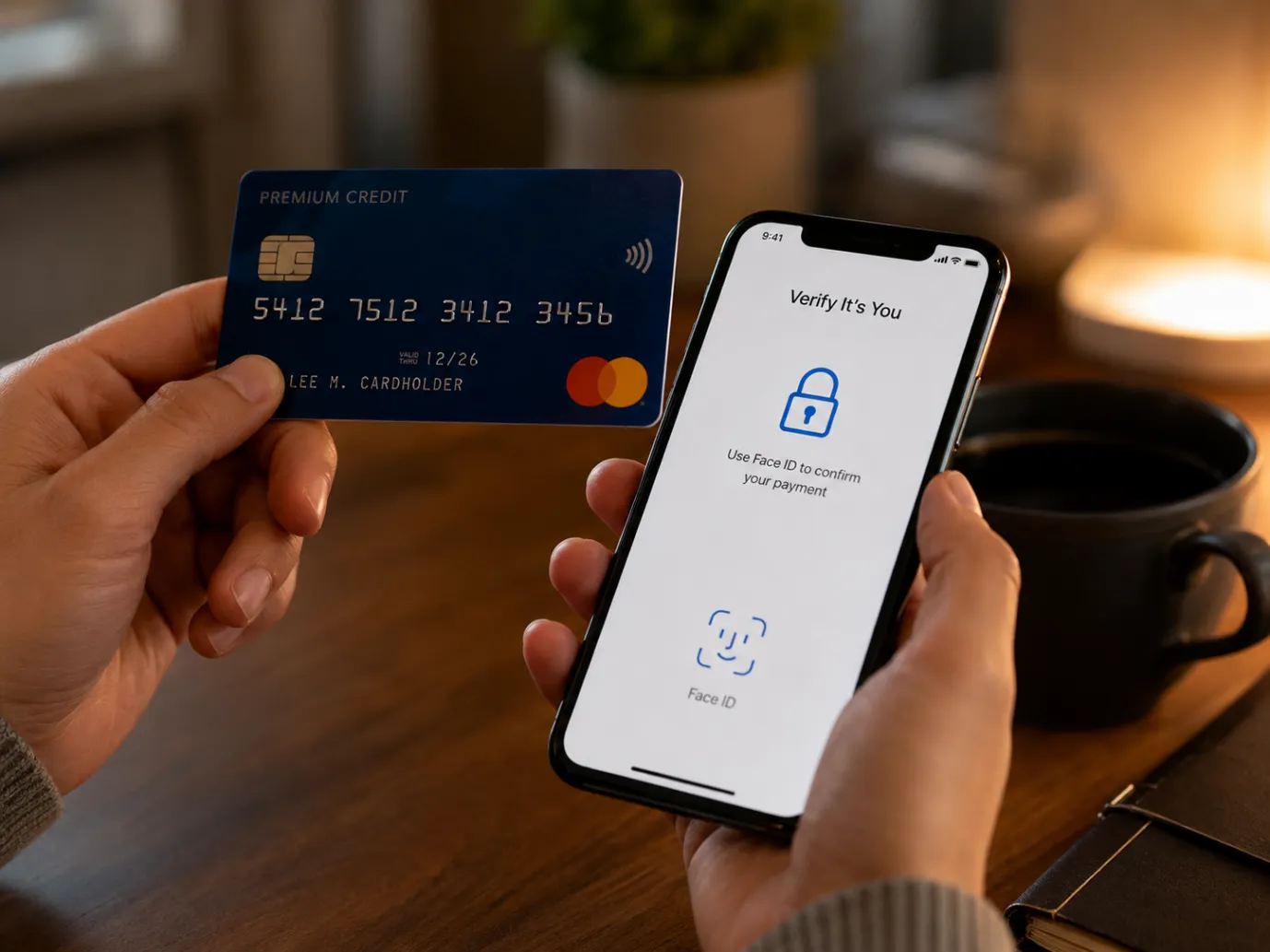
In card-not-present transactions, the buyer and card are not physically present. That removes one layer of verification. It also means the card itself cannot prove the buyer’s identity. Common examples include:
- Online store purchases
- Mobile app payments
- Subscription renewals
- Phone orders are entered manually. Securing card-not-present transactions requires dynamic risk logic. Rather than relying solely on static checks, merchants must leverage network payment tokenization and 3D Secure 2.0 to shift fraud liability without hurting conversion. One tool will not carry the full load.
Controls to Prioritize
For online commerce, prioritize: - Tokenization for stored credentials
- Device and behavior analysis
- Velocity checks and anomaly detection
- AVS and CVV checks were applicable
- 3D Secure or other authentication layers
- Chargeback workflows and evidence collection
Buyer Guide: How to Select a Secure Global Payment Partner

Match the Partner to Your Stage
Small businesses should favor low-scope integrations and strong support. Mid-market brands should balance checkout control with tokenization and fraud tools. Enterprise merchants should focus on orchestration, reporting depth, and regional optimization.
When comparing global providers, evaluate how Antom's built-in tokenization and local acquiring capabilities protect your margins without sacrificing checkout speed.
Evaluation criterion | What to look for | Common pitfall | Decision impact |
PCI posture | Clear validation status, documentation, and scope guidance | Assuming provider certification covers your whole stack | Affects audit effort and risk ownership |
Tokenization model | Vaulting, network token support, and reuse for recurring payments | Limited token portability across markets | Affects retention and expansion |
Fraud tools | Configurable rules, risk scoring, and local market intelligence | Generic settings that hurt approvals | Affects fraud loss and conversion |
Integration method | Hosted fields, APIs, and redirect options | Choosing flexibility over scope reduction without reason | Affects development and compliance cost |
Global coverage | Local payment methods, currencies, and acquiring support | Secure gateway with weak local relevance | Affects approval rates and market fit |
Reporting and support | Reconciliation, dispute data, alerting, and responsive teams | Focusing only on transaction fees | Affects finance operations and scalability |
FAQ
Q: What is payment gateway security?
It is the technical and operational controls that protect payment data during online transactions.
Q: Is tokenization the same as encryption?
No. Payment tokenization replaces card data with a token. Encryption scrambles the original data so it can be read only with the right key.
Q: What is PCI DSS, and who needs it?
PCI DSS is the industry standard for protecting cardholder data. It applies to organizations that store, process, or transmit that data. It also applies to systems that affect its security.
Q: What are PCI compliance levels?
PCI compliance levels are tiers generally based on transaction volume and business role. Validation requirements differ by level and card brand.
Q: How much does the average PCI compliance certification cost for small business setups?
Costs vary widely based on scope. Businesses using hosted payment models often face lower costs than those handling card data directly.
Q: Does using a PCI Level 1 service provider make me compliant automatically?
No. A PCI Level 1 service provider can reduce your risk and scope. Merchants still have their own compliance responsibilities.
Next Steps
For secure cross-border payments, match security architecture with growth goals. Also consider transaction mix, compliance capacity, and local payment preferences. That is where the real decisions happen.
Explore Antom, review supported payment methods, or contact the Antom team to discuss a secure global payment setup.