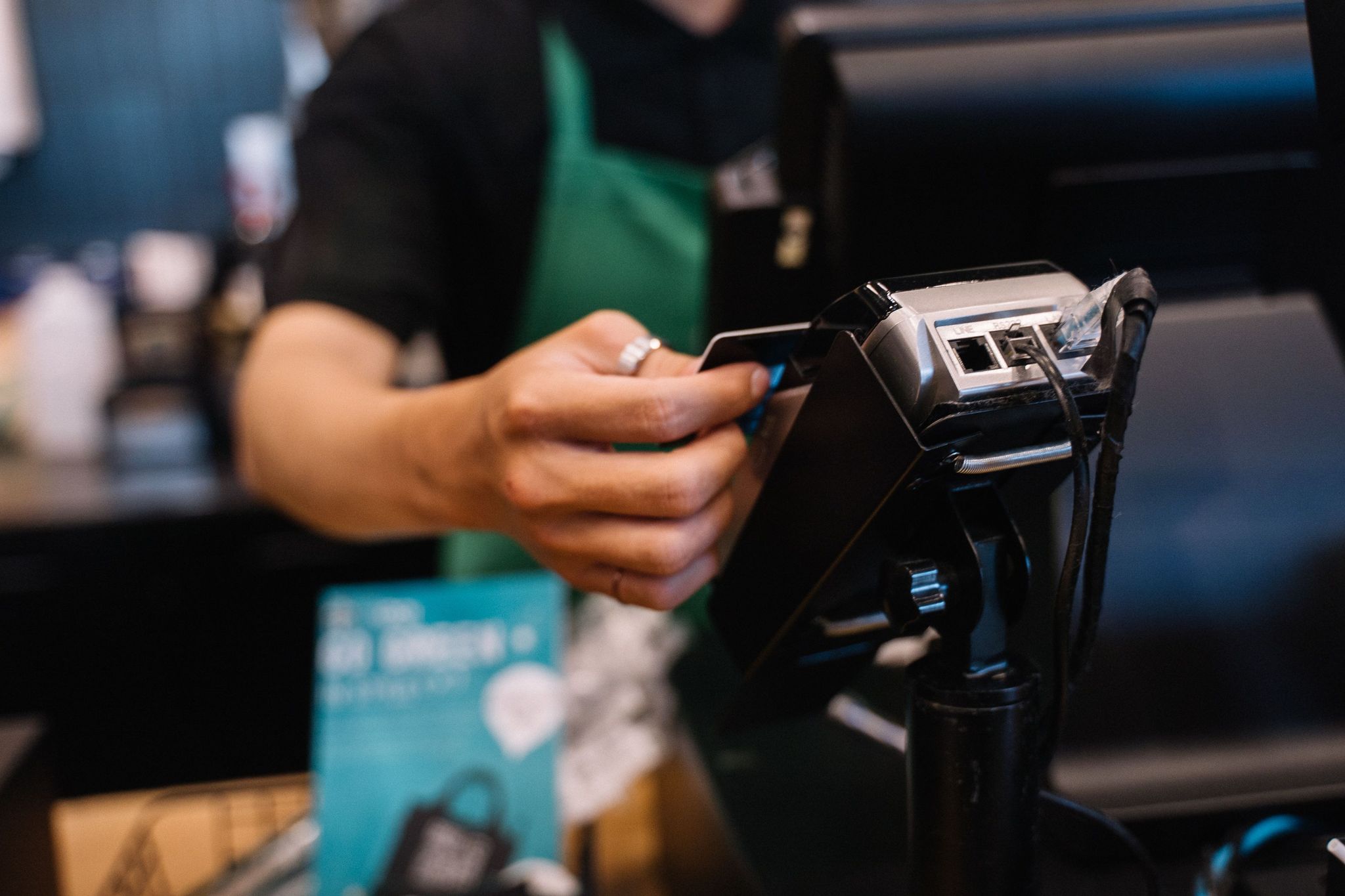

Share on
What is a retail payment system?
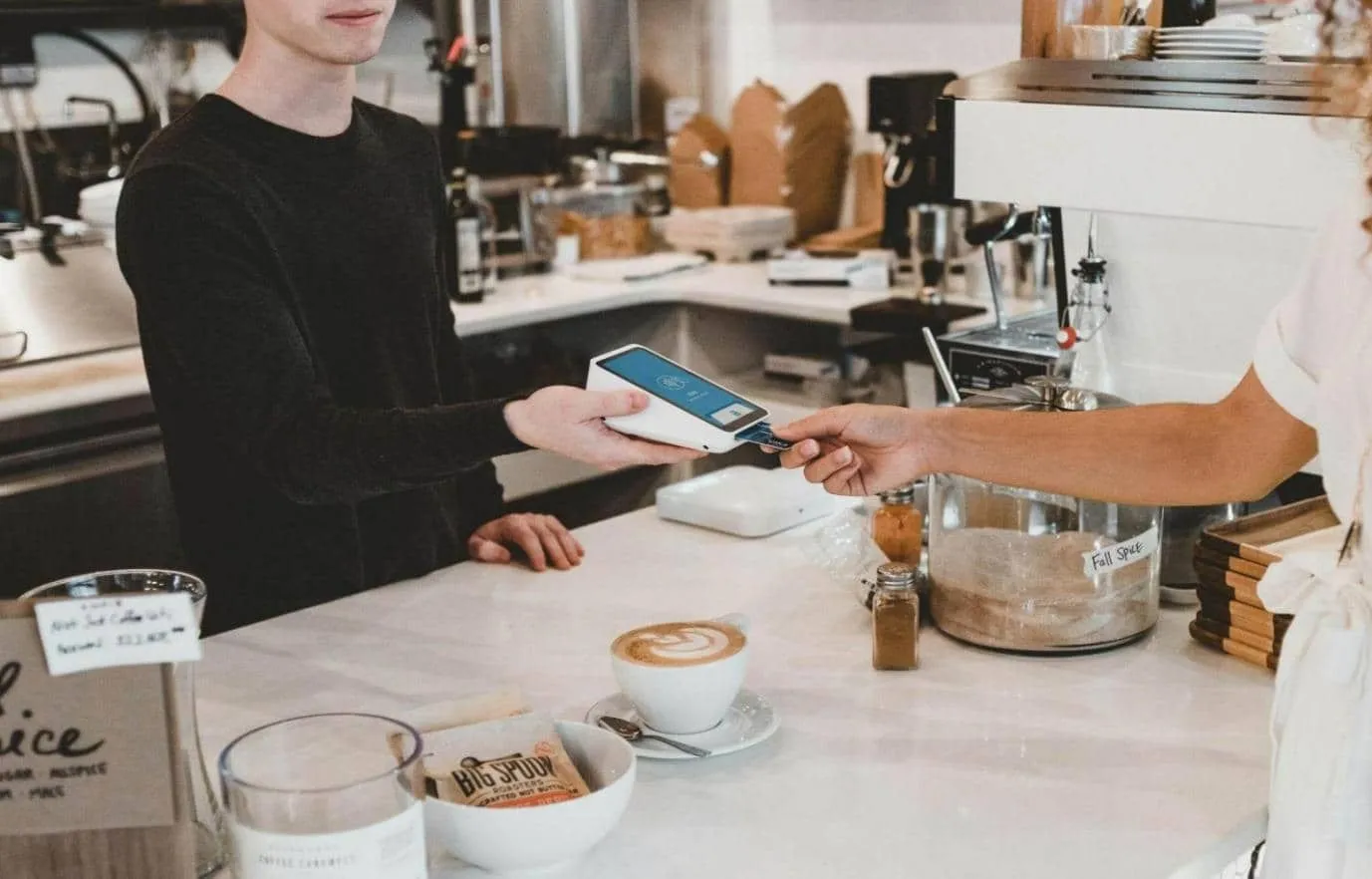
A retail payment system is the technology and infrastructure that enables merchants to accept, process, authorise, and settle payments from customers. They are the link between your customer's money and your business.
A modern retail payment system supports both in-store and online transactions while providing a secure and efficient customer payment experience. While it may look simple on the surface, it connects multiple parties, such as the customer, merchant, payment gateways, payment processors, acquiring and issuing banks, and payment networks.
As the business world advances, so do retail payment systems. Today, retail payment systems often include:
- Credit and debit cards payments
- Digital wallets
- Buy Now Pay Later (BNPL)
- QR code payments
- Online bank transfers
- Mobile payments
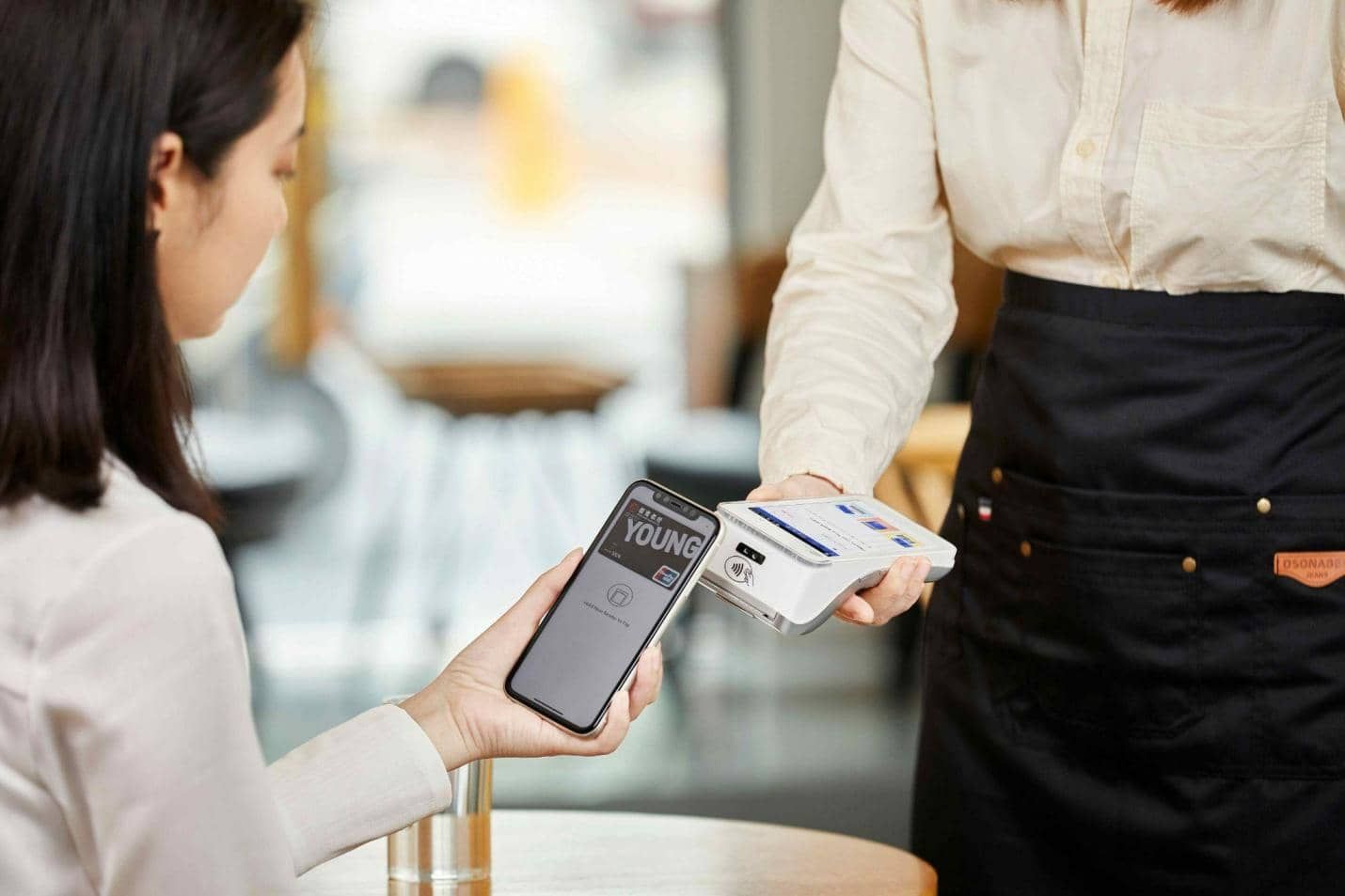
- Contactless payments
If you are a cross-border merchant, your retail payment system must also support local payment preferences across different countries and regions. Choosing the right retail payment system can improve your daily business operations and boost your revenue.
The evolution of the retail payment system
Retail payments have moved on from cash-based transactions to highly connected digital ecosystems.
In the past, retailers mainly accepted cash and checks. However, consumer preferences shifted towards electronic and digital payment methods. This led merchants to rely on payment solutions that support multiple channels and payment types.
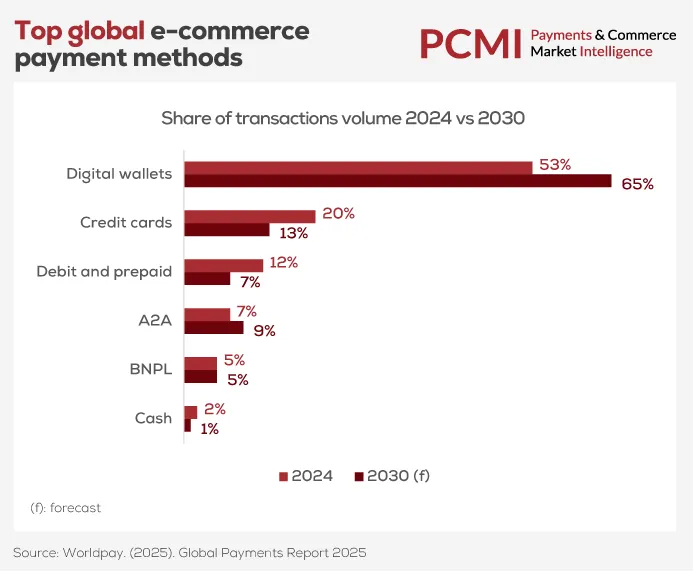
According to a report by Payments & Commerce Market Intelligence, the most-used payment method globally for e-commerce payments in 2024 was digital wallets at 53%, and is expected to reach 65% by 2030.
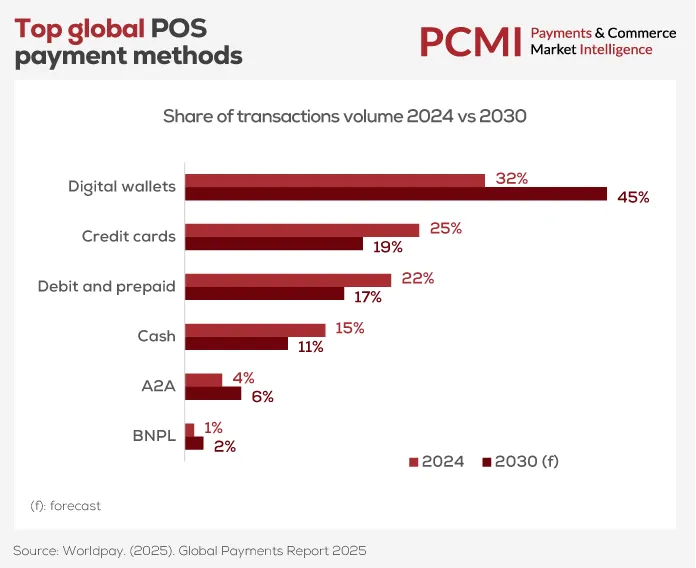
And the point-of-sale (POS) payment method with the highest share was digital wallets at 35%, expected to reach 45% by 2030.
The payment systems continue to change due to the growth of digital wallets, contactless payments, AI-powered fraud prevention, and cross-border commerce. Moreover, payment systems have become a strategic part of customer experience management rather than a simple transaction-processing tool.
Benefits of having the right retail payment system
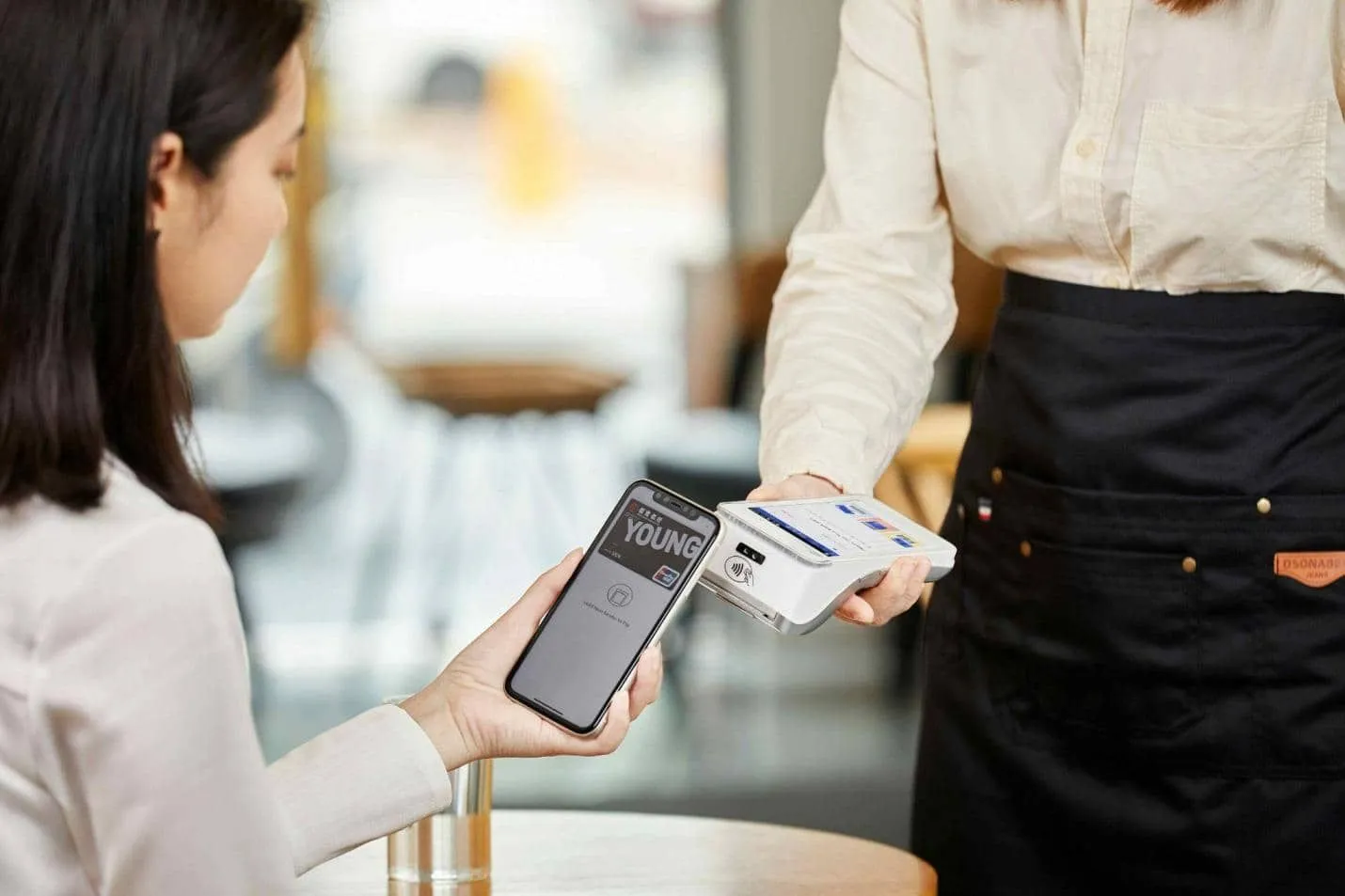
The right retail payment system will give you more benefits beyond payment acceptance. Some of its other benefits include:
Improved customer payment experience
Customers expect fast and convenient checkout experiences. When your payment system supports the customers' preferred payment methods, it will reduce checkout abandonment and improve customer satisfaction. Moreover, modern retail checkout technology like Antom allows one-click payments, digital wallets, and contactless transactions that further simplify the buying process.
Higher conversion rate
Payment flexibility will lead to more sales. Customers are more likely to complete their sale when they see familiar payment methods. This is essential for cross-border merchants, where payment preferences vary between regions and countries. Having a payment gateway like Antom that supports different payment methods will help increase your conversion rate.
Better operational efficiency
Modern payment processing systems automate most manual tasks. When you adopt the right payment system, you will have
- Automated reconciliation
- Centralised reporting
- Real-time transaction monitoring
- Faster settlements
- Simplified accounting
Your accounting team will spend less time managing payment operations and have more time to help with core business operations.
Stronger security and fraud prevention
Many businesses have been defrauded at one time or another. Having the right retail payment system will include advanced security features such as encryption, fraud detection, risk monitoring, and chargeback management. These tools help you reduce losses while protecting your customer information.
Support global expansion
Cross-border growth requires localised payment experiences. The right retail payment system for cross-border expansion will allow you to accept local payment methods, settle in multiple currencies, and comply with regional regulations.
For example, Antom provides merchants access to over 300 payment methods across 200+ markets through a single integration. This helps businesses simplify international expansion while supporting local payment preferences.
Challenges of retail payment systems
Despite their advantages, retail payment systems have some challenges.
- Payment fraud: As digital commerce advances, so does fraud. Merchants need advanced risk management tools to protect revenue and customer trust.
- Cross-border complexities: Different countries have different payment regulations, customer preferences, compliance standards, and settlement requirements. Managing these variations can be hard without the right payment gateway.
- Failed payments: Failed transactions create conflicts and reduce revenue. Cross-border merchants face higher rates of failed payments than local businesses.
- Fragmented payment infrastructure: Many businesses operate multiple channels. Having disconnected payment systems can create reporting challenges, reconciliation issues, and inconsistent customer experiences.
Factors to consider when choosing a retail payment system
Choosing the right retail payment solution requires evaluating your current business needs and long-term goals. The right solution should support today's transactions, help your business comply with changing customer expectations, and new markets.
Factors to consider when choosing a retail payment system include:
Payment method coverage
The first consideration is the availability of payment methods. Customers are more likely to complete a purchase when they see their preferred payment option. Your system should support payment methods that are popular in your target markets. The broader the payment coverage, the better it can serve diverse customer segments and maximise conversion rates.
Geographic reach
Businesses planning to expand internationally should evaluate the payment system's global capabilities. Different regions have unique payment preferences, regulations, and banking infrastructure. You should access the
- Country coverage
- Local acquiring capabilities
- Multi-currency support
- Regional payment methods
- Cross-border payment expertise
Merchants often benefit from payment systems with local payment networks as they improve authorisation rates and deliver a more localised customer experience.
Integration and scalability
The retail payment solution you choose should fit seamlessly into your existing technology stack. Complicated integrations can increase the cost and slow down operations. Ensure the system you get will integrate well with your:
- E-commerce platforms
- POS systems
- ERP systems
- Accounting tools
- CRM systems
Additionally, the system should be able to handle growing transaction volumes without affecting its performance. A scalable solution can support business growth without requiring a costly system replacement or upgrade later.
Security and compliance
Security should be one of the first things you think about when getting a retail payment system. Payment breaches can damage customer trust, lead to financial losses, and create regulatory challenges. When looking for a payment system, look for features such as:
- PCI DSS compliance
- Fraud prevention tools
- AI-powered risk management
- Tokenisation
- End-to-end data encryption
Strong security measures help protect the customer data and business revenue while supporting compliance with industry regulations.
Report and analytics
Payment data can provide valuable information to support smart business decisions. A retail payment system with advanced tools allows you to monitor performance and identify areas to improve.
A strong payment system will provide reports on the payment success rates, reasons for decline, customer payment preferences, and transaction trends. It can also show you the regional performance. This information can help you optimise checkout experiences and uncover new growth opportunities.
Total cost of ownership
Many merchants focus only on the transaction fees when comparing payment systems. However, the true cost of a retail payment system goes beyond the processing rates. You should also evaluate the setup and integration costs, chargeback fees, currency conversion fees, and ongoing operational expenses.
However, you should understand that the cheapest system is not always the most cost-effective. A slightly pricier solution that improves payment success rates and reduces operational complexity can be more valuable in the long term.
Conclusion
A retail payment system affects more than payment acceptance. It influences customer experience, conversion rates, fraud prevention, operational efficiency, and global growth opportunities.
As customer expectations continue to change, merchants must move beyond basic payment processing and adopt payment systems like Antom that support local preferences, omnichannel experiences, and international expansion.
By evaluating payment method coverage, security integration capabilities, geographic reach, and scalability. Merchants can choose a retail payment system that supports both current operations and long-term growth.
Frequently asked questions (FAQs)
What is the difference between a retail payment system and a payment gateway?
A retail payment system is the setup that manages the payment process, including payment acceptance, authorisation, processing, settlement, reporting, and security. On the other hand, a payment gateway is one component of that ecosystem. It securely transmits payment information between the customer, merchant, and financial institutions.
While a payment gateway facilitates transactions, a retail payment system provides the complete framework needed to manage payments across online and in-store channels.
Can a retail payment system support both online and in-store payments?
Yes. Many retail payment systems have multi-channel capabilities, which allow businesses to accept payments across physical stores, e-commerce websites, mobile apps, and social commerce platforms through a single solution. This creates a more consistent customer experience while providing merchants with centralised reporting, inventory synchronisation, and payment management across all sales channels.
How can a retail payment system help reduce declined transactions?
An advanced retail payment system can improve authorisation rates by supporting local payment methods, intelligent payment routing, fraud screening, and local acquiring networks. These features help ensure transactions are processed through the most efficient channels, reducing unnecessary declines and improving checkout completion rates, particularly for cross-border transactions.
Why is multi-currency support important in a retail payment system?
Multi-currency support allows customers to pay in their preferred currency, creating a more familiar and transparent checkout experience. For merchants, it can help increase international conversion rates, reduce cart abandonment, simplify global expansion, and improve customer trust by minimising unexpected exchange rate costs during checkout.