

Share on
When a customer taps a card, enters card details online, or pays through a digital wallet, the payment may look instant. Behind the scenes, however, several parties work together to authorize the transaction, move the funds, manage risk, and settle the payment to the merchant.
This process is known as merchant acquiring.
For businesses, understanding how merchant acquiring works is important because it affects payment acceptance, approval rates, settlement speed, transaction costs, chargeback exposure, and the ability to expand into new markets.
For global merchants, acquiring is no longer just a back-office payment function. It can directly influence conversion, customer experience, cross-border payment costs, settlement visibility, and market expansion strategy. This is why global payment providers such as Antom position acquiring as part of a broader payment infrastructure for businesses expanding across regions.
This guide explains merchant acquiring in simple terms: what a merchant acquirer does, how the payment flow works, who is involved, how acquirers make money, and what businesses should consider when choosing an acquiring partner.
What Is Merchant Acquiring?
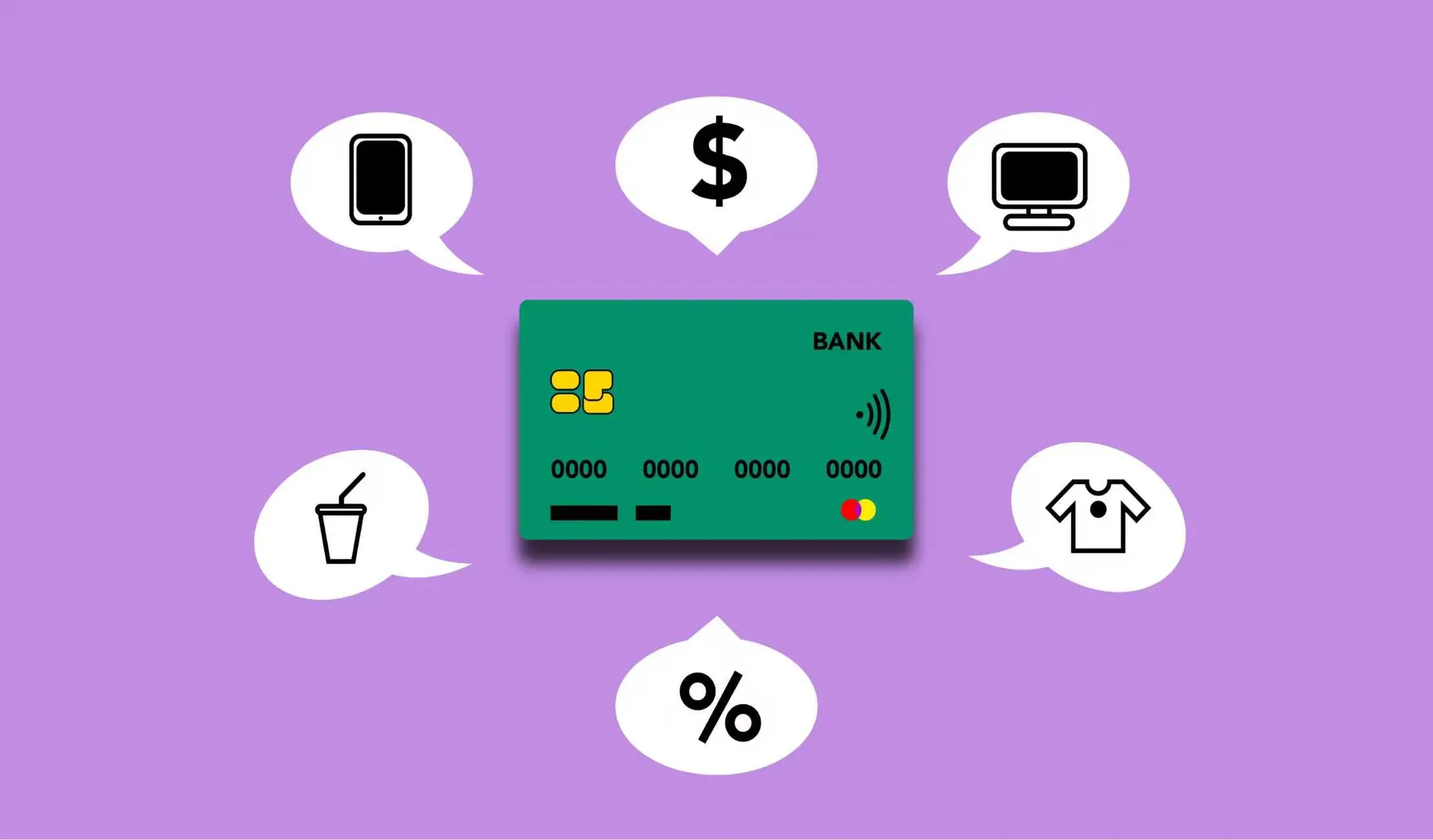
Merchant acquiring is the process that enables businesses to accept card payments and receive funds from customer transactions.
A merchant acquirer, also known as an acquiring bank or acquirer, is a financial institution or licensed payment provider that works with merchants to process card payments. The acquirer connects the merchant to card networks, helps route transactions for authorization, receives funds from the issuing side, and settles those funds to the merchant.
In simple terms: merchant acquiring is the system that allows a business to accept card payments and get paid.
Without an acquiring relationship, a business may not be able to accept card payments directly. For online businesses, acquiring is usually part of a broader payment setup that may include a payment gateway, payment processor, fraud tools, reporting tools, and settlement services.
Who Is Involved in Merchant Acquiring?
A card payment usually involves several parties. Each one plays a different role in the transaction.
Party | Role |
Customer / Cardholder | The person making the payment. |
Merchant | The business selling goods or services. |
Merchant Acquirer | The financial institution or acquiring provider that enables the merchant to accept card payments and receive settlement. |
Payment Gateway | The technology that securely captures and transmits payment data, especially for online payments. |
Payment Processor | The technical provider that routes transaction information between the merchant, acquirer, card network, and issuer. |
Card Network | The network, such as Visa or Mastercard, that connects acquirers and issuers and sets operating rules. |
Issuing Bank | The customer’s bank or card issuer that approves or declines the transaction. |
Payment Facilitator | A platform or provider that enables sub-merchants to accept payments under a shared acquiring model. |
These roles can sometimes overlap. For example, some payment companies provide gateway, processing, acquiring, fraud management, reporting, and settlement services through one platform. In other cases, a merchant may work with separate providers for each function.
How Does Merchant Acquiring Work?
Merchant acquiring can be understood in three main stages: authorization, clearing, and settlement. Although the customer experience may take only a few seconds, the full funds movement process usually continues after the initial authorization.
Step 1: The Customer Starts a Payment
The process begins when a customer makes a purchase using a card or card-based wallet. This may happen through an ecommerce checkout page, a mobile app, a point-of-sale terminal, a subscription billing flow, or a marketplace checkout.
Step 2: The Payment Data Is Sent for Authorization
The payment information is sent from the merchant’s checkout or terminal to the payment gateway or processor. From there, it is routed to the merchant acquirer. The acquirer then sends the transaction request through the card network to the issuing bank.
At this stage, the system checks whether the transaction can be approved. The issuer may evaluate whether the card is valid, whether the account has enough available funds or credit, whether the transaction appears suspicious, and whether authentication is required.
Step 3: The Issuer Approves or Declines the Transaction
The issuing bank returns an approval or decline message through the card network, back to the acquirer, processor, gateway, and merchant.
If approved, the merchant can complete the sale. If declined, the customer may be asked to use another payment method or try again. Declines may happen for many reasons, including insufficient funds, incorrect card details, issuer risk rules, card restrictions, or suspected fraud.
Step 4: The Transaction Is Cleared
Authorization confirms that the payment can proceed, but it does not always mean the merchant has received the funds yet. After authorization, transactions are submitted for clearing. During clearing, transaction details are exchanged between the acquirer, card network, and issuer. This step helps determine the final transaction amount, applicable fees, and payment obligations between the parties.
Step 5: Funds Are Settled to the Merchant
Settlement is the stage where funds move from the issuing side through the card network and acquirer, and then to the merchant. The acquirer receives the funds, deducts applicable fees, and deposits the remaining amount into the merchant’s settlement account.
Settlement timing can vary depending on the acquiring provider, market, currency, payment method, risk profile, and business agreement. Some merchants receive settlement in one or two business days, while others may have different timelines.
A Simple Merchant Acquiring Process Flow
For international payments, the flow may also include currency conversion, cross-border fees, local acquiring relationships, additional compliance checks, market-specific authentication rules, and settlement in different currencies.
Merchant Acquirer vs Payment Processor
A merchant acquirer and a payment processor are closely connected, but they are not the same thing.
A merchant acquirer is responsible for enabling the merchant to accept card payments and receive settlement. The acquirer has a direct role in the financial relationship with the merchant and may assume certain risks related to chargebacks, fraud, and merchant behavior.
A payment processor handles the technical routing of transaction data. It helps transmit authorization requests and responses between the merchant, acquirer, card network, and issuer.
Comparison | Merchant Acquirer | Payment Processor |
Main role | Enables merchants to accept payments and receive funds. | Routes and processes transaction data. |
Financial responsibility | Often manages merchant settlement and risk exposure. | Usually focuses on transaction processing infrastructure. |
Merchant relationship | Provides or supports the merchant account. | May or may not have a direct merchant relationship. |
Key impact | Settlement, fees, risk, market coverage. | Authorization routing, uptime, technical performance. |
Merchant Acquirer vs Payment Gateway
A payment gateway is the front-end technology that captures and transmits payment data securely. It is especially important for online payments.
A merchant acquirer is part of the financial infrastructure that allows the merchant to be paid.
The gateway helps move payment information. The acquirer helps make payment acceptance and settlement possible.
For example, when a customer enters card details on an ecommerce checkout page, the gateway encrypts and sends the data for processing. The acquirer then participates in the authorization and settlement flow through the card network.
Some providers combine gateway and acquiring services into one solution. This can simplify integration, reporting, reconciliation, and support.
Merchant Acquirer vs Issuing Bank
The acquirer works on the merchant side. The issuer works on the customer side.
The acquirer enables the merchant to accept payments. The issuer provides the card to the customer and decides whether to approve or decline the transaction.
This is why card payments are often described as a four-party model: cardholder, merchant, issuer, and acquirer.
How Do Merchant Acquirers Make Money?
Merchant acquirers typically earn revenue through fees charged to merchants. The exact structure depends on the provider, contract, region, transaction type, risk profile, and pricing model.
1. Merchant Discount Rate
The merchant discount rate is the total percentage fee charged on a card transaction. It may include interchange fees, card network fees, acquiring fees, processing fees, and provider margins.
2. Interchange Fees
Interchange fees are usually paid to the issuing bank. They vary based on card type, transaction type, market, merchant category, and other factors.
3. Scheme or Network Fees
Card networks may charge fees for using their infrastructure and rules system.
4. Acquirer Markup
The acquirer may add its own markup for providing acquiring services, managing risk, enabling settlement, and supporting payment acceptance.
5. Additional Service Fees
Depending on the provider, merchants may also pay fees for chargebacks, currency conversion, fraud tools, account maintenance, reporting, PCI support, or settlement services.
Common Merchant Acquiring Pricing Models
Interchange-Plus Pricing
Interchange-plus pricing separates interchange fees, network fees, and acquirer markup. This model can be more transparent because merchants can see the components of their payment costs.
Blended Pricing
Blended pricing combines multiple cost components into one simplified rate. This may be easier to understand but can make it harder to see the exact cost drivers.
Tiered Pricing
Tiered pricing groups transactions into categories such as qualified, mid-qualified, and non-qualified. This model may be less transparent because the final cost depends on how transactions are classified.
For businesses with high transaction volume, international customers, or multiple payment methods, pricing transparency can have a major impact on payment cost optimization.
What Risks Do Merchant Acquirers Manage?
Merchant acquirers do more than route payments. They also manage risk. Because acquirers are connected to the merchant side of the transaction, they may face financial and compliance exposure if merchants generate fraud, excessive chargebacks, illegal transactions, or operational failures.
Fraud Risk
Fraudulent transactions can lead to chargebacks, losses, and network penalties. Acquirers need to monitor merchant behavior and transaction patterns.
Chargeback Risk
A chargeback occurs when a cardholder disputes a transaction. If chargeback rates become too high, the merchant and acquirer may face additional scrutiny or penalties.
Credit Risk
If a merchant cannot cover refunds, disputes, or liabilities, the acquirer may face financial exposure.
Compliance Risk
Acquirers and merchants must follow card network rules, payment security standards, and relevant regulations. This may include requirements related to anti-money laundering, sanctions screening, prohibited goods, data security, and consumer protection.
Operational Risk
System outages, reconciliation errors, settlement delays, or poor transaction monitoring can affect both merchants and acquirers.
Why Merchant Acquiring Matters for Businesses
For many businesses, merchant acquiring is not just a back-office payment function. It can directly affect revenue, customer experience, and international growth.
1. Payment Approval Rates
Better acquiring setup and routing can help improve payment authorization rates. This is especially important for ecommerce, travel, gaming, digital services, marketplaces, and subscription businesses.
2. Settlement Speed
Settlement timing affects cash flow. Faster and more predictable settlement helps businesses manage operations, inventory, supplier payments, and working capital.
3. Cost Control
Acquiring fees can become a significant cost as transaction volume grows. Understanding pricing models helps merchants compare providers more effectively.
4. Market Expansion
Businesses selling across borders may need acquiring coverage in multiple markets. Local acquiring can sometimes improve payment performance and reduce unnecessary cross-border friction.
5. Risk and Compliance
The right acquiring partner can help businesses manage fraud, disputes, reporting, and compliance requirements more effectively.
How Antom Supports Global Merchant Acquiring
Antom, a brand of Ant International, provides payment solutions for global businesses that need to accept payments across markets and manage the operational complexity behind cross-border commerce.
For merchants that have moved beyond a single-market payment setup, the acquiring challenge is rarely limited to “can I accept cards?” A growing business may also need local payment methods, multi-currency processing, settlement visibility, fraud management, reconciliation, and a payment experience that works across regions.
Antom can support this type of acquiring strategy in several ways:
1. Global Reach Through One Integration
Antom gives businesses access to broad payment coverage through a single platform, helping merchants reduce the need to manage multiple local integrations across different markets.
2. Multiple Payment Methods for Local Customer Preferences
Global acquiring is not only about card acceptance. In many markets, customers prefer digital wallets, online banking, Buy Now Pay Later, or other local payment methods. Antom supports hundreds of global and local payment methods, helping merchants provide checkout options that match local customer behavior.
3. Multi-Currency Processing and Settlement Support
Cross-border merchants need to understand not only transaction fees, but also currencies, settlement timing, FX exposure, and reconciliation. Antom’s platform supports multiple processing and settlement currencies, helping merchants manage payments across regions more efficiently.
4. Unified Settlement and Reconciliation
When businesses sell across multiple markets and channels, reconciliation can become a major operational burden. Antom’s one-stop service model helps reduce manual work by supporting unified settlement and reconciliation across sales channels.
5. Payment Optimization and Risk Management
Payment success depends on more than authorization routing. Fraud prevention, risk monitoring, authentication, checkout experience, and payment orchestration can all influence the final outcome. Antom provides payment optimization and fraud management capabilities that help merchants improve security and payment performance.
Example: How Antom Fits Into a Cross-Border Acquiring Strategy
Imagine a U.S.-based ecommerce company expanding into Asia and Latin America. The company may want to accept international cards, local wallets, online banking, and regional payment methods. It may also need settlement in different currencies, fraud controls, and reporting that finance teams can use for reconciliation.
In a fragmented setup, the merchant might need separate acquiring relationships, local payment integrations, risk tools, and reporting systems in each market.
With a global acquiring platform such as Antom, the merchant can use a more unified approach:
One integration to access multiple markets and payment methods.
Support for global and local payment preferences.
A more centralized view of settlement and reconciliation.
Risk management and payment optimization capabilities built into the payment lifecycle.
A scalable payment infrastructure that can support future market expansion.
This does not remove the need to understand acquiring fundamentals. Instead, it helps businesses apply those fundamentals in a more scalable way as payment operations become more complex.
How to Choose a Merchant Acquiring Partner
Choosing an acquiring partner is not only about transaction fees. Businesses should evaluate the full payment lifecycle.
Here are key questions to ask:
1. Which markets and currencies are supported?
If your business sells internationally, check whether the provider supports the countries, currencies, and payment methods your customers use.
2. Does the provider offer local acquiring?
Local acquiring can be important for businesses with high transaction volume in specific markets.
3. How transparent is the pricing?
Ask whether the provider offers interchange-plus, blended, or custom pricing. Make sure you understand what is included in the quoted rate.
4. How fast is settlement?
Review settlement timelines, settlement currencies, payout options, reserve policies, and reconciliation reporting.
5. How strong are the risk tools?
Look for fraud monitoring, chargeback management, authentication support, and risk controls that fit your business model.
6. How easy is integration?
Consider whether the provider offers APIs, hosted checkout, plugins, SDKs, payment links, recurring billing support, and reporting dashboards.
7. Can the provider support growth?
A small business may only need basic card acceptance at first. A growing business may later need multi-market acquiring, alternative payment methods, unified reporting, and advanced risk management.
Example: How Merchant Acquiring Works in an Online Transaction
Imagine a U.S. customer buys a product from an online store.
1. The customer enters card details at checkout.
2. The payment gateway securely captures the payment information.
3. The processor routes the transaction to the merchant acquirer.
4. The acquirer sends the request through the card network.
5. The issuing bank checks the card account and risk signals.
6. The issuer approves the transaction.
7. The approval response returns to the merchant.
8. The merchant confirms the order.
9. The transaction is cleared.
10. The acquirer receives the funds and settles them to the merchant.
The customer sees a simple “payment successful” message. But behind that message is a coordinated system of authorization, clearing, settlement, and risk management.
Do Businesses Need a Separate Merchant Acquirer?
It depends on the payment setup.
Some businesses work directly with an acquiring bank and use separate providers for gateway and processing. Others use a payment service provider that packages gateway, processing, acquiring, risk tools, and settlement into one platform.
For many modern online businesses, especially those expanding across regions, an integrated payment provider can reduce operational complexity. Instead of managing multiple acquiring relationships, technical integrations, and reports, businesses can manage payments through one platform.
However, larger enterprises may still choose custom acquiring setups across different markets to optimize cost, approval rates, and settlement arrangements.
Final Thoughts
Merchant acquiring is the foundation that allows businesses to accept card payments and receive funds. It connects merchants to card networks, issuing banks, processors, gateways, and settlement systems.
For small businesses, understanding merchant acquiring helps explain where card fees come from and why settlement takes time. For growing businesses, acquiring strategy can influence payment approval rates, customer experience, fraud exposure, and international expansion.
The best acquiring setup depends on your business model, market coverage, transaction volume, risk profile, and growth plans.
If your business is expanding across markets, it may be worth looking beyond basic card acceptance. A global acquiring and payment partner can help simplify payment operations, improve visibility, support multiple regions, and create a more reliable payment experience for customers.
FAQ
What does a merchant acquirer do?
A merchant acquirer enables businesses to accept card payments. It connects the merchant to the card payment ecosystem, helps route transactions for authorization, receives funds from the issuing side, and settles payments to the merchant.
Is a merchant acquirer the same as a payment processor?
No. A merchant acquirer is responsible for the merchant’s ability to accept payments and receive settlement. A payment processor handles the technical routing and processing of transaction data. Some providers offer both services together.
What is the difference between an acquirer and an issuer?
The acquirer works with the merchant. The issuer works with the cardholder. The issuer provides the customer’s card and approves or declines transactions. The acquirer helps the merchant accept payments and receive funds.
How do merchant acquirers make money?
Merchant acquirers usually earn money through transaction fees, acquiring markups, processing fees, chargeback fees, currency conversion fees, and other service fees. The exact pricing model depends on the provider and merchant agreement.
Why is merchant acquiring important for cross-border payments?
Cross-border businesses need reliable payment acceptance across different markets, currencies, issuers, and card networks. The right acquiring setup can affect authorization rates, settlement efficiency, transaction costs, and customer checkout experience.
What is local acquiring?
Local acquiring means processing transactions through an acquiring setup in the same market or region as the customer. It can help businesses improve payment performance in key markets and reduce some cross-border payment friction.
What should businesses look for in an acquiring partner?
Businesses should evaluate market coverage, supported currencies, pricing transparency, settlement timelines, fraud tools, chargeback support, integration options, reporting, and the provider’s ability to support future growth.