
Share on
When travellers book a flight, their attention is usually on the destination, departure time, or ticket price. Payment rarely occupies much thought. Yet failures at this stage (a declined card, an authentication issue, or an unavailable preferred payment method) may easily colour the booking experience—and with the wrong shade. A payment failure is essentially a digital boarding gate that refuses entry.
Research from Nuvei found that 92% of travellers consider ease of payment an important part of the travel experience. At the same time, 59% say they are likely to abandon a booking if their preferred payment method is unavailable. For airlines selling across borders, those figures highlight the importance of integrating sterling airline payment solutions.
Why Airline Payments Present Unique Business Challenges
Airlines operate in one of the most complex payment environments in commerce. They serve customers across dozens of countries, accept payments in multiple currencies, and manage transactions that often occur weeks or months before the service is delivered.

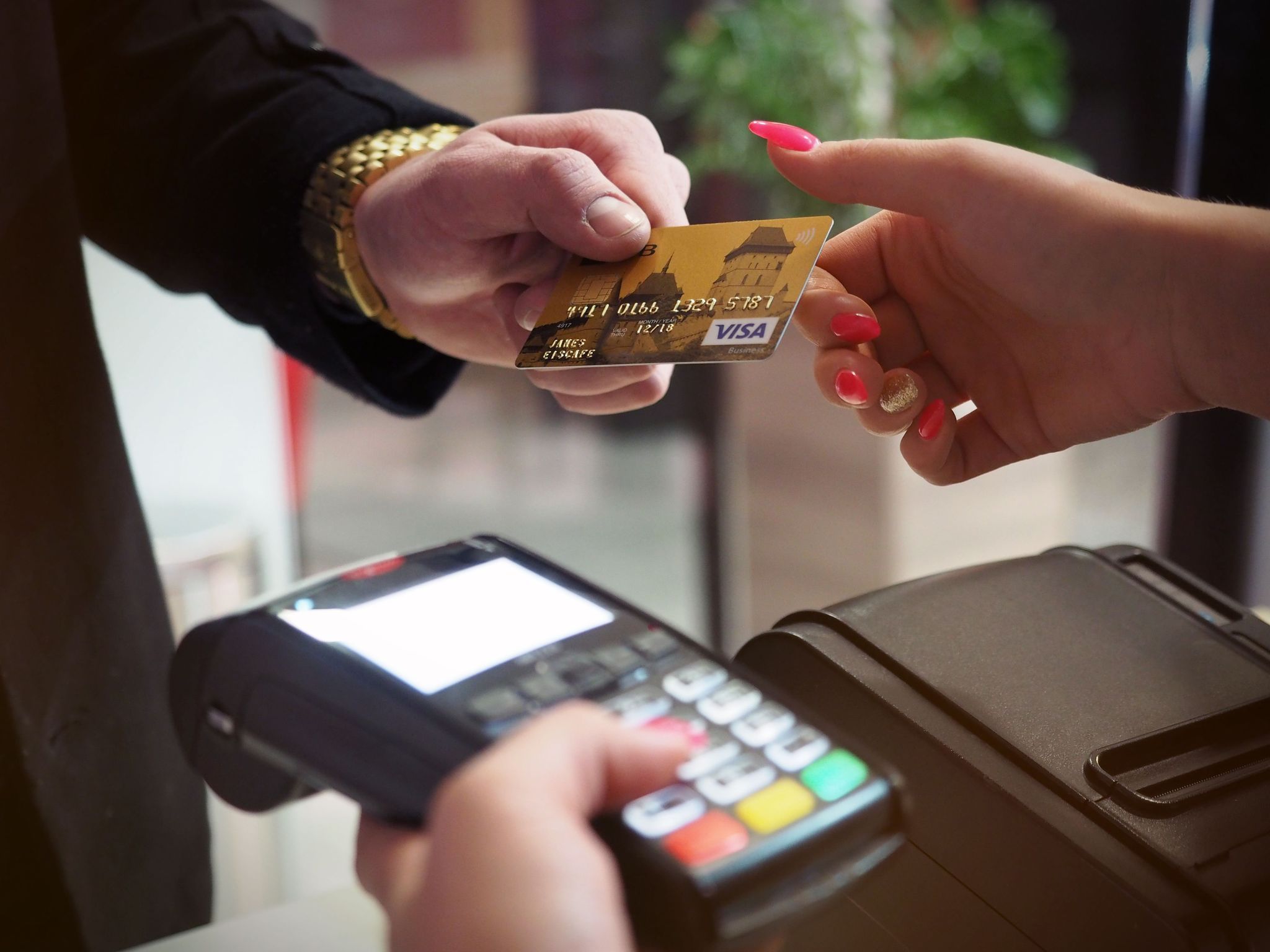
Image source: unsplash
A traveller booking a domestic flight may complete a straightforward card transaction. An international booking, however, can involve foreign exchange conversions, payment methods that vary by region and even within regions, and compliance requirements that vary from market to market. Meanwhile, FX conversions may add up to 5% in hidden fees or from rate hikes, eating into the airline’s profits.
Additionally, payment failures can have an immediate impact on airline revenue. According to the same Nuvei research cited earlier, 17% of travellers have experienced card declines while purchasing travel online. While some declines are legitimate fraud-prevention measures, others result from issuer decisions, cross-border transaction issues, or authentication challenges. Either way, a failed transaction means a lost booking 59% of the time.
Airlines also contend with fraud. Industry estimates suggest that the travel sector loses more than $25 billion annually to fraudulent activity. High-value offerings, international transactions, and digital booking channels make airlines particularly attractive targets for fraudsters using stolen payment credentials or compromised customer accounts.
The operational side of airline operations also adds its fair share of challenges to the equation. Flight changes, cancellations, and disruptions require airlines to process refunds across multiple payment methods and currencies. Finance teams must reconcile transactions originating from websites, mobile apps, travel agencies, and global distribution systems. Inevitably, as payment channels multiply, so does the complexity of managing them.
These realities highlight why airline payment strategy requires attention from airline stakeholders beyond the finance department. The ability to accept, process, settle, and reconcile payments efficiently can influence revenue performance, customer experience, and operational costs across the business.
Why Payment Localisation Matters
Travel may be global, but payment preferences remain highly local. Many airlines discover this when entering new markets. A checkout experience that performs well in the United States may encounter friction elsewhere simply because customers expect different ways to pay.
1. Thailand
Payment preferences in Thailand offer a clear example. PromptPay, the country’s real-time payment system, has surpassed 90 million registrations and processes over 74 million transactions every day. For many Thai consumers, bank-based payments using PromptPay are a familiar part of daily life. An airline relying exclusively on international card networks like MasterCard may miss opportunities to connect with those preferences.
2. Southeast Asia
The same pattern appears across Southeast Asia. Regional payment connectivity initiatives linking systems such as PromptPay, PayNow, DuitNow, and QRIS make cross-border digital payments more accessible. Malaysia recorded more than 11 million cross-border QR transactions during the first half of 2025 alone, highlighting the growing role of alternative payment ecosystems in the region.
3. Latin America
Latin America presents a different but equally important case. Brazil’s Pix platform has attracted more than 150 million users and has reshaped how consumers and businesses move money. For airlines targeting Brazilian travellers, allowing customers to pay using Pix can remove friction at checkout and create a more familiar payment experience.
4. Middle East
Payment preferences in the Middle East also illustrate how rapidly payment behaviour evolves. In the UAE, digital transactions now account for roughly 80% of payments. Consumers expect fast, seamless digital experiences, whether they are shopping online, paying bills, or booking travel.
These examples point to a broader trend. Payment localisation is not simply about adding more payment methods. It involves understanding how customers prefer to pay in each market and designing checkout experiences that reflect those expectations. Airlines that align payment experiences with local behaviours would place fewer obstacles between customers and completed bookings.
Antom’s payments and growth platform shines at allowing businesses, including airlines, to collect payment in the currency of the customer’s region. The platform supports more than 300 payment methods, including PromptPay, Pix, PayNow, etc. Thus, merchants can conveniently receive payment from over 200 markets, effectively supporting global and expanding businesses.
How Airlines Are Responding to Payment Complexity
Airlines are addressing these challenges through payment strategies that improve flexibility, visibility, and transaction performance across markets.
1. Payment Orchestration
Airlines often work with multiple payment service providers, acquirers, and regional payment partners. Managing those relationships independently can create fragmented processes and operational inefficiencies.
Payment orchestration helps consolidate these connections into a unified framework. Thus, airlines gain greater visibility over payment performance and route transactions more intelligently.
2. Smart Routing
Smart routing is particularly valuable in the cross-border payment sector. Rather than sending every transaction through the same path, airlines can direct payments through the provider or acquirer most likely to achieve authorisation success in a given market. Small improvements in authorisation rates can translate into meaningful revenue gains when applied across thousands or millions of transactions.
3. Multi-Currency Payments
Multi-currency capabilities also play an important role. Customers generally prefer to see prices and complete purchases in familiar currencies. For airlines, supporting local currencies can improve transparency during checkout while reducing unnecessary conversion friction.
4. One-Stop Analytics and Reconciliation Platforms
Behind the scenes, finance teams benefit from greater visibility into settlement flows and foreign exchange exposure. This can simplify reporting and improve cash flow management across regions.
Reconciliation is another area where airlines need their payment infrastructure to make a substantial difference. Airlines collect payments from websites, mobile applications, online travel agencies, and distribution partners. Bringing those payment streams together in a centralised environment reduces manual work and helps finance teams identify discrepancies more efficiently.
5. Risk Management
Practising effective risk management is just as important. Advanced fraud prevention tools now use machine learning and behavioural analysis to evaluate transactions in real time. These tools identify suspicious activities and neutralise them in real time without creating unnecessary barriers for legitimate customers. Achieving that balance can help airlines reduce fraud losses while preserving conversion rates.
Supporting New Payment Preferences
Traveller expectations continue to evolve, and payment behaviour is evolving alongside them. According to IATA’s Global Passenger Survey, digital wallet usage for airline purchases increased from 20% to 28% within a single year. During the same period, reliance on traditional card payments declined. The evolution reflects growing demand for faster checkout experiences and payment methods that integrate naturally into consumers’ increasingly digital lifestyles.
Buy Now, Pay Later (BNPL) has also gained traction within the travel sector. Industry research shows BNPL adoption for travel purchases rose 50% year-on-year across major travel sites, particularly among younger travellers and customers booking higher-value trips.
For airlines, the significance extends beyond consumer preferences. Integrating a wide array of alternative payment options can boost conversion rates, average booking values, and customer acquisition strategies. A traveller who hesitates to pay for a flight upfront may feel more comfortable completing the purchase when flexible payment options are available.
Real-time payments are attracting attention as well. Around the world, governments, banks, and payment providers are investing heavily in blockchain for instant cross-border payments. As these networks expand, airlines must increase access to these faster settlement processes and additional payment options for customers.
What the Ideal Airline Payment Solution Must Have
As payment ecosystems grow more sophisticated, selecting the right payment partner can have a direct impact on operational performance and customer experience.
- Coverage: Broad coverage is a fundamental consideration. Airlines operating internationally require access to a broad range of payment methods, currencies, and acquiring capabilities across multiple regions.
- Clear analytics reporting: Visibility matters just as much. Finance and operations teams need clear reporting, reliable settlement data, and reconciliation tools that simplify day-to-day management.
- Fraud prevention capabilities should also rank high on the priority list. Effective risk management protects revenue while helping legitimate customers complete transactions without unnecessary friction.
- Scalability: Payment infrastructure that supports current markets may not be sufficient for future expansion plans. Airlines entering new regions benefit from solutions that can accommodate additional payment methods, currencies, and regulatory requirements without requiring extensive operational changes.
- Localisation: Airlines must evaluate how effectively a payment partner supports localisation. Understanding local payment behaviour, regional regulations, and market-specific requirements can make expansion efforts significantly smoother.
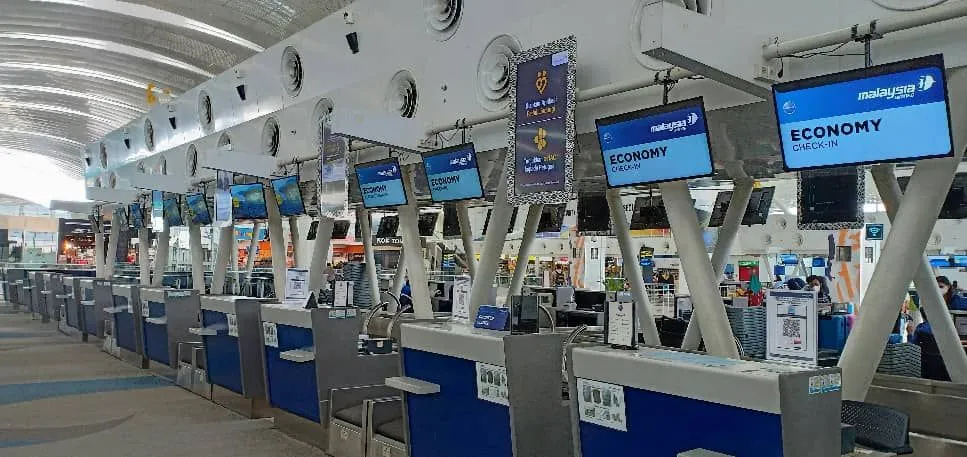
Image source: unsplash
Antom provides a unified payment solution that possesses all of the aforementioned characteristics and features. It is especially tailored for airlines and integrates local payment methods in over 200 markets and over 140 currencies. It also features smart routing and intuitive reconciliation tools to support airlines’ global payment operations.
Frequently Asked Questions
How can airlines reduce payment failures in international markets?
Airlines can improve payment performance by offering locally preferred payment methods, supporting transactions in local currencies, and using payment routing strategies that increase authorisation rates. A localised payment strategy can help airlines reduce friction during checkout and recover bookings that might otherwise be lost.
Why are local payment methods important for airlines expanding internationally?
Local payment methods help airlines align their checkout experience with customer expectations in different markets. Travellers are often more likely to complete a booking when they can pay using familiar and trusted payment options.
What should airlines look for in an airline payment solution?
Airlines should evaluate payment solutions based on their ability to support international growth. Key considerations include access to local payment methods, multi-currency processing, fraud prevention capabilities, payment orchestration, reconciliation tools, and support for cross-border compliance requirements.
Payment Preferences by Region
Market | Preferred Payment Methods |
United States | Cards, Apple Pay, Google Pay |
Thailand | PromptPay, cards |
Singapore | PayNow, cards, wallets |
Malaysia | DuitNow, cards, wallets |
Brazil | Pix, cards |
UAE | Digital wallets, cards |
Conclusion
For airlines, payment performance influences far more than transaction processing. It affects conversion rates, customer satisfaction, fraud exposure, operational efficiency, and international expansion efforts.
The challenge is particularly relevant for airlines serving customers across multiple regions. Every market brings different payment expectations, settlement requirements, and regulatory considerations. A checkout experience that performs well in one country may produce very different results in another.
As digital wallets, real-time payments, BNPL services, and regional payment networks gain traction, airlines have more opportunities to tailor payment experiences to local preferences. Those efforts can help reduce friction during checkout, improve authorisation rates, and create smoother booking journeys for customers worldwide.
For decades, airlines competed on routes, schedules, and loyalty programs. Increasingly, the next competitive advantage may not be found in the air at all. It may be found in the few seconds between a traveler clicking "Book Now" and seeing "Payment Successful."